

Emergency & Help
24/7 Emergency & General Advisory
🚨 24/7 Medical Emergency
Non-Emergency Advisory
10:00 AM – 6:00 PM, Mon–Sat
For appointments & general queries.
24/7 Emergency & General Advisory
🚨 24/7 Medical Emergency
Non-Emergency Advisory
10:00 AM – 6:00 PM, Mon–Sat
For appointments & general queries.
Explore the link between masturbation and weight loss. Understand the science, debunk myths, and get expert advice on sexual health and fitness.

Meena, 45, a homemaker from Jaipur, noticed a slight dip on the weighing scale after a period of increased self-pleasure. Confused and a little hopeful, she wondered if masturbation was the secret ingredient to her journey to shed pounds. This common query reflects a broader confusion surrounding intimate well-being and its bodily impacts.
Honestly, the idea that masturbation can lead to significant loss of body mass is a persistent myth, often fueled by anecdotal evidence and a misunderstanding of human physiology. While intimate acts, including masturbation, do involve bodily exertion and can burn a small number of calories, it's far from a potent strategy for reducing one's size. What most people miss is the scale of this caloric expenditure compared to daily energy needs or more structured exercise.
Think about it this way: a typical bout of masturbation might burn anywhere from 5 to 50 calories, depending on the intensity and duration. For context, a brisk walk for 30 minutes can burn upwards of 150-200 calories. Over 101 million Indians have diabetes (ICMR, 2023), and for many, managing body mass is a critical component of their overall welfare.
Relying on masturbation for calorie burning would require an impractical frequency and intensity to make any meaningful difference. The body's energy balance—calories in versus calories out—is a complex system, and while intimate acts play a minor role, diet and regular exercise are the dominant factors.
The numbers don't lie.
During masturbation, as with any bodily activity, your heart rate increases, muscles engage, and you expend energy. This physiological response is similar, albeit on a much smaller scale, to what happens during moderate exercise. The release of endorphins, often associated with pleasure and well-being, also contributes to the bodily sensations. However, quantifying this caloric burn precisely is challenging.
Factors like the duration of arousal, the intensity of bodily movements, and whether orgasm is achieved all play a role. 2 calories per minute on average, but masturbation statistics are less robust, generally estimated to be lower. This is a crucial distinction for anyone considering it as a fitness alternative.
In many cases, the perceived reduction in body mass associated with increased masturbation might be due to other concurrent lifestyle changes. Perhaps Meena also reduced her intake of sweets during festivals or became more active around the house. It's easy to attribute a positive change to a single factor when the reality is often multifactorial.
For example, the stress relief that can accompany intimate acts might indirectly influence body mass by reducing cortisol levels, a hormone linked to fat storage, particularly around the abdomen. However, this is an indirect effect, not a direct caloric burn.
Recovery is rarely linear.
The myth linking masturbation to loss of body mass is just one of many misconceptions surrounding intimate well-being. Historically, in many Indian communities, discussions about sex and sexuality were taboo, leading to a vacuum filled with misinformation. This can lead to undue anxiety and unhealthy practices.
For instance, some believe masturbation causes blindness or infertility, which are entirely unfounded claims lacking any scientific basis. The World Health Organization (WHO) emphasizes the importance of accurate intimate education to combat such myths.
What should you actually do? Seek reliable information from credible sources like healthcare professionals or established welfare organizations.
Understanding the facts empowers individuals to make informed decisions about their bodies and well-being. The International Diabetes Federation (IDF) highlights the importance of holistic welfare, which includes both bodily and mental well-being, and accurate information is central to in this.
The connection between orgasm and metabolism is another area ripe for misunderstanding. While the hormonal surges during orgasm can temporarily boost metabolism, the effect is fleeting and minimal in the grand scheme of body mass management. Think about it this way: the metabolic rate increase is comparable to the effect of standing up quickly after sitting for a long time.
It sounds simple. It rarely is.
It's a momentary spike, not a sustained change that would lead to meaningful fat loss. The primary drivers of metabolism remain muscle mass, age, genetics, and overall bodily engagement levels. Relying on intimate climax for metabolic enhancement is like trying to fill a swimming pool with a teaspoon.
For individuals aiming to lose body mass, focusing on sustainable habits is paramount. This includes a balanced diet, regular bodily engagement tailored to one's fitness level, and adequate sleep.
For example, incorporating regular yoga sessions or brisk walks, especially during pleasant weather like post-monsoon in many parts of India, can contribute significantly to calorie expenditure and overall welfare. Sitting on the floor for meals, typical in many Indian households, also involves more muscle engagement than sitting in a chair, contributing subtly to daily energy use.
Sometimes, the focus on masturbation as a tool for reducing body mass stems from deeper self-perception concerns or a desire for control over one's physical appearance. If Meena felt self-conscious about her body mass, she might have latched onto this idea as a quick fix.
The pressure to conform to societal beauty standards can be intense, and unfortunately, misinformation often thrives in such environments. It's crucial to foster a healthy relationship with one's body, recognizing that body mass is influenced by numerous factors beyond simple caloric expenditure from intimate acts.
Here's where it gets interesting.
So what does that mean for you? It means cultivating self-acceptance and seeking healthy, evidence-based strategies for body mass management.
If self-perception issues are a concern, speaking with a therapist or counselor can provide valuable support. The Lancet has published numerous studies emphasizing the link between mental welfare and bodily well-being, underscoring the need for a holistic approach.
While masturbation is a normal and healthy intimate behavior for many, excessive or compulsive intimate activity can sometimes be a sign of underlying psychological issues, such as anxiety, depression, or stress. If intimate acts, including masturbation, begins to interfere with daily life, responsibilities, or relationships, it's time to seek professional guidance.
Similarly, if reduction of body mass is a major concern, consulting a doctor or a registered dietitian is the most effective path. They can support create a personalized plan that addresses individual needs and welfare conditions, like the rising prevalence of metabolic syndrome in India.
Remember, the average Indian diet, while rich in certain nutrients, can also be high in carbohydrates and fats if not balanced properly, contributing to increased body mass. A healthcare professional can provide tailored advice, considering cultural dietary practices and lifestyle.
This is where most patients struggle.
For instance, understanding portion control for dishes like biryani or managing sugar intake during Diwali celebrations are practical steps that a professional can guide you on.
Always consult a qualified physician before making any medical decisions.
Visit Hospital
Near You
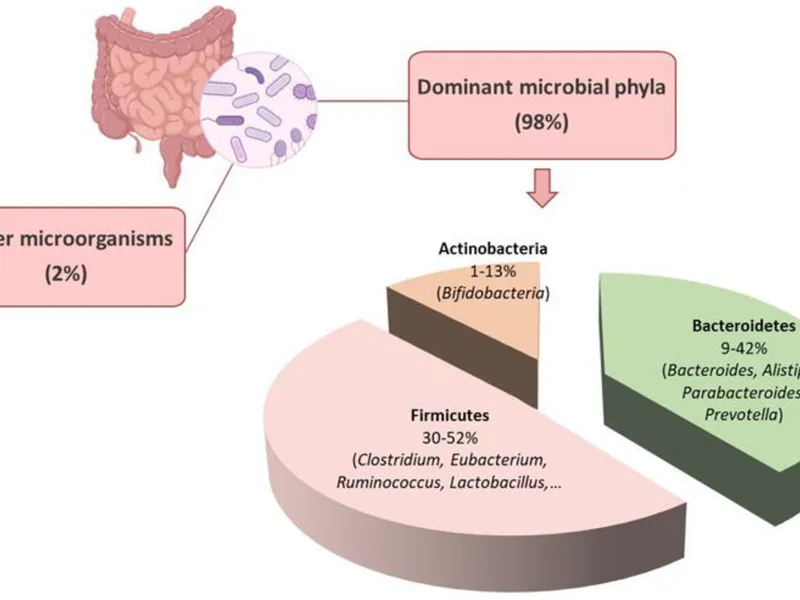
Scientists at the University of Cambridge tested 39 common sweeteners against 25 species of gut bacteria in the lab. About three-quarters of the sweeteners changed how at least one bacterial species grew, and effects got stronger — or weaker — when sweeteners were combined with medications, caffeine
July 23, 2026

Learn about safe skin tag removal in Kolkata, including causes, treatment options, recovery, risks, and when to consult a dermatologist.
May 20, 2026

Looking for corn removal in Kolkata? Learn about symptoms, causes, treatment options, recovery, and prevention tips for painful foot corns.
May 20, 2026