

Emergency & Help
24/7 Emergency & General Advisory
🚨 24/7 Medical Emergency
Non-Emergency Advisory
10:00 AM – 6:00 PM, Mon–Sat
For appointments & general queries.
24/7 Emergency & General Advisory
🚨 24/7 Medical Emergency
Non-Emergency Advisory
10:00 AM – 6:00 PM, Mon–Sat
For appointments & general queries.
Locate experienced MBBS doctors in Latehar. Understand their role, services, and how to find the best physician for your health needs.
An MBBS (Bachelor of Medicine, Bachelor of Surgery) practitioner forms the backbone of primary patient care. In Latehar, as in many parts of India, these physicians often serve as the initial point of contact for individuals seeking clinical attention. They deliver essential diagnostic, therapeutic, and preventive services to people of all ages.
Securing a dependable MBBS clinician is vital for maintaining family well-being. Their expertise, in reality, spans a broad spectrum of common illnesses and wellness concerns.
Consider this scenario: when a fever, cough, or minor injury occurs, the primary point of contact is typically an MBBS practitioner. These professionals possess the foundational knowledge to assess an ailment, prescribe suitable medication, and recommend necessary lifestyle adjustments.
They are trained to manage many kinds of clinical issues before they escalate.
MBBS practitioners in Latehar provide a variety of crucial services:
Beyond simply treating sickness, their function involves proactively fostering well-being throughout the community. They are instrumental in managing long-term disorders, ensuring individuals with ongoing challenges receive consistent support and attention.
For instance, a patient with diabetes requires regular check-ups and guidance, which an MBBS clinician effectively provides.
The clinical infrastructure in Latehar encompasses various establishments where MBBS practitioners operate. Individual clinics, alongside more extensive patient care centers, comprise these options.
Many of these facilities are equipped for routine check-ups, minor surgical procedures, and urgent consultations. The availability of such centers guarantees residents access to timely clinical support.
This is where most those affected struggle.
Through programs such as the National Health Mission, the Indian government endeavors to bolster foundational clinical facilities, even in remote locales. This initiative aims to make quality patient services accessible to all, including those in districts like Latehar.
According to the National Health Profile (2020), India maintains a significant number of basic care facilities, working to bridge the urban-rural service disparity.
Several crucial steps are involved in identifying a reliable MBBS practitioner within the district. Word-of-mouth recommendations from friends and family offer a good starting point.
Many individuals place trust in suggestions from their personal network. Additionally, online patient service directories like Doctar allow searches for physicians based on qualifications, experience, and patient reviews.
Prospective individuals should evaluate a clinician's background concerning their particular well-being issues. Some practitioners may possess a specific interest or supplementary training in fields like pediatrics or general medicine. Reading patient testimonials can offer insights into a professional's approach and bedside manner.
Trust is paramount. It’s vital to find someone you feel comfortable with and can confide in.
Selecting a practitioner extends beyond mere geographical convenience. The capacity of an MBBS clinician to build rapport with sufferers is key. This connection facilitates superior communication and adherence to therapy plans. people who trust their clinician are often more likely to follow clinical guidance, leading to improved well-being.
That's the part worth remembering.
For early disease identification and prevention, consistent wellness examinations with your selected MBBS practitioner are crucial. Many serious ailments, such as certain cancers and cardiac diseases, exhibit no obvious signs in their initial stages.
Early detection, often through routine screenings recommended by your clinician, significantly increases the chances of successful therapy. For example, identifying pre-diabetes allows for lifestyle interventions to prevent full-blown diabetes, a disorder affecting over 77 million people in India (IDF, 2023).
Consider this analogy: a car requires regular servicing to run smoothly; your body is no different. Preventive care enables your MBBS clinician to monitor your well-being indicators, identify potential risks, and intervene proactively. This approach offers far greater benefit than waiting until an ailment becomes severe.
Prevention is key. The World Health Organization (WHO) strongly advocates for regular wellness examinations as a cornerstone of public well-being strategy.
Although general practitioners offer superior primary care, some well-being challenges necessitate specialist proficiency. If your MBBS clinician identifies an ailment requiring advanced diagnosis or therapy, a referral to an appropriate specialist will be provided.
And yet, so many people miss it.
This might include cardiologists for cardiac issues, dermatologists for skin concerns, or pediatricians for children's specific needs. The referral process ensures those affected receive the most suitable attention for their particular requirements.
A collaborative methodology, involving primary practitioners and specialists, represents a global standard. This ensures individuals benefit from many kinds of clinical expertise.
For instance, if a patient presents with persistent breathing difficulties, their referring practitioner might direct them to a pulmonologist for further investigation. Such coordinated attention is essential for effectively managing complex clinical disorders.
Coping with long-term ailments such as diabetes, hypertension, or arthritis presents notable challenges. These disorders demand ongoing management and lifestyle adjustments. Your MBBS primary care provider makes a real difference in supporting you through this journey.
They assist in creating personalized management plans, monitoring progress, and adjusting therapies as needed. This consistent support is vital for maintaining a good quality of life.
Beyond mere pharmacotherapy, effective management of a persistent disorder necessitates a broader approach. It requires understanding the illness, making dietary changes, and engaging in regular physical activity.
Most people overlook this completely.
Your practitioner provides the guidance and encouragement needed to navigate these challenges successfully. For example, regular monitoring of blood glucose levels, as advised by a clinician, helps prevent complications associated with diabetes.
Telemedicine has recently surfaced as a valuable mechanism for accessing patient services, particularly within districts such as Latehar. Teleconsultations enable sufferers to connect with MBBS practitioners remotely, receiving clinical guidance and prescriptions without needing to travel.
This proves especially beneficial for follow-up appointments or for individuals with mobility issues. The Indian government has been promoting telemedicine services to improve access to care across the country.
Despite the convenience telemedicine provides, its inherent limitations must be acknowledged. For physical examinations or emergency situations, an in-person visit to your clinician remains indispensable.
It sounds simple. It rarely is.
The ICMR (Indian Council of Medical Research) guidelines emphasize the appropriate use of telemedicine as a supplement, not a replacement, for traditional care. This blended approach significantly strengthens service provision.
Establishing and maintaining a relationship with a qualified MBBS practitioner in the region is a fundamental aspect of ensuring your well-being and that of your loved ones. These clinicians are your first line of defense against illness and your partners in promoting lifelong wellness.
They are essential. They offer accessible, reliable care for many kinds of well-being requirements.
Each individual's well-being trajectory is distinct. An MBBS practitioner provides the foundational expertise and support necessary to navigate it effectively.
By prioritizing regular wellness examinations and open communication, you can build a strong partnership that enhances your overall quality of life. Embrace proactive patient care – it’s the most reliable path to improved well-being.
Yes, absolutely. An MBBS practitioner is the most appropriate clinician to consult for widespread symptoms like fever. They can diagnose the cause and prescribe the necessary therapy or recommend further tests if needed.
And yet, so many people miss it.
You can ask for recommendations from local acquaintances or use online patient service directories like Doctar. These platforms often provide clinician profiles, patient reviews, and service details, helping you make an informed choice.
MBBS practitioners are trained to manage many kinds of clinical situations, including initial emergency care. For severe emergencies, they will stabilize the patient and facilitate transfer to a higher-level facility if required.
An MBBS practitioner has a general clinical qualification and can treat a broad spectrum of ailments. A specialist has further training and certification in a specific clinical field, like cardiology or neurology, and handles more complex or specific cases referred by a general practitioner.
Always consult a qualified clinician before making medical decisions.Visit Hospital
Near You
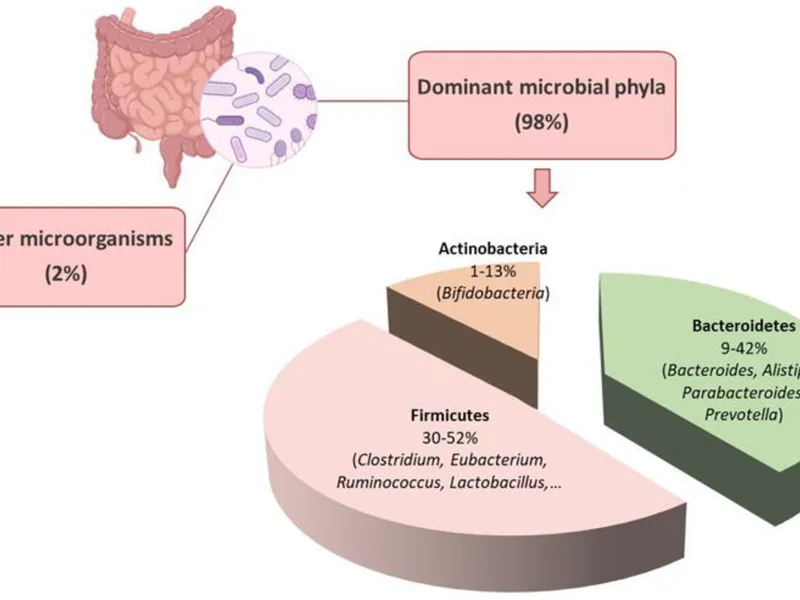
Scientists at the University of Cambridge tested 39 common sweeteners against 25 species of gut bacteria in the lab. About three-quarters of the sweeteners changed how at least one bacterial species grew, and effects got stronger — or weaker — when sweeteners were combined with medications, caffeine
July 23, 2026

Learn about safe skin tag removal in Kolkata, including causes, treatment options, recovery, risks, and when to consult a dermatologist.
May 20, 2026

Looking for corn removal in Kolkata? Learn about symptoms, causes, treatment options, recovery, and prevention tips for painful foot corns.
May 20, 2026