

Emergency & Help
24/7 Emergency & General Advisory
🚨 24/7 Medical Emergency
Non-Emergency Advisory
10:00 AM – 6:00 PM, Mon–Sat
For appointments & general queries.
24/7 Emergency & General Advisory
🚨 24/7 Medical Emergency
Non-Emergency Advisory
10:00 AM – 6:00 PM, Mon–Sat
For appointments & general queries.
Explore normal platelet count ranges, causes, symptoms, and management of thrombocytosis and thrombocytopenia in India. Get expert insights.
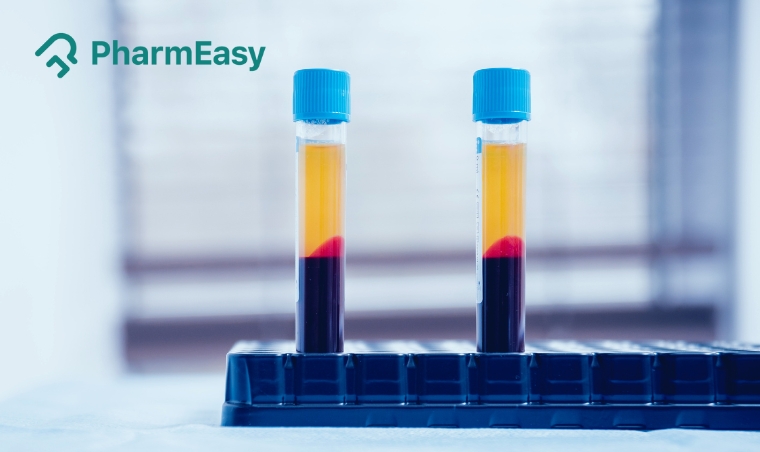
Meena, 45, a homemaker from Jaipur, noticed unusual bruising on her arms after a minor fall. Initially, she dismissed it as part of aging, but the persistent nature of the marks worried her.
A routine blood test revealed her thrombocyte level was significantly lower than normal. This common scenario highlights the critical role these small cell fragments play in our well-being and the importance of understanding what constitutes a typical thrombocyte level.
These cell fragments, also known as thrombocytes, are tiny, irregular-shaped components produced in the bone marrow. They are essential for coagulation, a vital process that stops bleeding when a blood vessel is injured.
When you cut yourself, these fragments rush to the site, clump together, and form a plug to seal the wound. Without adequate numbers, even minor injuries could lead to excessive hemorrhage.
So what does that mean for you? Understanding your thrombocyte level can offer crucial insights into your overall physical condition and potentially flag underlying medical issues.
A normal thrombocyte level typically ranges from 150,000 to 450,000 fragments per microliter (µL) of circulating fluid. This range can vary slightly between different laboratories, but it serves as a general benchmark. Your doctor will interpret your results within this context, considering your individual physical concern and medical history.
In India, where lifestyle factors and genetic predispositions can influence circulatory parameters, maintaining awareness of these ranges is particularly important. What most people miss: this number isn't static; it can fluctuate due to various internal and external factors.
That's the part worth remembering.
When your thrombocyte level falls below 150,000 fragments/µL, it's termed thrombocytopenia. This problem can range from mild, with few noticeable symptoms, to severe, posing a significant physical risk.
The reasons behind diminished thrombocyte levels are diverse. They can stem from insufficient fragment production, increased destruction of fragments, or their pooling in the spleen.
Honestly, identifying the precise cause is the first step toward effective management. Without this, treatment can be a shot in the dark.
The warning signs of thrombocytopenia often depend on the severity of the drop in fragment levels. Mild cases might be asymptomatic. However, as levels decrease, individuals may experience:
The appearance of petechiae is particularly concerning as it indicates bleeding under the skin. But why does this happen? It signifies that capillaries are leaking due to insufficient fragment support for the vessel walls.
A complete circulatory fluid analysis (CBC) is the primary test to diagnose thrombocytopenia. Further investigations, including peripheral fluid smear analysis, bone marrow biopsy, and antibody testing, may be required to determine the underlying cause.
Management strategies vary widely based on the cause and severity. For mild cases, observation might suffice.
Living with a low fragment level requires careful lifestyle adjustments. Avoiding activities with a high possibility of injury and being mindful of medications that can affect fragment function (like NSAIDs) are crucial.
Recovery is rarely linear.
For many in India, avoiding activities like sitting on the floor for extended periods during festivals might be necessary if they increase the likelihood of falls or bumps.
A fragment level exceeding 450,000 fragments/µL is known as thrombocytosis. This problem is less frequent than thrombocytopenia but can also carry meaningful physical implications, primarily related to an increased chance of circulatory blockages.
Thrombocytosis is broadly classified into two types: reactive (secondary) and essential (primary).
Worth knowing: Reactive thrombocytosis often resolves once the underlying problem is treated, whereas essential thrombocythemia requires ongoing medical care.
warning signs of thrombocytosis can be subtle or absent, especially in reactive cases. When manifestations do occur, they are often related to the increased possibility of circulatory blockages (thrombosis) or, less commonly, bleeding.
So what does that mean for you? If you experience these manifestations, especially in combination, it warrants immediate medical attention to rule out clotting issues.
A CBC test confirms thrombocytosis. Distinguishing between reactive and essential thrombocytosis is crucial and involves further tests such as fluid smear analysis, genetic testing for mutations like JAK2, and sometimes a bone marrow biopsy. Management depends on the type and the patient's likelihood factors for clotting.
Regular monitoring is key. Doctors track fragment levels and look for signs of thrombosis or bleeding complications. The International Diabetes Federation (IDF) also notes that diabetes can be associated with fragment abnormalities, underscoring the need for holistic physical problem management.
Recovery is rarely linear.
Your fragment level is more than just a number; it's a vital indicator of your body's ability to heal and function properly. Both too few and too many fragments can signal serious underlying issues.
In India, where access to healthcare varies, understanding basic physical parameters like fragment levels empowers individuals to seek timely medical advice. Factors like diet, hydration, and stress can influence circulatory well-being, making a balanced lifestyle essential.
For example, traditional diets rich in lentils and vegetables can support overall circulatory well-being, but specific deficiencies can still arise.
But why does this happen? Our bodies are complex systems, and disruptions in one area, like bone marrow function or immune response, can cascade and affect parameters like fragment levels.
The latest research published in journals like The Lancet often explores the intricate relationship between fragment function and various diseases, from cardiovascular conditions to inflammatory disorders. Keeping abreast of such findings, even at a high level, can foster a proactive approach to well-being.
Always consult a qualified physician before making any medical decisions.
Visit Hospital
Near You

Scientists at the University of Cambridge tested 39 common sweeteners against 25 species of gut bacteria in the lab. About three-quarters of the sweeteners changed how at least one bacterial species grew, and effects got stronger — or weaker — when sweeteners were combined with medications, caffeine
July 23, 2026

Learn about safe skin tag removal in Kolkata, including causes, treatment options, recovery, risks, and when to consult a dermatologist.
May 20, 2026

Looking for corn removal in Kolkata? Learn about symptoms, causes, treatment options, recovery, and prevention tips for painful foot corns.
May 20, 2026