

Emergency & Help
24/7 Emergency & General Advisory
🚨 24/7 Medical Emergency
Non-Emergency Advisory
10:00 AM – 6:00 PM, Mon–Sat
For appointments & general queries.
24/7 Emergency & General Advisory
🚨 24/7 Medical Emergency
Non-Emergency Advisory
10:00 AM – 6:00 PM, Mon–Sat
For appointments & general queries.
Find expert nutrition advice in Godda. Learn how specialists help manage health conditions and improve your well-being.
Navigating the complex relationship between food and well-being can prove challenging. Many individuals in Godda seek guidance to refine their eating patterns for superior well-being. An eating plan expert, frequently called a dietitian or nutritionist, makes a real difference in this process. These professionals deliver evidence-based food recommendations customized to individual requirements.
Across India, demand for specific food-related care is increasing. Conditions such as diabetes, hypertension (high blood pressure), and cardiovascular diseases are common. For example, India reports 77 million people living with diabetes (IDF, 2023).
Appropriate food intake forms a cornerstone of managing these chronic illnesses. A qualified professional assists individuals in comprehending how food affects their bodies, empowering them to make informed choices.
The expertise of a food adviser extends beyond mere meal planning. These practitioners possess deep understanding of biochemistry, physiology, and the intricate connection between nutrients and disease.
This knowledge enables them to develop individualized plans that are not only beneficial but also practical and sustainable for the people they serve.
Certain life stages and medical conditions necessitate consulting a food and wellness professional. Your physician might suggest it, or you could proactively seek their assistance.
In practical terms, seeking this professional assistance can prevent complications and significantly elevate your quality of life. Living with a chronic condition is genuinely challenging, and tailored food support can make a substantial impact.
And yet, so many people miss it.
A registered dietitian or certified nutritionist undergoes stringent training. Their education typically involves a bachelor's or master's degree in the science of food and eating. Many pursue additional specialization and certifications.
These practitioners are trained to understand the science underpinning food. This encompasses macronutrients (carbohydrates, proteins, fats), micronutrients (vitamins, minerals), and their metabolic roles. They also study food composition, cooking techniques, and how these factors influence nutrient availability.
Their approach is holistic. They consider your medical background, lifestyle, food preferences, and cultural context. This consideration ensures the eating plan is realistic and enjoyable. A plan that you can genuinely adhere to proves far more effective than a theoretically perfect one.
The process commences with a comprehensive assessment. The professional will likely inquire about:
Based on this information, they construct a detailed strategy. This might include:
This provides a clear, actionable roadmap for achieving your well-being objectives. Such structured support helps eliminate guesswork and fosters consistent progress.
Locating a reliable food and wellness professional in Godda involves a few essential steps. You can begin by requesting a referral from your primary care physician. Many hospitals and clinics maintain lists of trusted dietitians.
And yet, so many people miss it.
Online directories and healthcare platforms, such as Doctar, also serve as valuable resources. These platforms frequently feature profiles of experts, detailing their qualifications, experience, and patient feedback. Look for credentials like RD (Registered Dietitian) or equivalent certifications recognized within India.
Consider their area of concentration. If you have a particular concern like diabetes or require prenatal eating advice, find someone with pertinent experience. Verifying their affiliation with reputable institutions (e.g., practicing at or trained by AIIMS) can further enhance their credibility.
Your initial consultation will likely involve an in-depth discussion concerning your well-being and eating habits. The professional will evaluate your needs and begin formulating a plan. Subsequent sessions concentrate on tracking your progress, addressing any difficulties, and making necessary adjustments to the plan.
Remember, cultivating a healthier relationship with food is a journey. It demands patience, consistency, and the correct guidance. A competent professional serves as your partner and educator throughout this entire process.
And yet, so many people miss it.
The advantages of collaborating with a food and well-being professional are numerous. They assist you in achieving specific well-being goals more efficiently and effectively.
Expert guidance leads to superior management of chronic diseases. For instance, adherence to a medically supervised eating plan can significantly decrease hospital readmissions for heart failure patients.
The WHO underscores the critical role of diet in preventing non-communicable diseases, which account for a substantial proportion of deaths in India.
You acquire knowledge about which foods support your body and which might impede it. This empowers you to implement sustainable lifestyle adjustments. Learning to distinguish between nutrient-dense foods and empty calories is a fundamental skill.
Unlike generic recommendations found online, expert plans are tailored to your unique physiology and circumstances. This customization boosts adherence and long-term success. A plan that integrates seamlessly into your life is the only one that truly works.
While an initial investment is involved, preventing diet-related illnesses can save considerable healthcare expenses over time. Investing in preventive well-being through appropriate food choices is frequently more economical than treating advanced diseases.
And yet, so many people miss it.
For example, managing pre-diabetes through diet can avert the onset of Type 2 diabetes, a concern demanding lifelong management.
The realm of food intake is full of misinformation. A professional helps navigate through this noise.
Understanding these distinctions is crucial for making sound food choices. Relying on scientific evidence over fleeting trends ensures a healthier trajectory.
The gut-brain axis represents a fascinating area of investigation. Emerging evidence suggests a robust connection between diet and mental well-being. Nutrients play a part in neurotransmitter synthesis and function.
A balanced diet, rich in fruits, vegetables, and omega-3 fatty acids, may aid support mood regulation. Conversely, diets high in processed foods and sugar have been linked to an increased risk of depression and anxiety.
The National Institute of Mental Health (NIMH) acknowledges the influence of lifestyle factors, including diet, on mental well-being.
This underscores the importance of viewing food intake not solely for physical well-being but for overall vitality. Consulting an expert can aid in incorporating these food considerations into your well-being plan.
As awareness about preventive well-being grows, the role of food and well-being professionals in Godda will likely expand. Telehealth services are also rendering expert advice more accessible, bridging geographical divides.
It sounds simple. It rarely is.
Innovations in personalized food guidance, based on genetic and metabolic profiles, may offer even more customized solutions in the future.
The emphasis is shifting towards empowering individuals with knowledge. The objective is to cultivate long-term positive eating patterns rather than promoting temporary diets. This proactive approach to well-being is vital for fostering a healthier community.
Yes, individuals with diabetes can eat rice, but portion control and the type of rice are crucial. Opt for brown rice or other whole grains more often, as they have a lower glycemic index and provide more fiber. Monitor your blood sugar levels after eating rice to be aware of its impact on you.
While the terms are frequently used interchangeably, a dietitian typically holds a formal degree in food science and eating and is often registered or licensed. A nutritionist's qualifications can vary more widely, and 'nutritionist' is not always a protected title.
In India, seeking a registered dietitian ensures a standardized level of expertise.
Water is essential for numerous bodily functions, including nutrient transport, temperature regulation, and waste removal. Adequate fluid intake supports metabolism and can even enable manage appetite. Aim for sufficient fluid intake daily, tailored to your activity level and climate.
That alone changes everything.
Absolutely. Food and well-being professionals are experts in optimizing diet for overall vitality, energy levels, and disease prevention. They can assist you develop a balanced eating pattern that supports your energy needs, enhances mood, and strengthens your immune system, even if you do not have a specific medical disorder.
Visit Hospital
Near You
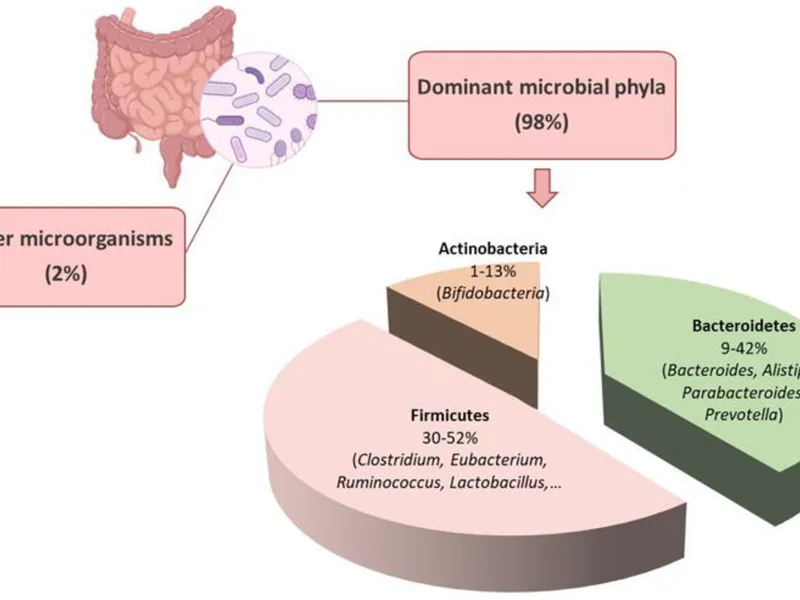
Scientists at the University of Cambridge tested 39 common sweeteners against 25 species of gut bacteria in the lab. About three-quarters of the sweeteners changed how at least one bacterial species grew, and effects got stronger — or weaker — when sweeteners were combined with medications, caffeine
July 23, 2026

Learn about safe skin tag removal in Kolkata, including causes, treatment options, recovery, risks, and when to consult a dermatologist.
May 20, 2026

Looking for corn removal in Kolkata? Learn about symptoms, causes, treatment options, recovery, and prevention tips for painful foot corns.
May 20, 2026