

Emergency & Help
24/7 Emergency & General Advisory
🚨 24/7 Medical Emergency
Non-Emergency Advisory
10:00 AM – 6:00 PM, Mon–Sat
For appointments & general queries.
24/7 Emergency & General Advisory
🚨 24/7 Medical Emergency
Non-Emergency Advisory
10:00 AM – 6:00 PM, Mon–Sat
For appointments & general queries.
Find top OPD clinics in Begusarai for your healthcare needs. Learn about services, specialist access, and choosing the right clinic.
An Outpatient Department (OPD) clinic serves as a cornerstone of accessible healthcare, offering initial consultations and non-emergency medical care. In Begusarai, these clinics provide vital services, ensuring that people can receive timely medical advice and treatment without requiring hospital admission.
You'll notice that these facilities are designed for convenience, allowing individuals to visit, receive care, and return home the same day. This model is crucial for managing everyday health concerns and preventing minor issues from escalating.
Honestly, the importance of a well-functioning OPD cannot be overstated, especially in a city like Begusarai. They act as the first point of contact for many health-related queries, bridging the gap between the community and more specialized medical interventions.
The presence of numerous OPDs throughout the district ensures that geographical barriers to healthcare are minimized.
OPD clinics in Begusarai offer a broad spectrum of services tailored to meet diverse health needs. These include:
General physicians, or family doctors, are the backbone of any OPD. They are skilled in diagnosing and treating many kinds of ailments. In real-world terms, they are your go-to medical professionals for most non-emergency health issues.
It sounds simple. It rarely is.
They conduct initial assessments, provide therapy for prevalent conditions, and crucially, identify when a patient needs to see a specialist. Their broad knowledge base allows them to manage complex cases and coordinate care effectively.
While OPDs offer general care, they also serve as gateways to specialized medical expertise. For instance, if a person experiences persistent chest pain, the OPD physician might conduct an initial ECG and refer them to a cardiologist. Similarly, concerns regarding child health are addressed by paediatricians available for consultation.
This structured approach ensures that patients receive the right care from the right specialist, preventing delays and improving outcomes. How serious is this really? It’s vital for conditions that could worsen without timely expert attention.
Selecting an appropriate OPD clinic is a personal decision, influenced by several factors. Consider the following:
You'll notice that a clinic’s reputation often stems from its ability to provide consistent, compassionate care. This involves not just medical proficiency but also effective communication between the physician and the patient.
Here's where it gets interesting.
When selecting a clinic, don't hesitate to ask questions. Inquire about the healthcare providers' qualifications, the typical waiting times, and the process for referrals. A transparent clinic will readily provide this information, fostering trust.
Regular visits to an OPD clinic are fundamental for maintaining good health and detecting potential issues early. For individuals managing chronic conditions like diabetes or hypertension (high blood pressure), consistent follow-ups are essential. Physicians monitor the problem, adjust medication, and provide guidance on lifestyle changes.
These check-ups are not just about treating illness; they are about promoting wellness and preventing future health problems. The WHO guidelines emphasize the role of primary care in population health.
In many cases, early detection through routine OPD visits can significantly alter the course of a disease. For instance, identifying pre-diabetes allows for interventions that may prevent the onset of full-blown diabetes. This proactive approach strengthens the individual's long-term health prospects.
Here's where it gets interesting.
Preventive care is a key function of OPDs. This includes screenings, vaccinations, and health counselling. By engaging in regular health check-ups, people affected by potential health risks can take informed steps to mitigate them.
Think of it like regular servicing for your car; it prevents major breakdowns. This philosophy is central to modern healthcare, as championed by institutions like the Indian Council of Medical Research (ICMR).
Begusarai boasts a growing number of OPD clinics catering to the health needs of its residents. From established hospitals with dedicated OPD blocks to smaller, independent clinics, the options are diverse. Many of these facilities are equipped to handle a variety of medical situations, ensuring that quality healthcare is within reach.
Living with this is genuinely hard, especially when facing health uncertainties. However, knowing that reliable medical support is available locally can provide significant peace of mind. The presence of these clinics empowers individuals to take charge of their health journey.
Most people overlook this completely.
The landscape of healthcare is constantly evolving. We often see OPDs incorporating newer technologies and embracing telemedicine to extend their reach. This means that even individuals in remote areas might soon have easier access to specialist consultations.
The focus remains on making healthcare more accessible, affordable, and patient-centric. Collaborations with larger medical bodies, such as those often seen with AIIMS outreach programs, could further enhance the quality of care.
Patient Experience Matters
A positive patient experience hinges on several factors. This includes the empathy shown by the medical staff, the clarity of communication regarding diagnosis and intervention plans, and the overall comfort of the clinic environment.
In my observation, clinics that prioritize these aspects tend to build stronger relationships with the community they serve. A patient recently shared how a simple, kind word from the nurse before a procedure significantly eased their anxiety – a small gesture with a big impact.
And yet, so many people miss it.
Evidence-Based Practices
Reliable medical care is grounded in evidence-based practices. This means treatments and diagnostic approaches are based on robust scientific research and clinical trials, often published in reputable journals like The Lancet.
Physicians in Begusarai's OPDs strive to adhere to these standards, ensuring that the care provided is both safe and impactful. This commitment to quality is vital for building public trust in the healthcare system.
OPD stands for Outpatient Department, where individuals receive consultation and therapy without being admitted to the hospital. IPD, or Inpatient Department, is for those affected who require hospitalization for more intensive care or procedures.
Yes, most OPD clinics offer general health check-ups. These are crucial for early detection of potential health issues and preventive care. It's advisable to schedule these regularly as per your doctor's recommendation.
That's the part worth remembering.
Look for clinicians with relevant qualifications and experience in your area of concern. Reading patient reviews and seeking recommendations can also help. Don't hesitate to ask the clinic staff about the physicians' specializations.
Coverage varies depending on your health insurance policy. Many policies cover OPD consultations and treatments, but it's essential to check the specific terms and conditions with your insurance provider.
Always consult a qualified physician before making medical decisions.Visit Hospital
Near You
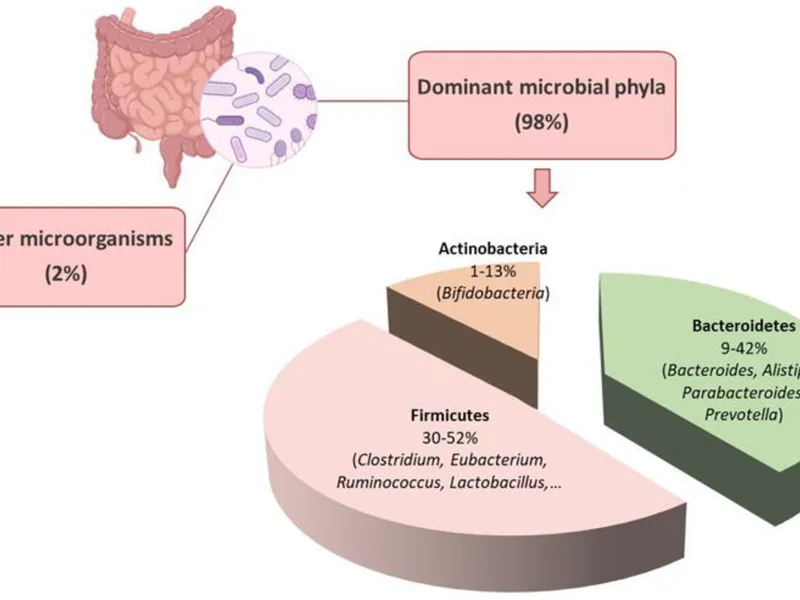
Scientists at the University of Cambridge tested 39 common sweeteners against 25 species of gut bacteria in the lab. About three-quarters of the sweeteners changed how at least one bacterial species grew, and effects got stronger — or weaker — when sweeteners were combined with medications, caffeine
July 23, 2026

Learn about safe skin tag removal in Kolkata, including causes, treatment options, recovery, risks, and when to consult a dermatologist.
May 20, 2026
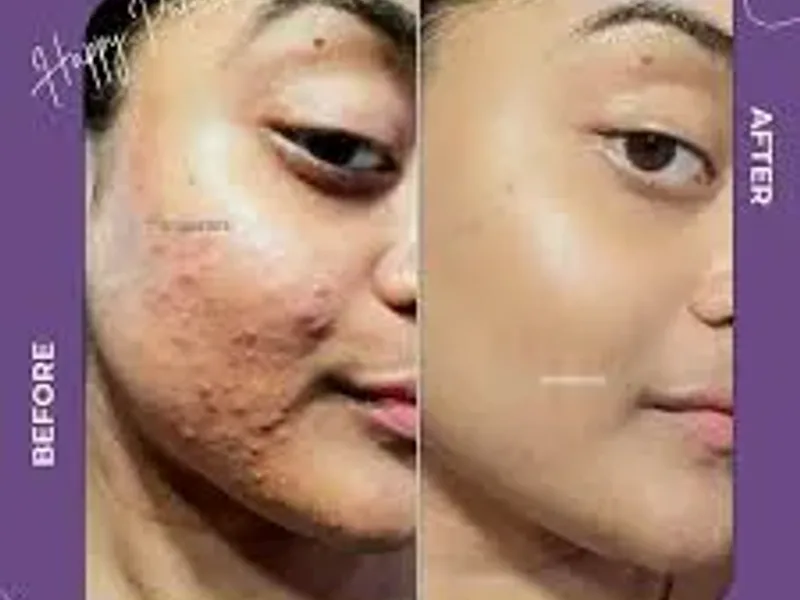
Looking for corn removal in Kolkata? Learn about symptoms, causes, treatment options, recovery, and prevention tips for painful foot corns.
May 20, 2026