

Emergency & Help
24/7 Emergency & General Advisory
🚨 24/7 Medical Emergency
Non-Emergency Advisory
10:00 AM – 6:00 PM, Mon–Sat
For appointments & general queries.
24/7 Emergency & General Advisory
🚨 24/7 Medical Emergency
Non-Emergency Advisory
10:00 AM – 6:00 PM, Mon–Sat
For appointments & general queries.
Learn about post surgical scar treatment in Kolkata, including laser therapy, creams, and advanced dermatology care for smoother skin recovery.

Scars develop when the skin repairs itself after surgery, cuts, burns, or trauma. The body produces collagen to heal the damaged tissue, which may create visible marks on the skin.
Common types of post surgical scars include:
• Flat scars that slowly fade with time
• Hypertrophic scars that appear raised and thick
• Keloid scars that grow beyond the wound area
• Contracture scars that tighten the skin
• Pigmented scars with darker or lighter skin tone
The appearance of a scar depends on several factors, including skin type, genetics, wound healing, and post-operative care.
Some scars heal better than others. Certain conditions can increase the chance of developing thick or noticeable scars after surgery.
Important risk factors include:
• Delayed wound healing
• Infection after surgery
• Excessive tension on the wound
• Family history of keloids
• Darker skin tone with higher keloid risk
• Smoking and poor nutrition
• Diabetes or chronic illness
• Sun exposure during healing
Proper wound care during the first few weeks after surgery can reduce scar formation and improve long-term skin healing.
Not every scar requires medical treatment. However, some scars can cause discomfort or cosmetic concerns that may benefit from professional care.
You may consider consulting a dermatologist if the scar is:
• Raised, thick, or expanding
• Painful or itchy
• Darkly pigmented or red
• Limiting movement near joints
• Uneven in texture
• Affecting self-confidence or appearance
Early treatment often provides better results, especially for fresh hypertrophic or keloid scars.
Dermatology clinics in Kolkata offer multiple scar management procedures depending on scar type, skin condition, and medical history. A dermatologist usually examines the scar before recommending treatment.
Laser therapy is commonly used to improve scar color, thickness, and texture. It works by targeting damaged skin layers and stimulating collagen remodeling.
Benefits of laser scar treatment include:
• Reduced redness and pigmentation
• Improved skin smoothness
• Better scar blending with surrounding skin
• Minimal downtime in many cases
Multiple sessions may be required for visible improvement.
Silicone-based gels and sheets are widely recommended for fresh scars. These products help maintain hydration and reduce abnormal scar formation.
Doctors may suggest:
• Silicone sheets for raised scars
• Medicated scar creams
• Sunscreen to prevent pigmentation
• Moisturizers for skin repair
Consistent use is important for effective results.
Steroid injections are commonly used for keloids and thick hypertrophic scars. They help reduce inflammation and flatten raised tissue over time.
This treatment may help with:
• Scar thickening
• Itching and discomfort
• Redness and swelling
Sessions are usually spaced a few weeks apart depending on response.
Microneedling creates tiny controlled skin injuries that stimulate collagen production. Platelet-Rich Plasma (PRP) may also be combined to support healing.
Potential benefits include:
• Improved scar texture
• Better skin elasticity
• Reduction in uneven skin surface
These procedures are generally performed under professional supervision.
In severe cases, scar revision surgery may be considered. This procedure removes or repositions the old scar to improve appearance.
Scar revision may be advised for:
• Large scars
• Contracture scars
• Poorly healed surgical wounds
A qualified plastic surgeon or dermatologist can guide patients regarding suitability and recovery expectations.
Good aftercare can support healthier skin healing and reduce scar visibility after surgery.
Helpful scar care tips include:
• Keep the wound clean and protected
• Follow your surgeon’s instructions carefully
• Avoid scratching or picking the scar
• Use sunscreen on healing skin
• Stay hydrated and eat a balanced diet
• Avoid smoking during recovery
Early medical advice is recommended if redness, swelling, or infection develops.
Selecting an experienced dermatologist is important for safe and personalized scar treatment. Clinics offering advanced laser technology and evidence-based procedures may provide better care options.
While choosing a clinic, consider:
• Dermatologist qualifications and experience
• Availability of modern treatment methods
• Patient reviews and consultation process
• Hygiene and safety standards
• Transparent treatment guidance
A proper skin assessment helps determine the most suitable approach for each patient.
How long does it take for surgical scars to fade?
Most surgical scars improve gradually over 6–18 months. However, complete fading depends on scar type, skin healing, and treatment.
Is laser scar treatment painful?
Laser treatment may cause mild discomfort, but many procedures use cooling systems or numbing creams to improve comfort.
Can old surgical scars be treated?
Yes. Older scars can often be improved with laser therapy, microneedling, steroid injections, or scar revision procedures.
Are scar removal creams effective?
Scar creams may help improve mild or fresh scars, especially when used consistently. Severe scars often require medical treatment.
Can keloid scars return after treatment?
Keloids may recur in some cases. Dermatologists often combine treatments to lower recurrence risk.
Post surgical scars are common, but modern dermatology treatments can help improve their appearance and texture. From silicone therapy and laser treatment to microneedling and scar revision procedures, several evidence-based options are available in Kolkata.
Early consultation with a qualified dermatologist can help identify the best treatment plan based on the scar type, skin condition, and recovery goals. Safe scar management focuses on gradual improvement, realistic expectations, and long-term skin health.
Author: Doctar Team
Visit Hospital
Near You
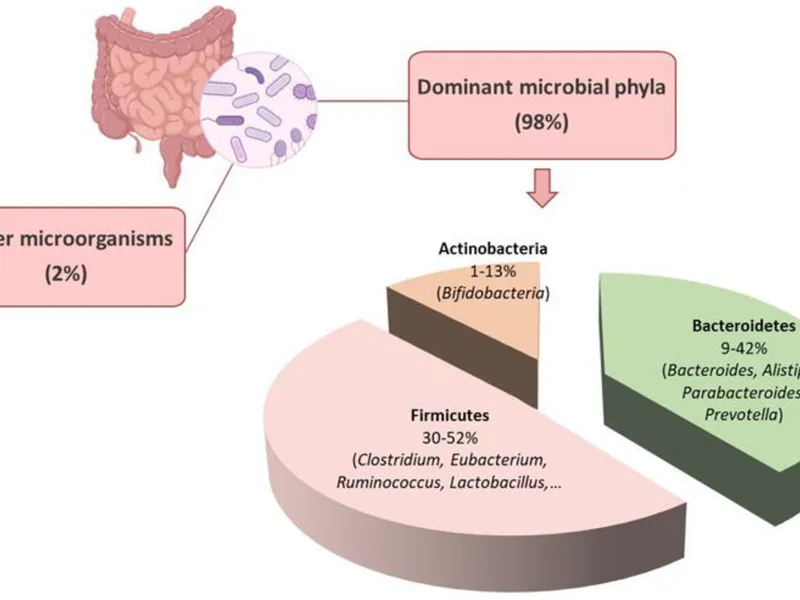
Scientists at the University of Cambridge tested 39 common sweeteners against 25 species of gut bacteria in the lab. About three-quarters of the sweeteners changed how at least one bacterial species grew, and effects got stronger — or weaker — when sweeteners were combined with medications, caffeine
July 23, 2026

Learn about safe skin tag removal in Kolkata, including causes, treatment options, recovery, risks, and when to consult a dermatologist.
May 20, 2026
Looking for corn removal in Kolkata? Learn about symptoms, causes, treatment options, recovery, and prevention tips for painful foot corns.
May 20, 2026