

Emergency & Help
24/7 Emergency & General Advisory
🚨 24/7 Medical Emergency
Non-Emergency Advisory
10:00 AM – 6:00 PM, Mon–Sat
For appointments & general queries.
24/7 Emergency & General Advisory
🚨 24/7 Medical Emergency
Non-Emergency Advisory
10:00 AM – 6:00 PM, Mon–Sat
For appointments & general queries.
Find specialized sexual disorder clinics in Maheshtala offering discreet, expert care. Improve your intimate health and relationships.
Intimate well-being forms a crucial part of overall individual wellness, influencing relationships, self-perception, and quality of life. In Maheshtala, much like in any vibrant urban environment, people experiencing specific disorders related to intimacy frequently seek discreet, specialized care.
Locating the appropriate facility for such concerns marks a significant step toward reclaiming self-assurance and closeness. These dedicated centers provide a secure setting for discussing sensitive matters with qualified professionals.
Frankly, addressing concerns about intimate function can feel overwhelming. Many individuals have encountered moments of uncertainty or discomfort when contemplating these discussions.
The reality is that issues affecting intimate well-being are prevalent and manageable. A specialized center within Maheshtala offers access to a variety of diagnostic and therapeutic options tailored to personal requirements.
Disorders impacting intimate function encompass a broad range of conditions that influence desire, arousal, orgasm, or satisfaction. These can affect both men and women, presenting in diverse ways.
Common difficulties include erectile dysfunction (trouble achieving or sustaining an erection), premature ejaculation (ejaculating sooner than desired), diminished libido (reduced interest in intimate activity), and female arousal disorder (difficulties with arousal or lubrication).
Here's where it gets interesting.
Erectile dysfunction, commonly known as impotence, describes a persistent inability to achieve or sustain an erection sufficiently firm for satisfactory intimate relations. This ailment can arise from physical origins such as cardiovascular disease, diabetes, or hormonal imbalances. Psychological elements, including stress, anxiety, or depression, also contribute considerably.
What actions should one take? A thorough evaluation from a specialist is advisable.
Premature ejaculation is characterized by ejaculation occurring before or very shortly following penetration, causing distress for the individual and their partner. While this condition is frequently associated with psychological factors like performance anxiety or relationship difficulties, physical causes can also play a role.
Effective management strategies are readily available.
A reduced interest in intimate activity, or low libido, can be affected by hormonal shifts (particularly in menopausal women or aging men), stress, fatigue, certain medications, or relationship challenges. Identifying and addressing the root cause is essential for improving intimate desire.
Female intimate dysfunction is an overarching term for various issues that prevent a woman from experiencing satisfaction from intimate activity. This may involve difficulties with arousal, lubrication, orgasm, or discomfort during intercourse (dyspareunia). These conditions demand compassionate and expert medical attention.
The numbers don't lie.
A dedicated facility focusing on intimate disorders in Maheshtala serves as a crucial resource for individuals and couples seeking assistance. These centers are staffed by seasoned physicians, sexologists, and counselors who specialize in intimate well-being.
They cultivate a confidential and non-judgmental atmosphere for both diagnosis and intervention.
Accurate diagnosis forms the bedrock of successful care. Physicians at these facilities use a combination of detailed medical history, physical examinations, and sometimes specific diagnostic evaluations (such as blood tests for hormone levels or vascular assessments) to pinpoint the underlying reason for the intimate dysfunction.
In many instances, the issue is complex, involving both physical and psychological components.
Intervention plans are highly tailored to the individual. Depending on the diagnosed problem, a center specializing in intimate disorders might offer:
In practical terms, a combination of methods frequently yields the most impactful outcomes. For example, medication for ED could be combined with couples counseling to address underlying relationship stressors.
Selecting a center for intimate disorders necessitates careful consideration. Seek out facilities with board-certified specialists and a strong reputation.
Patient testimonials and reviews can provide insights into the caliber of care and the center's approach to privacy. A facility that prioritizes open communication and patient comfort is paramount.
We recognize that privacy is a primary concern for individuals seeking assistance with intimate disorders. Reputable facilities uphold the most stringent standards of confidentiality.
Your personal information and medical background are safeguarded, ensuring a secure environment for intervention. This dedication to discretion is vital for fostering trust.
The expertise of the medical team is critical. Look for physicians with specialized education in urology, endocrinology, or intimate medicine.
Some facilities may also employ psychologists or counselors who are skilled at managing the psychological dimensions of intimate well-being. The American Heart Association (AHA) guidelines, for instance, highlight the connection between cardiovascular wellness and erectile function, emphasizing the necessity for a holistic approach often provided by seasoned specialists.
This is where most patients struggle.
For residents of Maheshtala, locating a conveniently situated facility can significantly aid in seeking prompt attention. Proximity to public transportation or ample parking options improves accessibility. So what does this mean for you? It translates to less stress in reaching your appointments.
Several myths surround disorders affecting intimacy, often leading to delayed intervention or unnecessary anxiety. A frequent misconception is that intimate problems are a natural part of aging and cannot be addressed. The truth is that while changes occur with age, most intimate dysfunctions are treatable.
Another myth suggests that intimate issues are purely psychological. While psychological factors are certainly involved, physical well-being makes a real difference, as emphasized by research published in The Lancet.
Living with challenges to intimate well-being is genuinely difficult, affecting not only individuals but their partners and families too. It is essential to remember that seeking assistance signifies strength, not weakness. The availability of specialized facilities in Maheshtala offers a beacon of hope for many.
The numbers don't lie.
Intimate well-being is frequently a shared journey. In many situations, involving your partner in discussions and interventions can considerably enhance outcomes.
Open dialogue about desires, concerns, and experiences fosters closeness and mutual understanding. A supportive partner can prove to be a tremendous asset throughout the recovery process.
While not all disorders affecting intimacy are preventable, adopting a wholesome lifestyle can significantly diminish the risk and improve overall intimate function. This encompasses:
These habits contribute to superior cardiovascular well-being, which is inherently linked to intimate vitality. The World Health Organization (WHO) consistently advocates for healthy lifestyle choices to prevent chronic diseases that can impact intimate function.
If you are experiencing persistent difficulties with intimate desire, arousal, performance, or satisfaction, it is time to consult a specialist. Do not let embarrassment or misinformation prevent you from seeking the care you deserve.
Early intervention frequently leads to better and quicker recovery. A qualified physician can help you comprehend your concern and explore the most impactful management options accessible in Maheshtala.
Remember, intimate well-being is a normal and wholesome aspect of life. Addressing concerns proactively can lead to a more fulfilling intimate life and improved overall well-being. Expert care is readily available.
That's the part worth remembering.
Yes, in most instances. Once the underlying cause of erectile dysfunction is addressed and appropriate interventions are initiated, many individuals can resume satisfactory intimate activity. Your physician will guide you on the optimal timing and approach based on your specific situation and care plan.
Insurance coverage for interventions related to intimate disorders can vary considerably. Some policies may cover consultations and specific medical procedures, especially if the concern is linked to an underlying well-being issue like diabetes or heart disease.
It is essential to verify with your insurance provider and the facility regarding coverage specifics.
The timeframe for improvement varies greatly depending on the specific disorder and the approach to care. For medication-based interventions, improvements can often be observed within weeks.
Psychotherapy or sex therapy may necessitate several weeks to months of consistent engagement to yield noticeable results. Patience and adherence to the care plan are key.
Absolutely not. While some conditions are more commonly discussed in relation to men (like erectile dysfunction), women encounter a wide array of intimate well-being issues, including diminished libido, arousal difficulties, and painful intercourse.
These conditions are equally notable and warrant professional attention. Facilities in Maheshtala cater to individuals of all genders.
Always consult a qualified physician before making medical decisions.
Visit Hospital
Near You
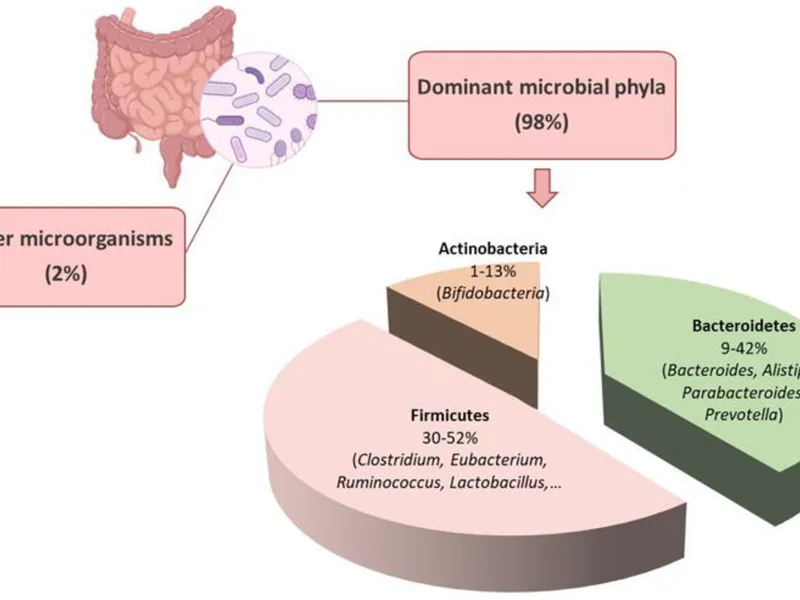
Scientists at the University of Cambridge tested 39 common sweeteners against 25 species of gut bacteria in the lab. About three-quarters of the sweeteners changed how at least one bacterial species grew, and effects got stronger — or weaker — when sweeteners were combined with medications, caffeine
July 23, 2026

Learn about safe skin tag removal in Kolkata, including causes, treatment options, recovery, risks, and when to consult a dermatologist.
May 20, 2026
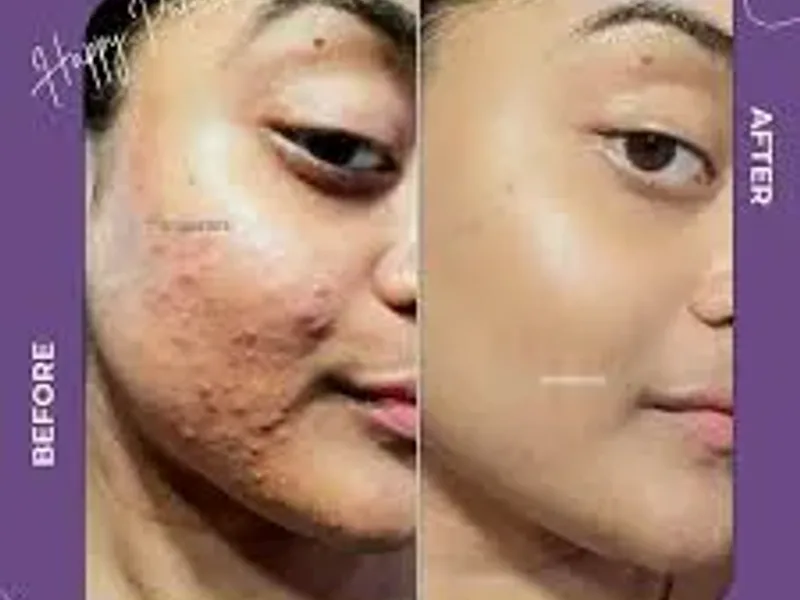
Looking for corn removal in Kolkata? Learn about symptoms, causes, treatment options, recovery, and prevention tips for painful foot corns.
May 20, 2026