

Emergency & Help
24/7 Emergency & General Advisory
🚨 24/7 Medical Emergency
Non-Emergency Advisory
10:00 AM – 6:00 PM, Mon–Sat
For appointments & general queries.
24/7 Emergency & General Advisory
🚨 24/7 Medical Emergency
Non-Emergency Advisory
10:00 AM – 6:00 PM, Mon–Sat
For appointments & general queries.
Find the best stomach specialist doctor in Khunti for digestive health. Learn about gastroenterologists and when to seek care.
Locating an accomplished gastroenterologist in Khunti is crucial for managing various gastrointestinal ailments. These physicians, known as gastroenterologists, are medical professionals committed to identifying and treating conditions impacting the alimentary canal. From prevalent concerns such as acidity and indigestion to intricate illnesses, obtaining prompt and proficient medical attention can markedly enhance your overall well-being. Navigating healthcare choices, particularly when experiencing distress, can be demanding.
A gastroenterologist is a physician with extensive training in the functioning of the esophagus, stomach, small intestine, large intestine, pancreas, gallbladder, bile ducts, and liver. They possess the knowledge to manage numerous gastrointestinal disorders.
These include conditions such as gastritis (inflammation of the gastric lining), peptic ulcers, irritable bowel syndrome (IBS), inflammatory bowel disease (IBD) like Crohn's disease and ulcerative colitis, gallstones, and hepatic conditions such as hepatitis and cirrhosis. Additionally, they address problems related to indigestion, bloating, constipation, diarrhea, and abdominal discomfort.
Several signs and symptoms indicate the need to consult a gastroenterologist. Persistent or severe abdominal pain is a primary signal. Chronic indigestion or heartburn that does not improve with over-the-counter remedies also warrants attention.
Other important indicators include unexplained weight loss, difficulty swallowing, ongoing nausea or vomiting, blood in your stool, or substantial alterations in bowel patterns. In India, gastrointestinal conditions are widespread; for example, approximately 20% of the general population is estimated to experience functional gastrointestinal disorders.
It sounds simple. It rarely is.
When seeking a gastroenterologist in Khunti, their qualifications and professional background are significant considerations. Look for practitioners with certifications and affiliations from respected medical associations. This information is often available on clinic websites or through patient testimonials. From a practical standpoint, obtaining referrals from your primary care doctor or trusted acquaintances can be quite beneficial. An effective physician will attentively listen to your concerns and clearly explain your diagnosis and available treatment options. The Indian Society of Gastroenterology offers resources for locating qualified professionals nationwide.
Your initial consultation will likely involve a thorough discussion about your medical background, including your indicators, dietary habits, lifestyle, and any prior treatments. The physician will conduct a physical examination. Based on this assessment, diagnostic tests may be recommended.
These can range from routine blood tests and stool analyses to more advanced procedures like endoscopy or colonoscopy. An endoscopy allows for visual inspection of the upper alimentary tract, while a colonoscopy examines the lower tract. These methods are essential for an accurate diagnosis.
Gastroenterologists employ various instruments to identify problems within the alimentary system. Endoscopy, encompassing upper endoscopy (esophagogastroduodenoscopy or EGD) and colonoscopy, enables direct visualization of the internal lining of the alimentary canal. During these procedures, biopsies can be collected to check for abnormalities.
Other tests include abdominal ultrasounds for examining organs such as the liver and gallbladder, CT scans for detailed imaging, and specialized blood tests to detect infections or indicators of hepatic disease. The selection of a test heavily depends on your specific indicators and medical history.
That's the part worth remembering.
Once a diagnosis is confirmed, the physician will propose a customized therapy plan. This may involve adjustments to lifestyle and diet, medications to manage manifestations, or targeted therapies for particular conditions. For example, proton pump inhibitors (PPIs) are frequently prescribed for acidity and ulcers.
For inflammatory conditions of the intestines, advanced biologic therapies are now accessible, providing new hope to many patients. In Khunti, as in other regions, access to these contemporary approaches is expanding.
Living with chronic gastrointestinal conditions presents genuine challenges. The discomfort and disruption can significantly affect daily routines and overall wellness. However, with appropriate expert care, relief and improved health are attainable.
In practical terms, effectively managing a gastrointestinal condition translates to fewer sick days, better nutritional intake, and a more fulfilling life. Many individuals have experienced the inconvenience of abdominal ailments, such as a simple bout of food poisoning after enjoying street food, which underscores the importance of maintaining proper gut health.
The numbers don't lie.
Dietary habits and lifestyle choices play a pivotal role in gut health. A balanced diet rich in fiber, combined with adequate hydration, supports regular functioning of the intestines. Avoiding trigger foods – such as spicy, oily, or processed items – can greatly assist in managing conditions like IBS and acidity. Regular physical activity also aids digestion.
What many people overlook: minor, consistent adjustments in daily routines can profoundly impact gastrointestinal well-being. For instance, reducing the intake of processed foods, which are high in unhealthy fats and low in nutrients, represents a crucial step. India faces a substantial burden of lifestyle-related illnesses; the National Institute of Nutrition (NIN) frequently emphasizes dietary modifications for superior health outcomes.
While most gastrointestinal conditions can be managed under a physician's guidance, some necessitate immediate medical intervention. Seek emergency care if you experience sudden, severe abdominal pain, vomiting blood, black or tarry stools (indicating internal bleeding), or if you suspect an intestinal obstruction.
Prompt recognition and intervention are critical in these urgent scenarios. For example, untreated appendicitis can lead to life-threatening complications if not addressed quickly.
Khunti is served by dedicated medical professionals specializing in gastrointestinal well-being. While specific hospital names are not detailed here, the presence of gastroenterologists ensures that local residents have access to specialized diagnostic and management services. These medical experts are equipped to handle a spectrum of conditions, from frequent indigestion to more serious gastrointestinal diseases.
It sounds simple. It rarely is.
They collaborate closely with people, understanding the distinct healthcare requirements within the local community. The overarching objective is always to deliver dependable and reliable care, thereby enhancing the well-being of those affected.
Access to advanced medical care in Jharkhand, including regions like Khunti, is steadily improving. While certain challenges may persist, the availability of qualified gastroenterologists signifies a dedication to better health outcomes. those affected are encouraged to use available resources, including local clinics and hospitals, to seek the care they require.
Remember, proactive health management is the most dependable route to sustained wellness. Early detection and intervention, supported by expert medical counsel, are paramount.
For many prevalent gastrointestinal conditions like acidity or mild indigestion, plain rice is often well-tolerated and can be part of a bland diet. However, if you have specific ailments like Irritable Bowel Syndrome (IBS) or celiac disease, your tolerance might differ.
It is advisable to consult your physician or a dietitian for personalized guidance based on your specific concern.
Early signs of hepatic disease can be subtle, potentially including fatigue, weakness, and abdominal discomfort, particularly in the upper right quadrant. You might also observe jaundice (yellowing of the skin and eyes), swelling in the legs and abdomen, or alterations in urine and stool color. Timely detection is crucial for proven care.
It sounds simple. It rarely is.
Improving digestion naturally involves several lifestyle modifications. Eating slowly and thoroughly chewing food aids the process. Consuming probiotic-rich foods like yogurt can support gut health.
Staying adequately hydrated by drinking plenty of water and incorporating fiber-rich foods such as fruits and vegetables into your diet are also beneficial. Regular exercise promotes intestinal motility.
You should be concerned about abdominal pain if it is sudden, severe, or persistent. Seek immediate medical attention if the pain is accompanied by fever, vomiting blood, black or bloody stools, or if you are unable to pass stool or gas. Pain that worsens over time or is associated with meaningful bloating also warrants careful consideration.
Visit Hospital
Near You
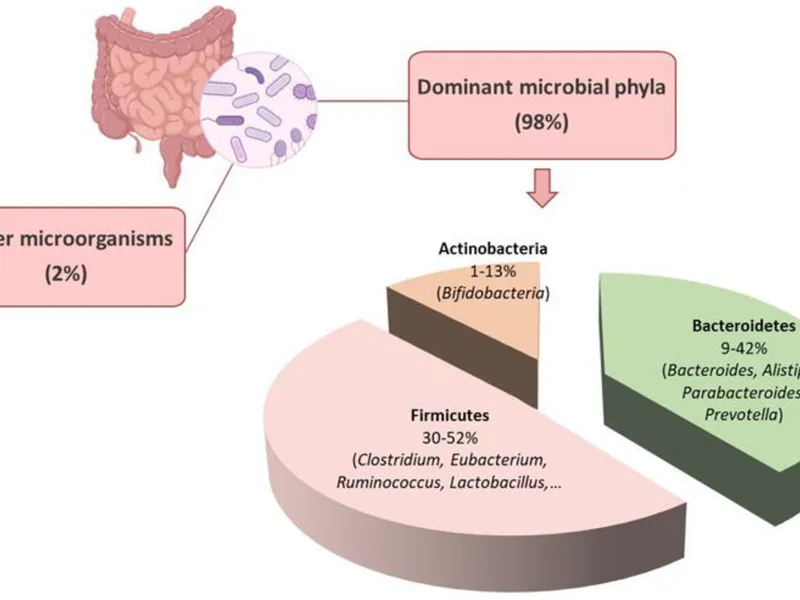
Scientists at the University of Cambridge tested 39 common sweeteners against 25 species of gut bacteria in the lab. About three-quarters of the sweeteners changed how at least one bacterial species grew, and effects got stronger — or weaker — when sweeteners were combined with medications, caffeine
July 23, 2026

Learn about safe skin tag removal in Kolkata, including causes, treatment options, recovery, risks, and when to consult a dermatologist.
May 20, 2026

Looking for corn removal in Kolkata? Learn about symptoms, causes, treatment options, recovery, and prevention tips for painful foot corns.
May 20, 2026