

Emergency & Help
24/7 Emergency & General Advisory
🚨 24/7 Medical Emergency
Non-Emergency Advisory
10:00 AM – 6:00 PM, Mon–Sat
For appointments & general queries.
24/7 Emergency & General Advisory
🚨 24/7 Medical Emergency
Non-Emergency Advisory
10:00 AM – 6:00 PM, Mon–Sat
For appointments & general queries.
Find trusted kidney specialists and advanced treatments at Godda's leading renal care hospitals. Expert advice and patient support.
When facing concerns related to renal function, selecting the appropriate medical facility marks a crucial initial step toward recovery and sustained well-being. Within Godda, numerous specialized centers now offer outstanding renal services.
These establishments provide sophisticated diagnostic methods and various therapeutic pathways for diverse renal conditions, ranging from chronic disease (CKD) to acute injury (AKI). Navigating healthcare options can be challenging; this guide aims to clarify key considerations when choosing a renal care center in the region, ensuring access to the most effective and compassionate treatment available.
The vital organs, your kidneys, perform essential functions: filtering waste from blood, regulating pressure, and producing hormones for red blood cell formation. When these organs are compromised, the entire body suffers. In India, renal ailments present a significant public wellness challenge, affecting millions annually.
For instance, the Indian Society of Nephrology reports a rising incidence of Chronic Kidney Disease (CKD), often linked to diabetes and hypertension. If left unmanaged, these conditions can lead to severe complications, including the need for renal replacement therapy or an organ transplant. Timely and expert intervention is therefore paramount.
That's the part worth remembering.
Leading renal care facilities in Godda typically offer a spectrum of services addressing the complex needs of individuals with renal ailments. These include:
When evaluating renal care centers in Godda, several factors are paramount. First, the medical team's expertise is crucial. Seek facilities with board-certified nephrologists and urologists possessing extensive experience in treating diverse renal disorders. Often, the specialists' reputation holds as much weight as the institution's infrastructure.
Second, the availability of advanced technology and modern equipment directly influences diagnostic and care quality. Does the center use the latest imaging techniques and state-of-the-art filtration equipment? These are vital questions.
Consider the facility's infrastructure, particularly its filtration unit. A well-equipped and hygienic center, adhering to strict international standards such as those from the World Health Organization (WHO), is indispensable for individual safety and approach efficacy. What many overlook: the overall experience for those receiving care matters greatly.
Seek centers that prioritize comfort, clear communication, and accessible support services. A positive environment significantly aids recovery. Living with a chronic renal ailment is genuinely difficult, and empathetic care makes a world of difference.
That's the part worth remembering.
Experience Matters: Individual Testimonials and Outcomes
While official information is provided in brochures, real-world accounts offer invaluable insights. Many individuals share their journeys, highlighting the quality of care received. For example, one person successfully managed hypertension-induced renal damage through consistent care at a Godda establishment, crediting their nephrologist's personalized approach.
Another, facing the prospect of renal replacement therapy, found solace and proven management at a local center known for its compassionate staff and advanced filtration technology. Seeking these personal accounts can help gauge a facility's true effectiveness.
To make an informed decision about a renal care facility in Godda, begin by consulting your primary care physician or a local medical practitioner. They can provide referrals based on your specific condition and medical history. If seeking a second opinion or specialized management, research centers frequently recommended by medical professionals in the region.
Checking online reviews and forums can offer additional perspectives, but always cross-reference this with professional advice. India's Ministry of Health and Family Welfare emphasizes patient-centric care, so prioritize establishments aligning with this philosophy.
This is where most patients struggle.
Consider the center's proximity and accessibility. For conditions requiring frequent visits, like renal replacement therapy, ease of travel is a marked factor.
Inquire about appointment scheduling, waiting times, and the facility's emergency response capabilities for renal crises. For conditions such as Acute Renal Injury (ARI), rapid intervention can be life-saving.
Excellent renal care hinges on its specialists. Nephrologists are physicians diagnosing and treating renal conditions. They manage issues affecting renal function, electrolyte imbalances, and hypertension. Their expertise is vital for chronic conditions like CKD. Conversely, Urologists are surgeons addressing urinary tract diseases in both genders, alongside the male reproductive system. This includes renal calculi, bladder problems, and certain renal malignancies.
Many complex scenarios demand collaboration between nephrologists and urologists. For instance, a large renal calculus might require surgical removal by a urologist, while its underlying cause and impact on renal function would be managed by a nephrologist.
Reputable facilities in Godda ensure seamless coordination between these specialists, delivering holistic care. The Indian Association of Urological Society (IAUS) promotes best practices in urological surgery, ensuring high standards of care for individuals.
Technological progress has dramatically improved outcomes for individuals with renal conditions. Facilities equipped with the latest diagnostic tools can detect renal abnormalities earlier. For example, advancements in Magnetic Resonance Imaging (MRI) and Computed Tomography (CT) offer detailed views of the organs, aiding in diagnosing tumors or structural issues.
This is where most those affected struggle.
In approach, minimally invasive surgical techniques, such as laparoscopic surgery for renal calculus removal or tumor excision, reduce recovery times and discomfort. India increasingly adopts these advanced surgical methods, as highlighted by reports from the All India Institute of Medical Sciences (AIIMS).
Filtration technology has also seen major improvements. Modern equipment offers greater efficiency and comfort for those undergoing the procedure.
On top of that,, the development of advanced peritoneal filtration techniques and ongoing research into artificial renal technologies offer hope for future management modalities. 4 million people worldwide require renal replacement therapy, according to the International Society of Nephrology.
Preventing renal conditions is as vital as treating them. Centers in Godda increasingly prioritize preventive nephrology, especially given the high prevalence of diabetes and hypertension in India – two leading causes of CRD.
According to the Indian Council of Medical Research (ICMR), diabetes affects over 77 million Indians, and hypertension impacts a similar number. Early screening and management of these conditions are key to protecting renal well-being.
Recovery is rarely linear.
Preventive strategies include regular check-ups, particularly for those with likelihood factors. These typically involve monitoring blood pressure, blood sugar levels, and renal function tests (like urine albumin-to-creatinine ratio and serum creatinine). Lifestyle modifications, such as a balanced diet, regular exercise, maintaining a healthy weight, and avoiding smoking, are strongly encouraged.
Establishments often conduct wellness camps and awareness drives to educate the public on these measures. What many miss: small lifestyle changes can have a monumental impact on long-term renal well-being.
While renal replacement therapy is a common therapy for end-stage renal disease, it is not the sole option. Renal transplantation is considered the most powerful care for ESRD, offering individuals a chance to live a near-normal life.
Facilities with established transplant programs, supported by skilled surgical teams and comprehensive post-operative care protocols, provide this life-altering procedure. The journey of a transplant recipient is challenging but immensely rewarding.
Recovery is rarely linear.
For less severe renal issues, various medical therapies can enable manage the problem, slow its progression, and alleviate symptoms. These therapies are tailored to the specific diagnosis, whether an autoimmune concern, infection, or medication side effect.
A thorough evaluation by a nephrologist is the initial step to determining the most appropriate care plan. The goal is always to preserve as much renal function as possible for as long as possible.
Beyond medical expertise, the support system provided by a medical center is invaluable. This includes access to dietitians who assist individuals in managing nutrition (crucial for renal well-being), counselors for emotional support, and peer groups. Living with a chronic renal situation can be isolating, and connecting with others who understand the challenges can be incredibly empowering.
Many facilities facilitate these connections, fostering a community of care. A strong support network boosts resilience.
Selecting a renal care facility in Godda requires careful consideration of medical expertise, technological capabilities, individual care, and accessibility. By focusing on these key aspects, you can find an establishment that not only treats renal ailments effectively but also supports you throughout your wellness journey.
Proactive care and informed choices are your greatest allies in maintaining optimal renal well-being. We encourage open discussion of concerns with healthcare providers and prioritization of your well-being.
It sounds simple. It rarely is.
Key Takeaways
For many individuals with a renal problem, moderate rice consumption may be permissible, depending on disease stage and specific dietary advice from your doctor or dietitian. Controlling portion sizes and considering preparation methods are important. Discussing your diet with a renal dietitian is the best approach.
Early indications of renal issues can be subtle, often including changes in urination (frequency, appearance), swelling in the legs or ankles, fatigue, and persistent itching. High blood pressure and diabetes are major chance factors, so regular check-ups are vital for early detection.
Renal replacement therapy itself is typically not painful, though some individuals may experience discomfort or side effects like muscle cramps or nausea during or after a session. Modern techniques and experienced staff aim to minimize any potential discomfort and ensure the procedure is as tolerable as possible.
Protecting your renal organs involves managing underlying conditions like diabetes and high blood pressure, maintaining a healthy weight, eating a balanced diet low in salt and processed foods, staying hydrated, exercising regularly, and avoiding smoking and excessive alcohol. Regular medical check-ups are also key.
Most people overlook this completely.
Visit Hospital
Near You
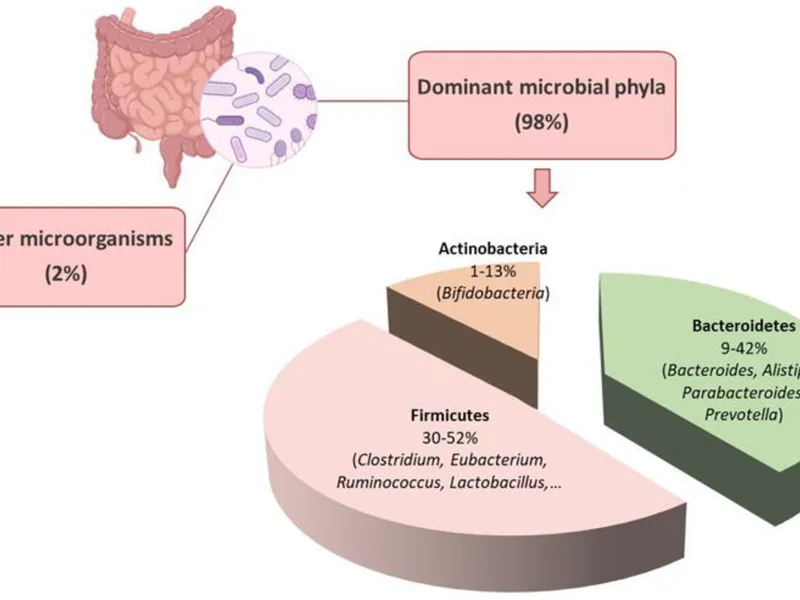
Scientists at the University of Cambridge tested 39 common sweeteners against 25 species of gut bacteria in the lab. About three-quarters of the sweeteners changed how at least one bacterial species grew, and effects got stronger — or weaker — when sweeteners were combined with medications, caffeine
July 23, 2026

Learn about safe skin tag removal in Kolkata, including causes, treatment options, recovery, risks, and when to consult a dermatologist.
May 20, 2026

Looking for corn removal in Kolkata? Learn about symptoms, causes, treatment options, recovery, and prevention tips for painful foot corns.
May 20, 2026