

Emergency & Help
24/7 Emergency & General Advisory
🚨 24/7 Medical Emergency
Non-Emergency Advisory
10:00 AM – 6:00 PM, Mon–Sat
For appointments & general queries.
24/7 Emergency & General Advisory
🚨 24/7 Medical Emergency
Non-Emergency Advisory
10:00 AM – 6:00 PM, Mon–Sat
For appointments & general queries.
Learn about vitiligo treatment in Kolkata, including symptoms, causes, diagnosis, and safe treatment options for better skin care and management.
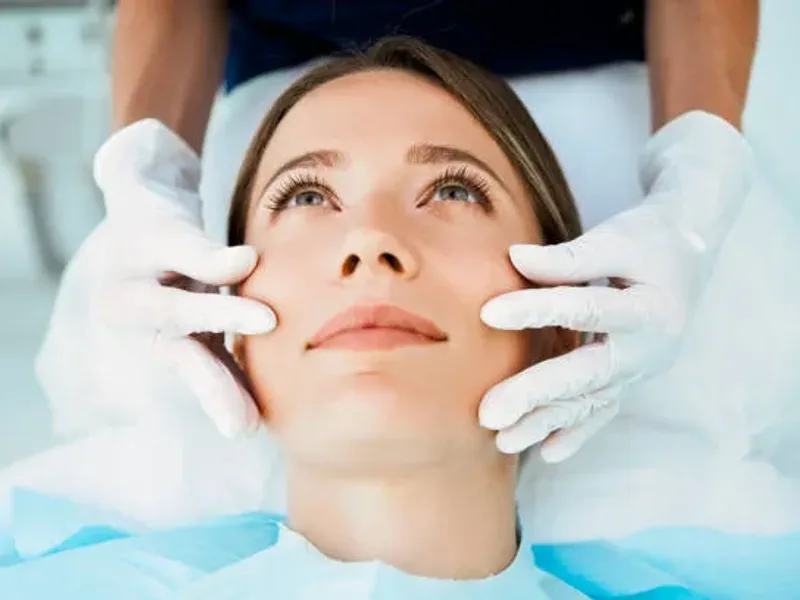
Vitiligo is a long-term skin condition that causes patches of skin to lose their natural color. It happens when pigment-producing cells, called melanocytes, stop functioning or are destroyed. The condition can affect people of any age and skin type.
Many people searching for vitiligo treatment in Kolkata want safe, medically guided care that helps manage symptoms and improve skin appearance. Early diagnosis and proper treatment may help slow the spread of depigmentation and support better skin health.
Vitiligo is a non-contagious skin disorder that leads to white or lighter patches on different parts of the body. These patches can appear gradually or spread over time.
The condition may affect:
• Face and lips
• Hands and fingers
• Arms and legs
• Around the eyes
• Scalp and hair
• Genital areas
Vitiligo is not painful, but it can affect emotional well-being and confidence, especially when visible areas of the skin are involved.
The symptoms of vitiligo can vary from person to person. Some people develop a few small patches, while others may notice wider skin changes.
Common signs include:
• White or pale patches on the skin
• Premature whitening of hair or beard
• Loss of color inside the mouth or nose
• Symmetrical patches on both sides of the body
• Slow or rapid spread of depigmented areas
In some cases, the patches remain stable for years. In others, they may spread gradually.
Vitiligo is believed to be linked to autoimmune activity, where the immune system attacks pigment-producing cells. The exact cause is still being studied.
Possible causes and risk factors include:
• Family history of vitiligo
• Autoimmune disorders
• Genetic factors
• Stress or emotional triggers
• Skin injury or sunburn
• Chemical exposure in rare cases
Doctors often evaluate overall health and medical history before planning vitiligo treatment in Kolkata.
A dermatologist can usually diagnose vitiligo through a skin examination and medical history review. In some cases, additional tests may be advised to rule out related conditions.
Diagnosis may include:
• Physical examination of the skin
• Wood’s lamp examination
• Blood tests for autoimmune disorders
• Skin biopsy in selected cases
Early diagnosis is important because treatment outcomes are often better when care begins sooner.
There is no universal cure for vitiligo, but several treatments may help restore skin color, reduce progression, and improve appearance. Treatment plans depend on the size, location, and duration of the condition.
Doctors may prescribe creams or ointments to help manage inflammation and support repigmentation.
Common options include:
• Corticosteroid creams
• Calcineurin inhibitors
• Vitamin-based topical medicines
• Medicated skin care products
These treatments are usually recommended under medical supervision.
Phototherapy is a commonly used treatment for vitiligo. It uses controlled ultraviolet light exposure to stimulate pigment production.
Benefits may include:
• Slowing progression of patches
• Supporting repigmentation
• Treating widespread vitiligo
• Improving skin tone consistency
Multiple sessions are often needed for visible improvement.
For stable vitiligo that does not respond to other therapies, some dermatologists may suggest surgical methods.
These may include:
• Skin grafting
• Melanocyte transplant procedures
• Blister grafting techniques
Not every patient is suitable for surgery, so specialist evaluation is important.
Daily skin care also plays a role in managing vitiligo and protecting sensitive skin.
Helpful tips include:
• Use sunscreen regularly
• Avoid excessive sun exposure
• Keep skin moisturized
• Manage stress levels
• Follow dermatologist advice consistently
Supportive counseling may also help individuals cope with emotional stress linked to visible skin changes.
Choosing the right dermatologist is important for long-term skin management. Experienced skin specialists can guide patients through safe and evidence-based treatment options.
While selecting a clinic or doctor, consider:
• Experience in treating vitiligo
• Availability of phototherapy facilities
• Patient reviews and reputation
• Personalized treatment plans
• Follow-up care and monitoring
A proper consultation can help determine the most suitable treatment approach based on individual needs.
No, vitiligo is not contagious. It cannot spread through touch or physical contact.
There is no guaranteed cure for vitiligo, but treatments may help manage symptoms and restore some skin color.
You should consult a qualified dermatologist or skin specialist experienced in vitiligo management.
Phototherapy is commonly used under medical supervision and may help many patients with controlled treatment sessions.
Stress may act as a trigger in some individuals and can sometimes influence disease progression.
Vitiligo is a manageable skin condition that requires proper medical attention and long-term care. Early diagnosis, guided treatment, and healthy skin practices can help improve skin appearance and quality of life.
If you are considering vitiligo treatment in Kolkata, consult an experienced dermatologist for a personalized evaluation and evidence-based care plan.
Author: Doctar Team
Visit Hospital
Near You

Scientists at the University of Cambridge tested 39 common sweeteners against 25 species of gut bacteria in the lab. About three-quarters of the sweeteners changed how at least one bacterial species grew, and effects got stronger — or weaker — when sweeteners were combined with medications, caffeine
July 23, 2026

Learn about safe skin tag removal in Kolkata, including causes, treatment options, recovery, risks, and when to consult a dermatologist.
May 20, 2026
Looking for corn removal in Kolkata? Learn about symptoms, causes, treatment options, recovery, and prevention tips for painful foot corns.
May 20, 2026