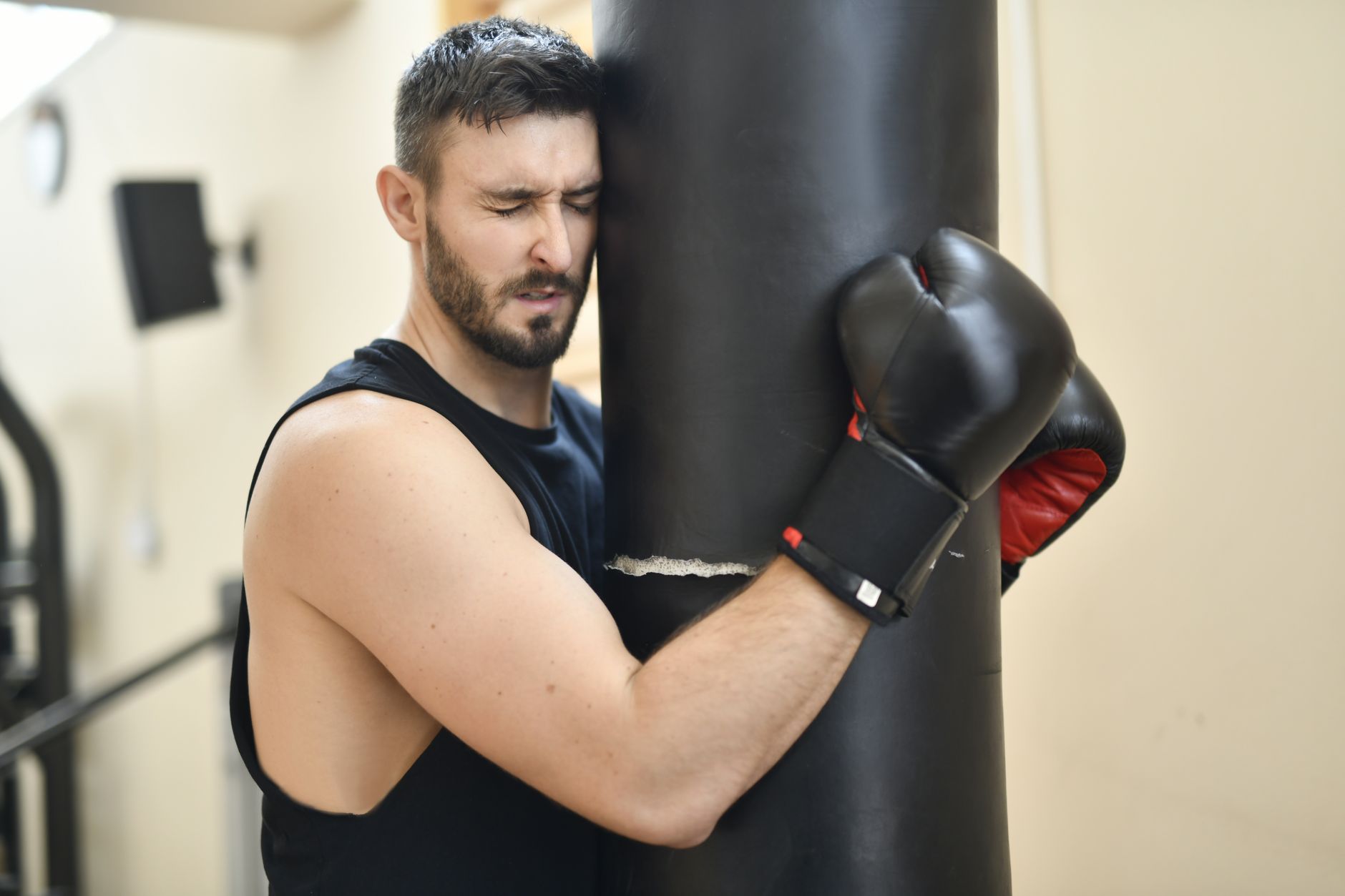
Creatine is a popular supplement among athletes and fitness enthusiasts, often used to boost performance and energy. But what happens when you start taking it and a headache appears? It's a common question, and thankfully, the answer is usually straightforward. While some people report headaches after starting creatine, research suggests it's rarely the supplement itself causing the pain. Instead, other factors related to your lifestyle, training, or hydration are more likely culprits.
What is Creatine?
Creatine is a naturally occurring compound found in our bodies, primarily in muscles. It's made from amino acids and plays a vital role in supplying energy to our cells, especially during short bursts of intense activity like weightlifting or sprinting. You can also get creatine from your diet, with red meat and seafood being good sources. However, many people turn to creatine supplements to increase their intake and potentially enhance athletic performance.
Why Do People Take Creatine?
The main reasons people choose creatine supplements include:
- Improved Strength and Power: Creatine helps your muscles produce energy during high-intensity exercise, leading to better strength and power output.
- Increased Muscle Mass: It can contribute to muscle growth over time, especially when combined with resistance training.
- Enhanced Exercise Performance: Many users report being able to perform more reps or lift heavier weights.
- Faster Muscle Recovery: Some studies suggest it may aid in muscle repair after strenuous workouts.
Creatine and Headaches: The Connection?
The idea that creatine causes headaches is mostly based on anecdotal evidence. While some individuals experience headaches shortly after starting creatine, scientific studies haven't established a direct causal link. In fact, the research often points to the contrary, suggesting creatine is one of the safest, most well-researched supplements available. So, if you're getting headaches, it's worth looking at other possibilities.
Common Triggers for Headaches in Active Individuals
If you're active and taking creatine, your headaches are more likely linked to these common factors:
1. Dehydration
This is perhaps the most frequent cause of headaches, especially for people who exercise. Creatine can draw water into your muscle cells, which might increase your body's overall need for fluids. If you're not drinking enough water, particularly before, during, and after your workouts, dehydration can set in, leading to a headache. Imagine you've just finished a tough gym session, feeling tired and thirsty, and then a dull ache starts behind your eyes. That's your body signaling it needs more water.
2. Muscle Tension and Overexertion
Pushing your body too hard during exercise, especially without proper warm-ups or cool-downs, can lead to muscle tension. Tightness in your neck and shoulder muscles, often a result of overexertion or poor form, can trigger tension headaches. This is common in activities like heavy weightlifting or endurance training where you might be straining your muscles significantly.
3. Overheating
Exercising in hot weather or overly warm environments can cause your body temperature to rise. Overheating can manifest in several unpleasant symptoms, including headaches, dizziness, and fatigue. This risk is amplified if you're also dehydrated or overexerting yourself.
4. Other Factors
Sometimes, headaches can be unrelated to your workout or supplement. These could include:
- Lack of sleep
- Stress
- Skipping meals
- Illness
- Changes in caffeine intake
Preventing Headaches While Taking Creatine
The good news is that most of these headache triggers are preventable with simple lifestyle adjustments. Here's how you can stay headache-free:
- Stay Hydrated: This is paramount. Drink plenty of water throughout the day, especially on days you exercise. Aim for clear or pale yellow urine as a sign of good hydration. Carry a water bottle with you and sip regularly.
- Warm-Up and Cool-Down Properly: Always dedicate time to warming up your muscles before exercise and stretching afterwards. This helps prevent muscle tightness and reduces the risk of tension headaches.
- Listen to Your Body: Avoid pushing yourself to the point of overexertion. Gradually increase the intensity of your workouts. If you feel unwell or overly fatigued, it's okay to take a rest day.
- Manage Workout Environment: If possible, avoid intense exercise during the hottest parts of the day or in very hot conditions. Wear breathable clothing.
- Maintain a Balanced Lifestyle: Ensure you're getting adequate sleep, managing stress, and eating regular, balanced meals.
When to Consult a Doctor
While creatine itself is generally safe and headaches are usually due to other causes, it's important to know when to seek medical advice. Consult your doctor if:
- Your headaches are severe, sudden, or persistent.
- You experience other concerning symptoms along with the headache, such as fever, stiff neck, confusion, vision changes, or numbness.
- The headaches interfere significantly with your daily life or training.
- You have any underlying health conditions that might be affected.
A doctor can help rule out more serious causes of headaches and provide personalized advice.
Frequently Asked Questions (FAQ)
Q1: Can creatine cause immediate headaches?
It's unlikely that creatine directly causes immediate headaches. If you experience a headache right after taking it, it's more probable that other factors like dehydration or exertion are at play.
Q2: Should I stop taking creatine if I get a headache?
Not necessarily. First, try addressing potential triggers like increasing your water intake and ensuring proper warm-ups. If headaches persist despite these measures, discuss it with your doctor.
Q3: Is creatine safe for everyone?
For most healthy adults, creatine is considered safe. However, individuals with pre-existing kidney conditions should consult their doctor before use. Always follow the recommended dosage on the product label.
Q4: How much water should I drink when taking creatine?
There's no exact number, but aim to significantly increase your usual intake. A good general guideline is to drink at least 2-3 litres of water per day, and even more on workout days. Listen to your body's thirst signals.
What This Means In Daily Life
Most people do not notice early warning signs right away. That is common. A simple symptom diary, basic routine checks, and timely follow-up visits can prevent small problems from becoming serious.
If you are already on treatment, stay consistent with medicines and lifestyle advice. If your symptoms change, do not guess. Check with a qualified doctor and update your plan early.
Simple Action Plan
Write down symptoms, triggers, and timing for a few days.
Carry old prescriptions and test reports to your consultation.
Ask clearly about side effects, red-flag signs, and follow-up dates.
Seek urgent care for severe pain, breathing trouble, bleeding, fainting, or sudden worsening.