

Emergency & Help
24/7 Emergency & General Advisory
🚨 24/7 Medical Emergency
Non-Emergency Advisory
10:00 AM – 6:00 PM, Mon–Sat
For appointments & general queries.
24/7 Emergency & General Advisory
🚨 24/7 Medical Emergency
Non-Emergency Advisory
10:00 AM – 6:00 PM, Mon–Sat
For appointments & general queries.
Stay updated with our latest healthcare news and your appointments.
Learn about the safety of Latuda (lurasidone hydrochloride) during pregnancy and breastfeeding, including potential risks, the importance of pregnancy registries, and when to consult a doctor.
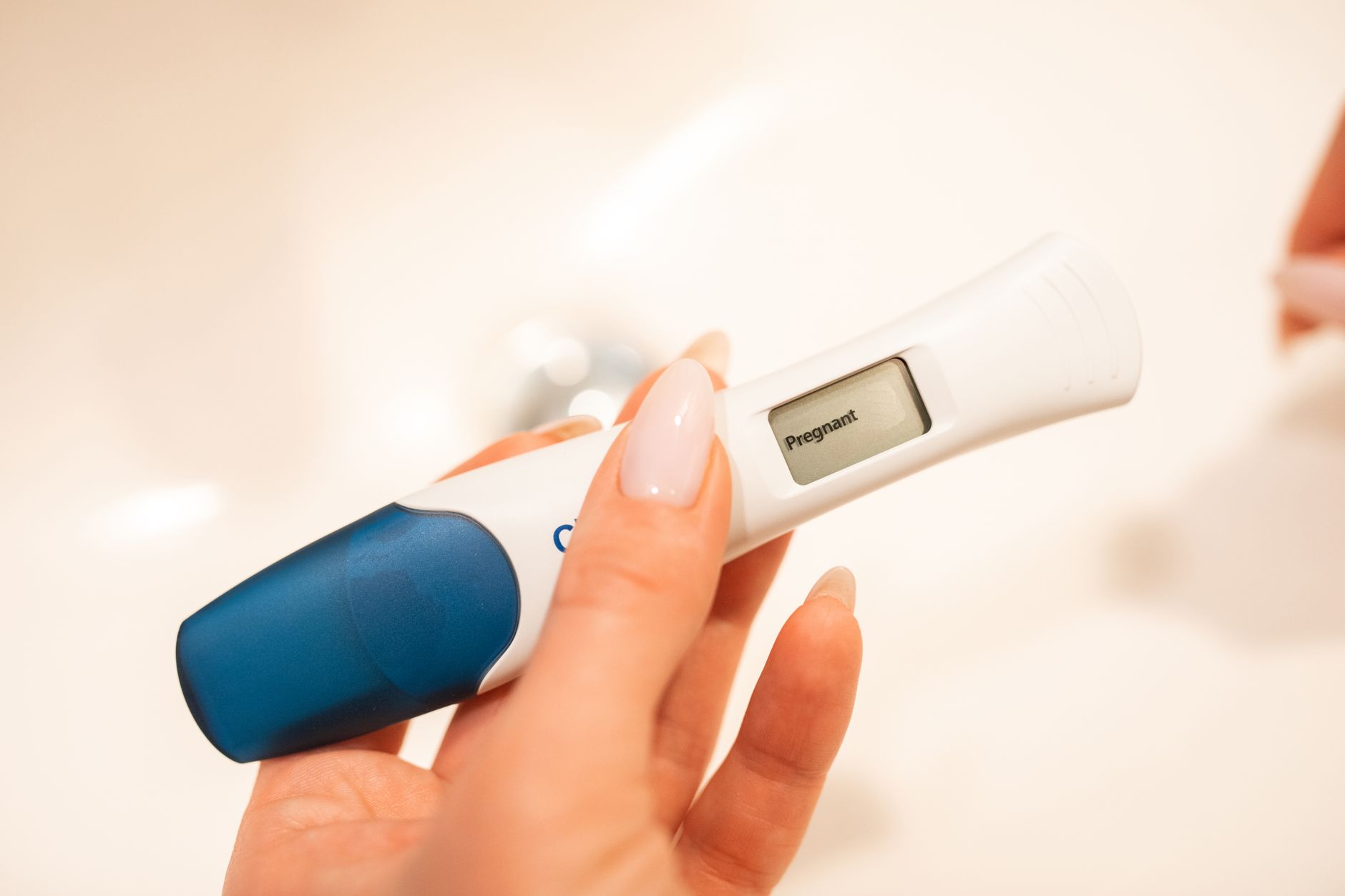
Latuda, known medically as lurasidone hydrochloride, is a prescription medication primarily used to manage schizophrenia and bipolar disorder. It is available in oral tablet form. For individuals planning a family or who are already pregnant or breastfeeding, understanding the potential effects of Latuda on reproductive health is crucial. This article aims to provide clear, practical information for Indian readers regarding the use of Latuda during pregnancy and breastfeeding, emphasizing safety and informed decision-making.
Deciding whether to continue or start Latuda during pregnancy involves weighing potential risks and benefits. It is not definitively known whether Latuda is entirely safe for use during pregnancy. The decision should be made in close consultation with your healthcare provider, who can assess your individual health status, the severity of your condition, and the potential impact on both you and your developing baby.
If you are taking Latuda and can become pregnant, or are already pregnant, your doctor may recommend enrolling in the Latuda pregnancy registry. A pregnancy registry is a vital resource that collects information about the outcomes of pregnancies in women who take specific medications. This data helps healthcare professionals and researchers better understand the potential risks and effects of the drug during pregnancy. Enrolling in the registry allows for the collection of valuable data that can inform future treatment decisions and improve patient care. To enroll or report side effects related to Latuda during pregnancy, you can contact the registry by calling 866-961-2388 or by visiting their website.
While specific risks are still being studied, it's important to be aware of potential concerns. Some newborns whose mothers took antipsychotic medications during the third trimester of pregnancy have experienced withdrawal symptoms. These symptoms can include:
It is essential to discuss these potential risks with your doctor. They can help you understand the likelihood of these symptoms occurring in your specific situation and what monitoring might be necessary.
For breastfeeding mothers, the decision to use Latuda also requires careful consideration. The effects of Latuda on infants who are breastfed are not well-established. It is currently unknown whether Latuda passes into breast milk and, if it does, what impact it might have on the baby. Furthermore, it is unclear whether Latuda can affect the mother's milk production.
If you are breastfeeding or planning to breastfeed, it is imperative to have an open discussion with your doctor. They can provide guidance on the potential benefits of continuing Latuda for your mental health versus the potential risks to your baby. Your doctor may recommend alternative treatment options or suggest specific monitoring for your baby if you continue taking Latuda.
The use of any medication during pregnancy or breastfeeding should always be a collaborative decision between the patient and their healthcare provider. Your doctor will consider:
Open communication is key. Do not hesitate to ask questions and express your concerns. Your doctor's goal is to help you achieve the best possible health outcomes for both you and your child.
It is essential to consult your doctor immediately if:
Your healthcare provider is your best resource for personalized medical advice. They can provide the most accurate and up-to-date information based on your unique circumstances and the latest medical research.
Disclaimer: This information is intended for general knowledge and informational purposes only, and does not constitute medical advice. It is essential to consult with a qualified healthcare professional for any health concerns or before making any decisions related to your health or treatment.
Visit Hospital
Near You
Learn about kidney transplant options in Narendrapur, recovery, and donor criteria. Expert insights for informed decisions.
May 19, 2026
Explore LASIK eye surgery in Madhepura. Learn about eligibility, the procedure, benefits, risks, and costs from trusted specialists.
May 19, 2026
Explore LASIK surgery in Nalanda. Understand eligibility, the procedure, recovery, and costs for vision correction at leading eye clinics.
May 19, 2026