

Emergency & Help
24/7 Emergency & General Advisory
🚨 24/7 Medical Emergency
Non-Emergency Advisory
10:00 AM – 6:00 PM, Mon–Sat
For appointments & general queries.
24/7 Emergency & General Advisory
🚨 24/7 Medical Emergency
Non-Emergency Advisory
10:00 AM – 6:00 PM, Mon–Sat
For appointments & general queries.
Stay updated with our latest healthcare news and your appointments.
Learn about potential interactions with Linzess, including alcohol, anticholinergic drugs, and antidiarrheal medications. Understand dosage timing and side effect management for effective constipation relief.
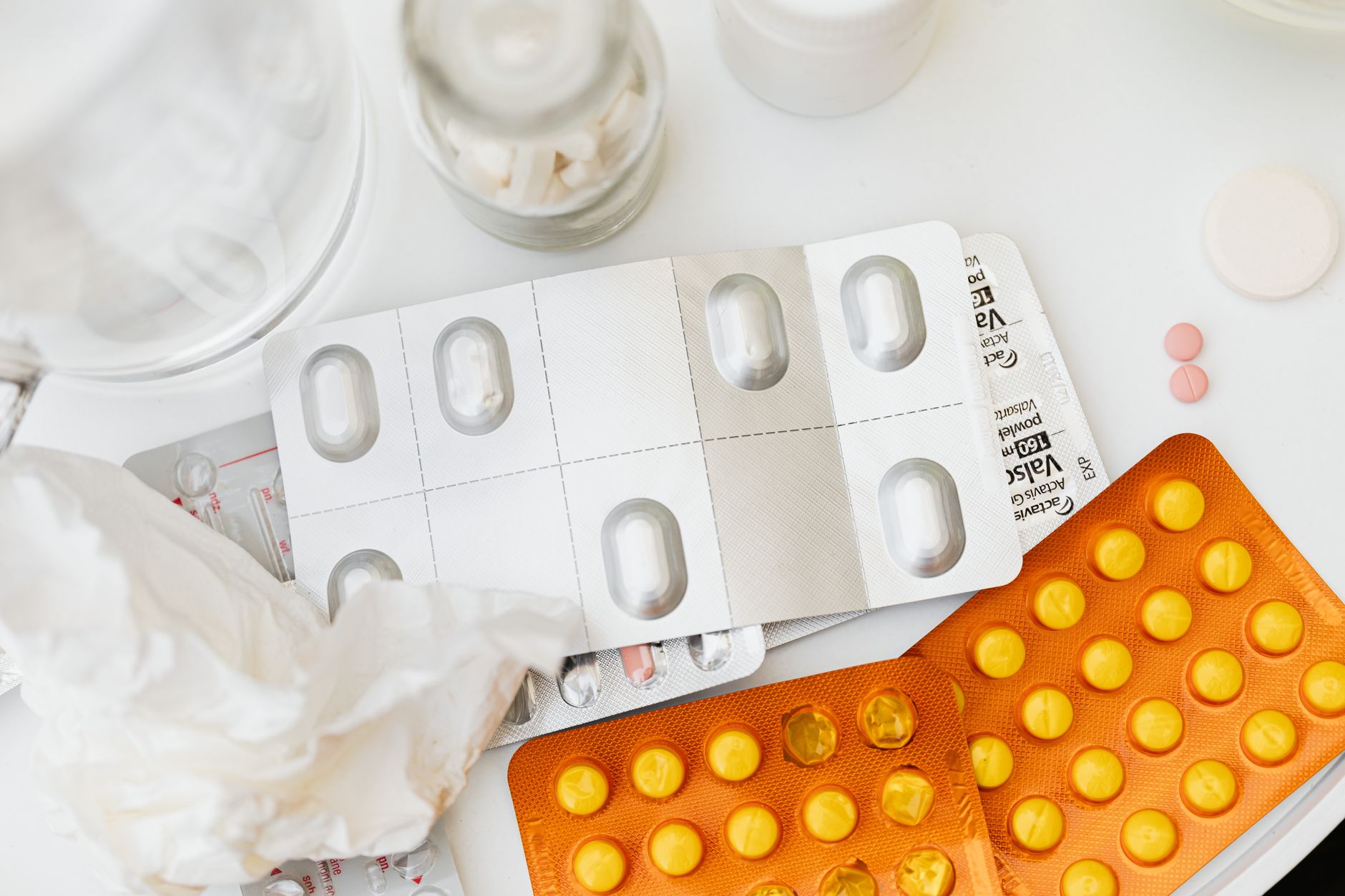
Linzess, a prescription medication containing linaclotide, is a valuable tool for adults struggling with certain types of constipation, primarily irritable bowel syndrome with constipation (IBS-C) and chronic idiopathic constipation (CIC). It works by increasing fluid in your intestines, which helps to soften stool and promote bowel movements. While Linzess can offer significant relief, it's crucial to be aware of potential interactions that could affect its efficacy or increase the risk of side effects. This guide aims to provide clear, practical information for Indian readers about Linzess interactions, focusing on alcohol, other medications, and important health considerations.
Linzess belongs to a class of drugs called guanylate cyclase-C agonists. It acts locally in the gut to stimulate the secretion of intestinal fluid and transit. This dual action helps to both soften stool and speed up its passage through the digestive tract, thereby alleviating constipation.
Before you begin taking Linzess, your doctor will assess your medical history to ensure it's a safe and appropriate treatment for you. Certain conditions can contraindicate the use of Linzess:
Currently, there are no direct, known interactions between Linzess and alcohol. However, this doesn't mean you can consume alcohol without any concern. Both alcohol and Linzess can independently contribute to certain side effects. For instance:
Recommendation: If you regularly consume alcohol, it's essential to discuss this with your doctor. They can advise on the amount, if any, that may be safe to consume while taking Linzess, considering your overall health and potential risks.
Linzess can interact with certain other medications, potentially affecting how well Linzess works or increasing the risk of side effects. It's crucial to provide your doctor with a complete list of all medications, supplements, and herbal products you are currently taking.
Important Note: This is not an exhaustive list. Many other medications could potentially interact with Linzess. Always consult your doctor or pharmacist for personalized advice.
The timing of your Linzess dose is critical for its effectiveness and to minimize potential side effects. Linzess should be taken on an empty stomach. Specifically:
Taking Linzess with food, particularly a high-fat meal, can increase the absorption of the drug and raise the risk of side effects, such as diarrhea.
Like all medications, Linzess can cause side effects. The most common ones include:
Severe diarrhea can lead to dehydration and electrolyte imbalances. If you experience persistent or severe diarrhea, or any signs of dehydration (e.g., decreased urination, dizziness, dry mouth), contact your doctor immediately.
It's essential to maintain open communication with your healthcare provider. You should consult your doctor in the following situations:
No, Linzess should be taken at least 30 minutes before your first meal of the day on an empty stomach. Taking it with food, especially a high-fat meal, can increase side effects.
If you miss a dose, take it as soon as you remember, at least 30 minutes before your next meal. If it's almost time for your next dose, skip the missed dose and continue with your regular schedule. Do not double up on doses.
While there are no strict dietary rules, avoiding high-fat meals close to the time you take your Linzess dose is recommended. Staying hydrated is also crucial, especially if you experience diarrhea.
Linzess is approved for use in children aged 6 years and older for functional constipation. However, its use in children younger than 2 years is not recommended due to potential risks. Always follow your doctor's prescription for pediatric use.
Signs of a severe allergic reaction can include rash, itching/swelling (especially of the face/tongue/throat), severe dizziness, and trouble breathing. Seek immediate medical attention if you experience any of these symptoms.
Linzess is an effective medication for managing certain types of constipation. By understanding its potential interactions with alcohol and other drugs, and by adhering to the recommended dosage and timing, you can maximize its benefits while minimizing risks. Always prioritize open communication with your doctor to ensure the safe and effective use of Linzess as part of your overall health management plan.
Visit Hospital
Near You
Learn about kidney transplant options in Narendrapur, recovery, and donor criteria. Expert insights for informed decisions.
May 19, 2026
Explore LASIK eye surgery in Madhepura. Learn about eligibility, the procedure, benefits, risks, and costs from trusted specialists.
May 19, 2026
Explore LASIK surgery in Nalanda. Understand eligibility, the procedure, recovery, and costs for vision correction at leading eye clinics.
May 19, 2026