

Emergency & Help
24/7 Emergency & General Advisory
🚨 24/7 Medical Emergency
Non-Emergency Advisory
10:00 AM – 6:00 PM, Mon–Sat
For appointments & general queries.
24/7 Emergency & General Advisory
🚨 24/7 Medical Emergency
Non-Emergency Advisory
10:00 AM – 6:00 PM, Mon–Sat
For appointments & general queries.
Stay updated with our latest healthcare news and your appointments.
Understand Synjardy's side effects, including common issues like nausea and UTIs, and serious risks like lactic acidosis. Learn management tips and when to seek medical help for type 2 diabetes treatment.
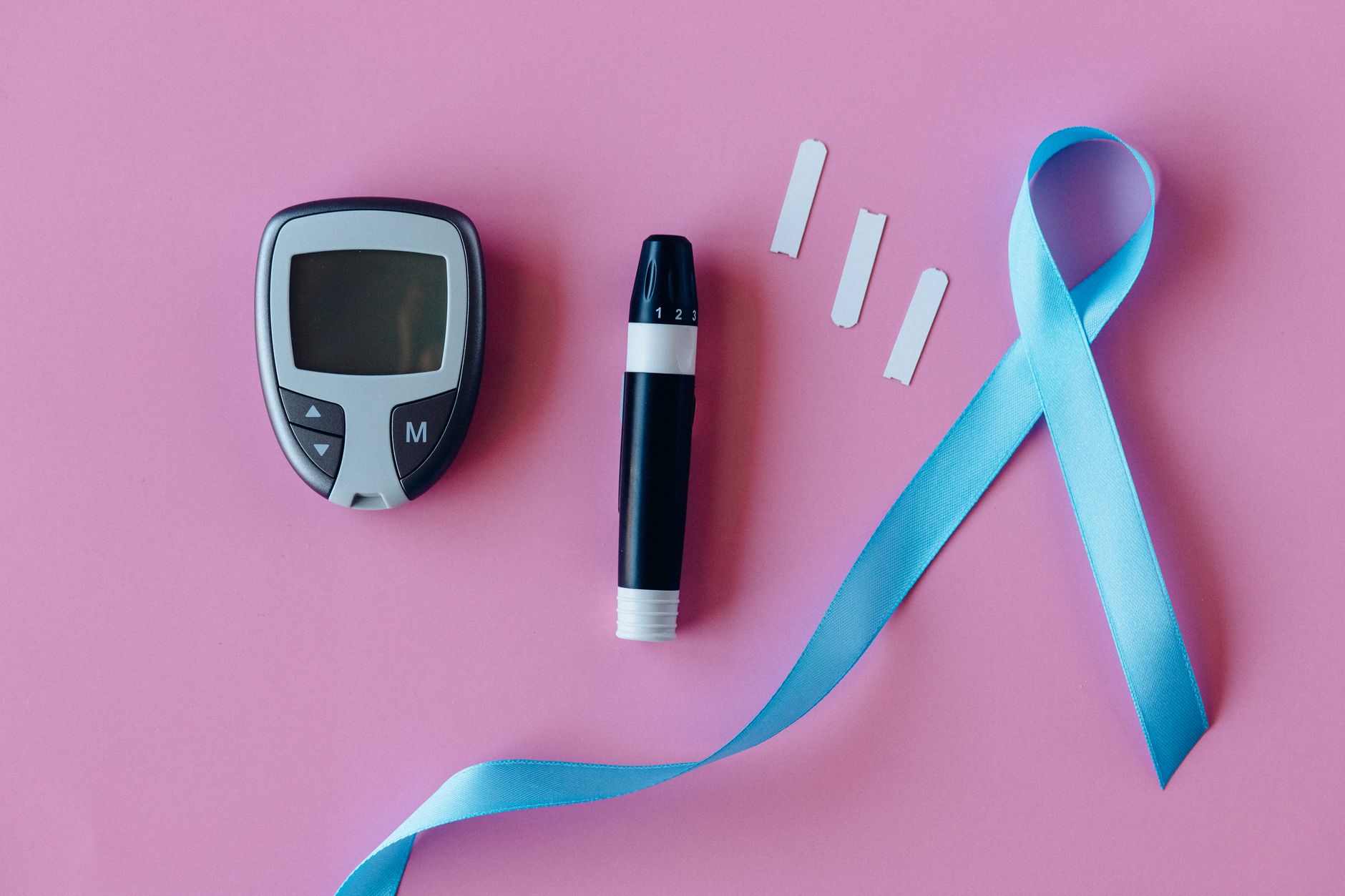
Navigating the complexities of type 2 diabetes treatment can feel overwhelming, especially when new medications are involved. If your doctor has prescribed Synjardy, you're likely wondering about its benefits, how it works, and, importantly, what side effects you might encounter. This guide is here to demystify Synjardy, offering clear, practical advice tailored for our Indian readers. We'll break down everything you need to know, from common concerns to serious warnings, empowering you to manage your diabetes with confidence.
Synjardy is a prescription medication that combines two active ingredients: empagliflozin and metformin. It's a powerful tool in managing type 2 diabetes, working alongside diet and exercise to help control blood sugar levels. For adults with type 2 diabetes, Synjardy helps lower blood glucose. Additionally, for adults who have both type 2 diabetes and existing heart disease, Synjardy offers a significant benefit: it can reduce the risk of cardiovascular death, such as death from heart attack, stroke, or heart failure.
It's important to note that Synjardy comes in two forms: immediate-release tablets taken twice daily, and Synjardy XR, extended-release tablets taken once daily. The choice between these forms often depends on your doctor's assessment and your individual needs. While Synjardy (immediate-release) is also approved for children aged 10 and older with type 2 diabetes to help control blood sugar, the extended-release version is typically for adults.
Like any medication, Synjardy can cause side effects. While many are mild and manageable, some can be serious and require immediate medical attention. It's vital to be aware of these possibilities so you can act quickly if they arise.
Many people take Synjardy without experiencing significant issues. However, some common side effects have been reported. These often include:
These symptoms are usually mild and may lessen as your body adjusts to the medication. However, if they persist or become bothersome, don't hesitate to speak with your doctor.
While less common, Synjardy carries a risk of more serious side effects. The most significant of these carries a boxed warning from the Food and Drug Administration (FDA) – the most serious type of warning. This warning is for lactic acidosis.
Lactic acidosis is a serious condition where lactic acid builds up in the blood. It can be life-threatening. Symptoms to watch out for include:
If you experience any of these symptoms, stop taking Synjardy immediately and call your doctor right away. If the symptoms feel life-threatening, call 911 or your local emergency number immediately.
Synjardy can also increase the risk of a condition called diabetic ketoacidosis (DKA). This is a serious complication of diabetes that occurs when your body produces high levels of blood acids called ketones. Symptoms of DKA can include:
As with lactic acidosis, if you suspect DKA, stop taking Synjardy and contact your doctor immediately. If symptoms are severe or feel life-threatening, seek emergency medical care by calling 911 or your local emergency number.
Though rare, severe allergic reactions to Synjardy can occur. Signs of a severe reaction include:
If you experience any signs of a severe allergic reaction, call 911 or your local emergency number immediately. These symptoms can be life-threatening.
Beyond these critical warnings, other side effects can occur:
Living with type 2 diabetes and managing your medication effectively means being proactive. Here’s how you can manage potential side effects:
Your doctor will determine the right dose of Synjardy for you, considering your individual health status and blood sugar control needs. It's crucial to take the medication exactly as prescribed. If you miss a dose, take it as soon as you remember, unless it's almost time for your next dose. In that case, skip the missed dose and continue with your regular schedule. Do not double up on doses.
Remember, Synjardy is meant for long-term management of type 2 diabetes. Consistency is key to achieving and maintaining good blood sugar control and reducing cardiovascular risks.
While mild side effects might be managed at home, certain situations warrant immediate medical consultation:
Your doctor is your best resource for managing Synjardy safely and effectively. Regular check-ups are essential to monitor your progress and address any concerns promptly.
Yes, Synjardy is often prescribed in combination with other diabetes medications, such as insulin or sulfonylureas, to achieve better blood sugar control. However, combining medications can increase the risk of certain side effects, particularly hypoglycemia (low blood sugar). Always inform your doctor about all the medications you are taking.
Synjardy contains immediate-release tablets taken twice daily, meaning the medication is released into your body quickly. Synjardy XR contains extended-release tablets taken once daily, releasing the medication slowly over time. Your doctor will decide which form is best suited for your treatment plan.
Some people taking medications like empagliflozin (one of the components of Synjardy) may experience modest weight loss. This is partly due to the loss of calories through glucose in the urine. However, Synjardy is primarily prescribed for blood sugar control and cardiovascular risk reduction, not for weight loss alone.
Synjardy is typically intended for long-term use as part of managing type 2 diabetes. Your doctor will regularly assess your condition to determine the ongoing need for the medication.
Taking charge of your diabetes treatment means staying informed. By understanding Synjardy's potential benefits and side effects, and by working closely with your healthcare team, you can manage your condition effectively and live a healthier life. Remember, your health is paramount, and open communication with your doctor is your strongest ally.
Visit Hospital
Near You
Learn about kidney transplant options in Narendrapur, recovery, and donor criteria. Expert insights for informed decisions.
May 19, 2026
Explore LASIK eye surgery in Madhepura. Learn about eligibility, the procedure, benefits, risks, and costs from trusted specialists.
May 19, 2026
Explore LASIK surgery in Nalanda. Understand eligibility, the procedure, recovery, and costs for vision correction at leading eye clinics.
May 19, 2026