

Emergency & Help
24/7 Emergency & General Advisory
🚨 24/7 Medical Emergency
Non-Emergency Advisory
10:00 AM – 6:00 PM, Mon–Sat
For appointments & general queries.
24/7 Emergency & General Advisory
🚨 24/7 Medical Emergency
Non-Emergency Advisory
10:00 AM – 6:00 PM, Mon–Sat
For appointments & general queries.
Stay updated with our latest healthcare news and your appointments.
Learn about CellCept (mycophenolate mofetil) interactions with other drugs, food, and alcohol. Essential information for transplant patients to ensure medication safety and effectiveness.
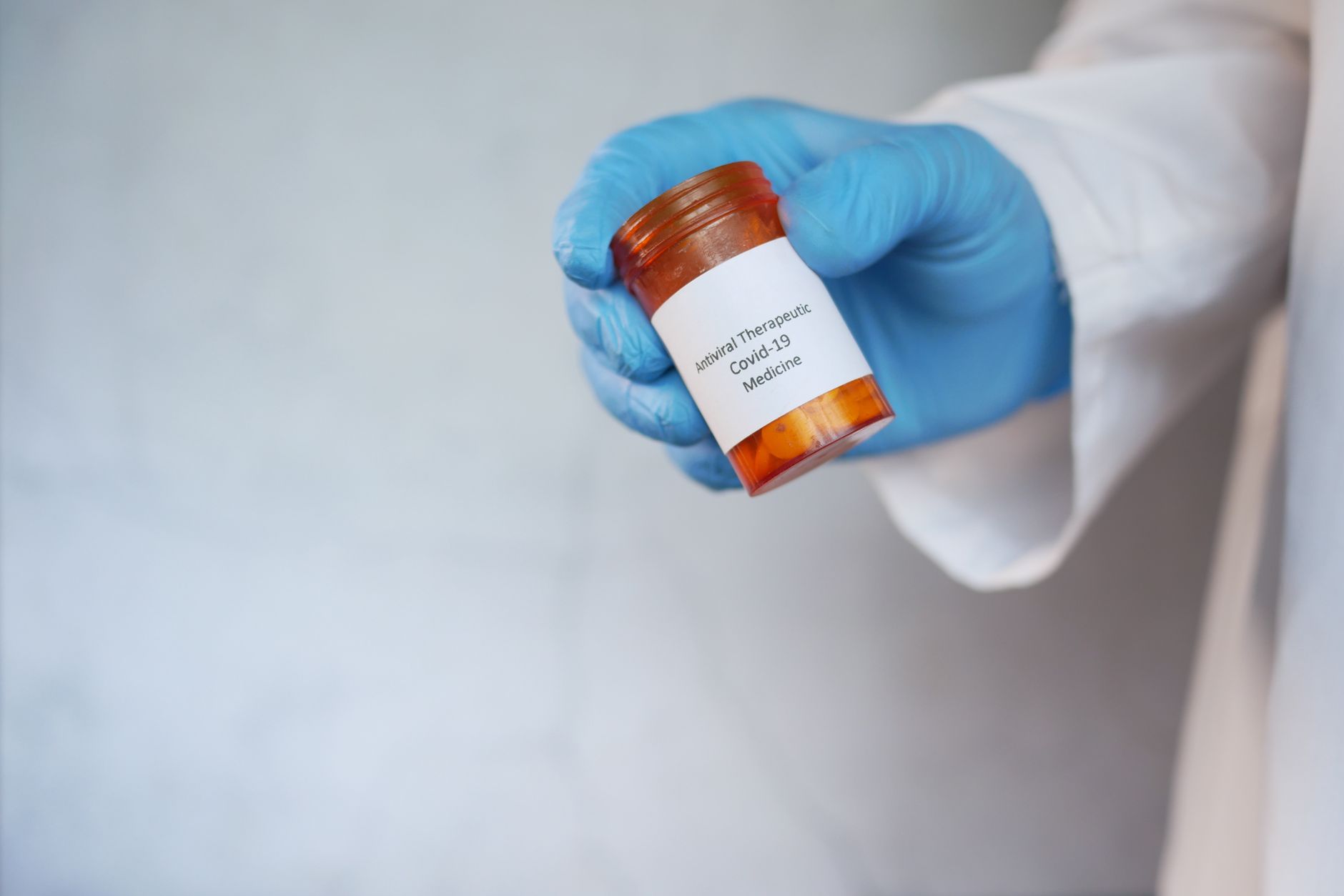
What is CellCept? CellCept, with the generic name mycophenolate mofetil, is a vital prescription medication primarily used to prevent organ rejection in patients who have undergone transplants such as liver, heart, or kidney transplants. Organ rejection occurs when the recipient's immune system mistakenly identifies the transplanted organ as foreign and attacks it. CellCept works by suppressing the immune system's activity, thereby reducing the chances of rejection and helping the transplanted organ function properly. It is available in various oral forms, including tablets, capsules, and a liquid suspension, as well as an intravenous (IV) infusion administered by a healthcare professional. Potential Interactions with Other Medications It is crucial for patients taking CellCept to be aware of potential interactions with other drugs, as these can alter the effectiveness of CellCept or increase the risk of adverse effects. An interaction occurs when one substance changes how another substance works in the body. Your doctor or pharmacist is the best resource for understanding these interactions and managing your medication regimen safely. Antacids and Bile Acid Sequestrants Certain antacids, like sodium bicarbonate (baking soda), and bile acid sequestrants can interact with CellCept. If you are prescribed both CellCept and an antacid, your doctor might advise you to take the antacid at least 2 hours after your CellCept dose. Similarly, if you are taking a bile acid sequestrant, your doctor may instruct you to wait at least 2 hours after taking CellCept before taking the sequestrant. These timing adjustments help ensure that the antacid or sequestrant does not interfere with the absorption and effectiveness of CellCept. Other Drug Interactions While the list of potential drug interactions is extensive, some common examples include: Certain antibiotics: Some antibiotics may affect the levels of CellCept in your body. Immunosuppressants: While CellCept itself is an immunosuppressant, combining it with other drugs that suppress the immune system requires careful monitoring by your doctor. Certain antiviral medications: Interactions can occur, potentially affecting the efficacy of either medication. It is imperative to inform your doctor about all medications, including over-the-counter drugs, herbal supplements, and vitamins, that you are currently taking or plan to take. This comprehensive disclosure allows your doctor to assess potential risks and make necessary adjustments to your treatment plan. Interactions with Food and Drink Food Consumption The way you consume CellCept with food is critical for its effectiveness. It is generally recommended that you do not eat food for at least 2 hours before and 1 hour after taking CellCept. Consuming food close to the time of taking CellCept can decrease the amount of the drug absorbed into your bloodstream, potentially making it less effective in preventing organ rejection. Always follow your doctor's specific instructions regarding food intake with your medication. Alcohol Consumption While CellCept itself is not known to directly interact with alcohol, consuming alcohol can have detrimental effects on a transplanted organ. Since CellCept is used to protect transplanted organs, it is advisable for patients to limit or avoid alcohol consumption to support the health and longevity of the transplanted organ. Discuss your alcohol intake with your doctor to understand the specific risks involved. Important Considerations and Precautions Pregnancy and CellCept CellCept can cause serious harm to a developing fetus and is generally not recommended during pregnancy. If you are pregnant, planning to become pregnant, or breastfeeding, it is crucial to discuss this with your doctor before starting CellCept. Your doctor may recommend alternative treatments or discuss the risks and benefits of continuing CellCept during pregnancy. For those who do take CellCept during pregnancy, enrolling in the drug's pregnancy registry is highly encouraged. This registry collects important information about pregnancy outcomes and can help healthcare providers better understand the drug's effects. You can learn more by calling 800-617-8191 or speaking with your doctor. Blood and Semen Donation Patients taking CellCept should refrain from donating blood or semen. Specific waiting periods are required after discontinuing the medication before donation can resume. You should wait at least 6 weeks after stopping CellCept to donate blood and at least 90 days after stopping the drug to donate semen. This precaution is in place to ensure that the medication does not pose a risk to recipients of blood or semen. Allergic Reactions A significant contraindication for CellCept is a history of allergic reactions to the drug or its ingredients. If you have previously experienced an allergic reaction to CellCept, your doctor will likely prescribe an alternative medication to avoid a recurrence. Discuss any known allergies with your healthcare provider. When to Consult Your Doctor It is essential to maintain open communication with your healthcare provider throughout your treatment with CellCept. You should consult your doctor immediately if you experience any of the following: Signs of an allergic reaction (e.g., rash, itching, swelling, severe dizziness, trouble breathing). Any new or worsening symptoms or side effects. If you become pregnant or plan to become pregnant while taking CellCept. If you have questions about drug interactions, food, or alcohol consumption. Before starting any new medications or supplements. Your doctor will monitor your condition and adjust your treatment as needed to ensure the best possible outcome and minimize potential risks associated with CellCept therapy. Conclusion CellCept is a powerful medication that plays a critical role in preventing organ rejection. Understanding its potential interactions with other drugs, food, and lifestyle choices is paramount for patient safety and treatment efficacy. Always adhere to your doctor's guidance, report all
In summary, timely diagnosis, evidence-based treatment, and prevention-focused care improve long-term health outcomes.
Visit Hospital
Near You
Learn about kidney transplant options in Narendrapur, recovery, and donor criteria. Expert insights for informed decisions.
May 19, 2026
Explore LASIK eye surgery in Madhepura. Learn about eligibility, the procedure, benefits, risks, and costs from trusted specialists.
May 19, 2026
Explore LASIK surgery in Nalanda. Understand eligibility, the procedure, recovery, and costs for vision correction at leading eye clinics.
May 19, 2026