

Emergency & Help
24/7 Emergency & General Advisory
🚨 24/7 Medical Emergency
Non-Emergency Advisory
10:00 AM – 6:00 PM, Mon–Sat
For appointments & general queries.
24/7 Emergency & General Advisory
🚨 24/7 Medical Emergency
Non-Emergency Advisory
10:00 AM – 6:00 PM, Mon–Sat
For appointments & general queries.
Stay updated with our latest healthcare news and your appointments.
Demystifying 'Alcohol Denat.' in your skincare and personal care products. Understand its uses, safety, and potential effects on skin and hair.
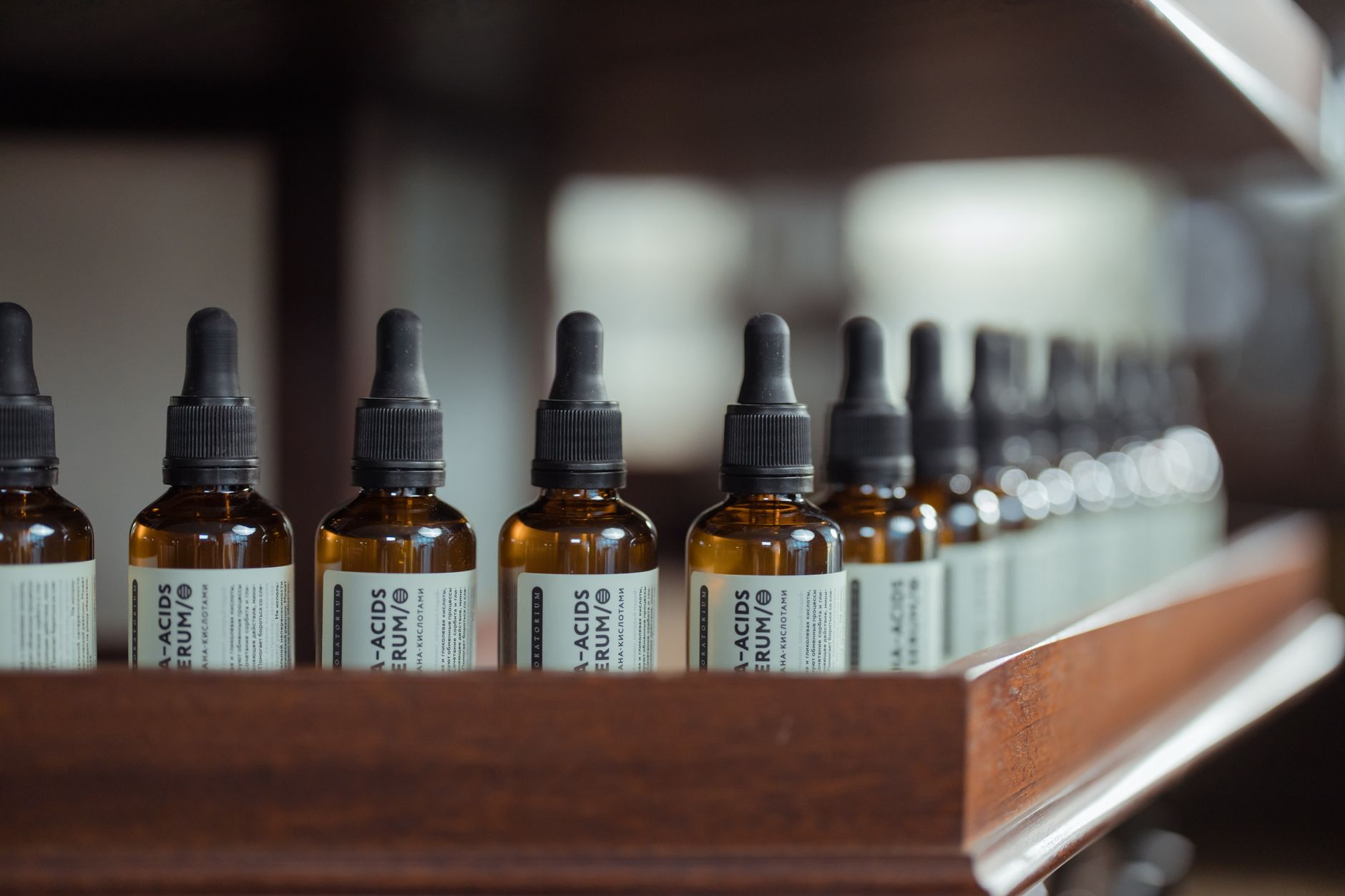
Have you ever picked up a skincare product, a hairspray, or even a hand sanitizer and noticed the ingredient 'Alcohol Denat.' listed? It might sound a bit technical and even concerning, especially with 'alcohol' in the name. Many people wonder if it's the same kind of alcohol found in beverages and if it's safe to use on their skin or hair. Let's clear the air and understand what denatured alcohol really is, why it's used, and how it impacts the products we use daily.
At its core, denatured alcohol is simply ethanol, the type of alcohol produced through fermentation that is also found in alcoholic drinks. However, the 'denatured' part is key. To make it unfit for human consumption and to avoid certain taxes associated with beverages, manufacturers add specific denaturants – substances that make it toxic or unpleasant to drink. These additives can include things like methanol, acetone, methyl ethyl ketone, or bittering agents like denatonium. They might also add a dye to make it easily distinguishable from drinking alcohol.
The primary reason for denaturing alcohol is to create a readily available, lower-cost form of ethanol for industrial, commercial, and cosmetic uses. It's a versatile ingredient that plays several important roles in the products we encounter.
Denatured alcohol serves multiple functions, making it a popular choice for formulators:
This is where many people have concerns. While denatured alcohol is toxic if ingested, its safety when used topically – on skin and hair – is generally considered acceptable at the concentrations found in cosmetic and personal care products. However, it's not without its potential downsides.
Potential Downsides for Skin:
Potential Downsides for Hair:
The Role of Concentration and Formulation:
It's important to remember that not all alcohols are created equal, and the concentration matters. In skincare, you'll often see different types of alcohols listed. Short-chain alcohols like SD alcohol (a type of denatured alcohol) and isopropyl alcohol are known for their drying effects. However, there are also 'fatty alcohols' (like cetyl, stearyl, and cetearyl alcohol) which are derived from fats and oils. These are often beneficial for the skin, acting as emollients and moisturizers.
When denatured alcohol is used in a well-formulated product, manufacturers often balance its effects by including moisturizing ingredients like glycerin, hyaluronic acid, fatty alcohols, or plant oils. These help to counteract the drying properties of denatured alcohol, making the product more tolerable for the skin.
A common scenario: Sarah notices her favorite toner contains 'Alcohol Denat.' She has dry, sensitive skin and worries it will make her face feel tight and irritated after cleansing. She decides to test it by applying it just to one side of her face after washing. She finds that while it feels a bit tingly initially, her moisturizer quickly soothes any dryness, and she doesn't experience significant redness or tightness that day. She decides to continue using it but pays close attention to how her skin feels over the next few weeks.
Hand sanitizers are a prime example of where denatured alcohol plays a critical role. As the COVID-19 pandemic highlighted, effective hand sanitizers are essential for public health. The FDA recommends using hand sanitizers that contain at least 60% ethanol (often denatured alcohol) to effectively kill viruses and bacteria when soap and water aren't available.
Key points for hand sanitizers:
While many DIY recipes circulate online, experts strongly advise against making your own hand sanitizer. The precise concentration of alcohol is critical for its effectiveness. Using too little alcohol means the sanitizer won't kill germs properly. Using too much can be excessively drying and potentially irritating. Furthermore, ensuring the purity and safety of the ingredients can be challenging outside of controlled manufacturing environments. It's best to purchase FDA-approved hand sanitizers.
If you have very dry, eczema-prone, or highly sensitive skin, you might want to be more selective about products containing high concentrations of denatured alcohol, especially those that don't include significant moisturizing agents. Always perform a patch test on a small area of skin before applying a new product all over your face or body.
What to look for:
Rubbing alcohol is typically isopropyl alcohol, which is also a type of alcohol denatured for external use. While both are used for cleaning and disinfecting, they are different chemical compounds and may have slightly different properties and effects on the skin.
No, you should avoid applying products containing denatured alcohol to broken or wounded skin. The alcohol can cause stinging, burning, and further irritation, hindering the healing process.
Yes, denatured alcohol often has a strong, pungent odor due to the additives used to make it undrinkable. These additives are sometimes chosen specifically for their unpleasant smell.
Ingesting denatured alcohol is extremely dangerous and can lead to rapid onset of alcohol poisoning symptoms. These include confusion, vomiting, drowsiness, slowed breathing, hypothermia, seizures, and potentially death. If ingestion is suspected, seek immediate medical attention.
No. While short-chain alcohols like Alcohol Denat. can be drying, fatty alcohols (like Cetyl Alcohol, Stearyl Alcohol) are beneficial for skin hydration and texture. Always check the specific type of alcohol listed in the ingredients.
In summary, denatured alcohol (Alcohol Denat.) is a widely used and generally safe ingredient in many personal care products when used as directed. Its primary purpose is to act as a solvent, preservative, or drying agent. While it can cause dryness or irritation for some, particularly in high concentrations or on sensitive skin, its benefits in formulations like hand sanitizers and its role in creating stable cosmetic products are significant. By understanding its properties and choosing products formulated with moisturizing agents, you can confidently use products containing denatured alcohol.
Visit Hospital
Near You
Learn about kidney transplant options in Narendrapur, recovery, and donor criteria. Expert insights for informed decisions.
May 19, 2026
Explore LASIK eye surgery in Madhepura. Learn about eligibility, the procedure, benefits, risks, and costs from trusted specialists.
May 19, 2026
Explore LASIK surgery in Nalanda. Understand eligibility, the procedure, recovery, and costs for vision correction at leading eye clinics.
May 19, 2026