

Emergency & Help
24/7 Emergency & General Advisory
🚨 24/7 Medical Emergency
Non-Emergency Advisory
10:00 AM – 6:00 PM, Mon–Sat
For appointments & general queries.
24/7 Emergency & General Advisory
🚨 24/7 Medical Emergency
Non-Emergency Advisory
10:00 AM – 6:00 PM, Mon–Sat
For appointments & general queries.
Stay updated with our latest healthcare news and your appointments.
Learn about potential interactions with Vyvanse, including alcohol, other medications, and health conditions. Essential information for safe use in India.
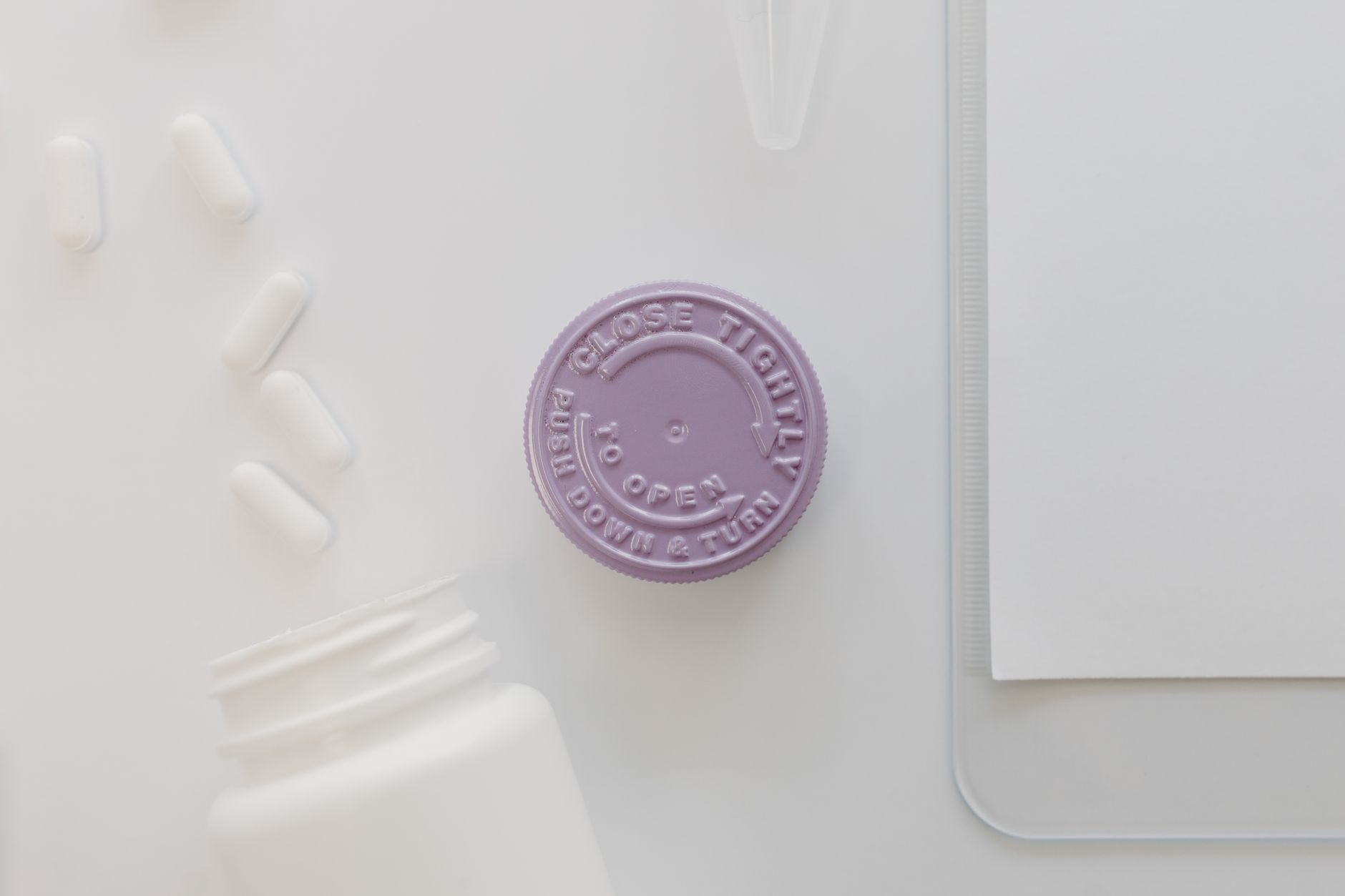
Vyvanse, known generically as lisdexamfetamine, is a powerful prescription medication primarily used to manage Attention Deficit Hyperactivity Disorder (ADHD) in both adults and children, as well as Binge Eating Disorder (BED) in adults. It belongs to a class of drugs called stimulants, which work by affecting the balance of certain natural chemicals in the brain. While Vyvanse can be highly effective, it's crucial to understand that, like many medications, it can interact with other substances, including alcohol, other drugs, and even certain health conditions. These interactions can alter how Vyvanse works in your body, potentially leading to unexpected side effects or reduced effectiveness. This guide aims to provide a comprehensive overview of Vyvanse interactions, focusing on practical advice for individuals in India.
A drug interaction occurs when a substance, such as another medication, food, or drink, affects how a drug works in your body. This can happen in several ways:
It's also important to consider that certain pre-existing health conditions can increase the risk of adverse effects when taking Vyvanse. These are known as contraindications, where the medication may not be suitable for you.
Before starting Vyvanse, your doctor will assess your health history to ensure it's safe for you. Certain conditions or past reactions may prevent you from taking Vyvanse. These include:
The manufacturer of Vyvanse does not explicitly state that alcohol must be avoided. However, it is possible for alcohol to interact with Vyvanse. Both alcohol and Vyvanse can independently increase blood pressure. Combining them may lead to a more significant rise in blood pressure, which can be dangerous, especially for individuals with pre-existing cardiovascular issues.
Recommendation: If you are considering consuming alcohol while taking Vyvanse, it is essential to discuss this with your doctor. They can help you understand the potential risks based on your individual health status and advise on a safe amount, if any, of alcohol consumption.
Be aware that some common over-the-counter (OTC) medications, particularly cold and cough remedies, may contain alcohol. For instance, certain formulations of NyQuil contain alcohol and other ingredients that could interact with Vyvanse. Your doctor might suggest alternatives, like DayQuil, which addresses similar symptoms but typically without alcohol.
Actionable Advice: Always inform your doctor and pharmacist about all the medications you are taking, including OTC drugs, herbal supplements, and any substances you plan to use. They can help identify potential interactions.
Vyvanse can interact with a wide range of other medications. It is paramount to provide your doctor and pharmacist with a complete list of all drugs you are currently taking. This includes:
Important Note: The list of potential drug interactions is extensive and not exhaustive. Always consult your healthcare provider for personalized advice.
Let's delve deeper into some common and critical interactions:
SSRIs are commonly prescribed for depression and anxiety disorders. Vyvanse, being a stimulant, can affect neurotransmitter levels, including serotonin. When taken together with SSRIs, there's an increased risk of developing serotonin syndrome. Symptoms can range from mild (shivering, diarrhea) to severe (muscle rigidity, fever, seizures) and require immediate medical attention.
As mentioned earlier, this is one of the most dangerous interactions. MAOIs prevent the breakdown of certain neurotransmitters. Vyvanse increases the levels of these neurotransmitters. Combining them can lead to a hypertensive crisis – a sudden, severe spike in blood pressure that can cause stroke, heart attack, or death. The 14-day window after stopping an MAOI is crucial because the drug can still be active in the body.
Medications that reduce stomach acidity, such as proton pump inhibitors (PPIs) or H2 blockers, can alter the pH of the stomach. This change can affect how Vyvanse is absorbed and processed by the body, potentially altering its effectiveness. Your doctor might adjust your Vyvanse dosage or recommend a specific timing for taking these medications.
It is essential to consult your doctor or pharmacist in the following situations:
The best approach to managing Vyvanse interactions is through open communication with your healthcare provider and diligent self-monitoring:
Paracetamol is generally considered safe to take with Vyvanse, but it's always best to confirm with your doctor or pharmacist, especially if you are taking multiple medications or have underlying health conditions.
If you have consumed alcohol and are taking Vyvanse, monitor yourself for any adverse effects like increased heart rate, dizziness, or significant changes in blood pressure. If you experience any concerning symptoms, contact your doctor immediately.
Yes, some herbal supplements can interact with Vyvanse. For example, St. John's Wort, often used for depression, can interact with stimulant medications. Always inform your doctor about any herbal remedies you are using.
You typically need to wait at least 14 days after stopping an MAOI before starting Vyvanse to avoid the risk of a hypertensive crisis. Always follow your doctor's specific instructions.
Yes, as a stimulant, Vyvanse can cause insomnia or disrupt sleep patterns. It's usually recommended to take it earlier in the day to minimize this effect. Discuss any sleep disturbances with your doctor.
Vyvanse is an important medication for managing ADHD and BED, but understanding its potential interactions is key to safe and effective treatment. By maintaining open communication with your healthcare provider, being vigilant about the substances you consume, and following medical advice, you can significantly minimize the risks associated with Vyvanse interactions. Always prioritize your health and consult professionals for any concerns.
Visit Hospital
Near You
Learn about kidney transplant options in Narendrapur, recovery, and donor criteria. Expert insights for informed decisions.
May 19, 2026
Explore LASIK eye surgery in Madhepura. Learn about eligibility, the procedure, benefits, risks, and costs from trusted specialists.
May 19, 2026
Explore LASIK surgery in Nalanda. Understand eligibility, the procedure, recovery, and costs for vision correction at leading eye clinics.
May 19, 2026