

Emergency & Help
24/7 Emergency & General Advisory
🚨 24/7 Medical Emergency
Non-Emergency Advisory
10:00 AM – 6:00 PM, Mon–Sat
For appointments & general queries.
24/7 Emergency & General Advisory
🚨 24/7 Medical Emergency
Non-Emergency Advisory
10:00 AM – 6:00 PM, Mon–Sat
For appointments & general queries.
Stay updated with our latest healthcare news and your appointments.
Explore the common and serious side effects of Zoladex (goserelin), a vital medication for prostate cancer, breast cancer, and endometriosis. Learn about management strategies, dosage differences, and when to seek medical advice.
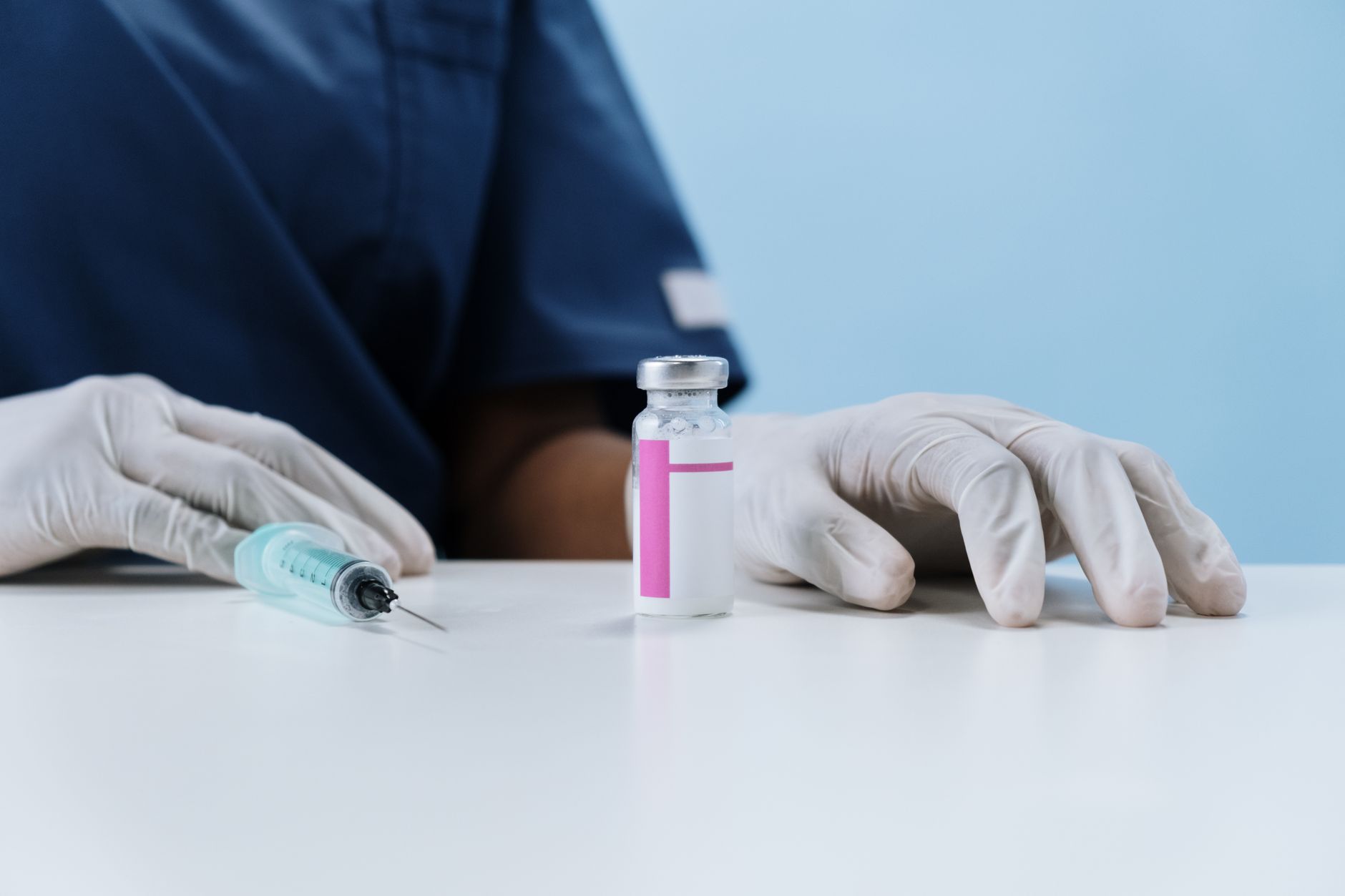
Zoladex, a powerful medication prescribed for conditions like prostate cancer, advanced breast cancer, and endometriosis, works by regulating hormone levels in the body. While it offers significant therapeutic benefits, like any potent drug, it comes with a spectrum of potential side effects. Understanding these effects, both common and less frequent, is key to managing your treatment effectively and ensuring your well-being. This guide aims to shed light on what you might experience, how to cope, and when to seek professional medical advice. Remember, your doctor is your primary partner in navigating your treatment journey. Always discuss any concerns or changes you notice with them promptly.
Zoladex is a brand name for the drug goserelin. It belongs to a class of medications called gonadotropin-releasing hormone (GnRH) agonists. Essentially, it works by suppressing the production of certain hormones, specifically testosterone in men and estrogen in women. This hormone suppression is incredibly useful in treating hormone-sensitive cancers, such as:
The medication is typically administered as an implant under the skin, releasing the active drug slowly over a period of weeks or months, depending on the dosage (e.g., 3.6 mg implant for one month or 10.8 mg implant for three months).
It's important to remember that not everyone experiences side effects, and their severity can vary greatly from person to person. The type and frequency of side effects can also depend on the condition being treated.
The hormonal changes in men can lead to several common side effects:
Women may experience side effects related to estrogen suppression:
While common side effects are often manageable, it's crucial to be aware of signs that might indicate a more serious issue. Prompt medical attention is vital if you experience any of the following:
Zoladex can reduce bone mineral density (BMD) in both men and women over time. This is because lowering sex hormones can lead to bone thinning, increasing the risk of osteoporosis and fractures. Your doctor may monitor your BMD and recommend strategies to protect your bones, such as calcium and vitamin D supplements, and weight-bearing exercises, if appropriate.
Some studies have suggested a potential link between GnRH agonists like Zoladex and an increased risk of certain heart problems, including heart attack and stroke, particularly in men with pre-existing heart disease. Symptoms to watch for include chest pain, shortness of breath, sudden numbness or weakness on one side of the body, or severe headaches.
Although rare, severe allergic reactions can occur. Signs include swelling of the face, lips, tongue, or throat; difficulty breathing; hives; or a severe rash. If you experience any of these symptoms, seek emergency medical help immediately by calling 911 or your local emergency number.
While mood changes are common, severe depression, suicidal thoughts, or significant behavioral shifts warrant immediate medical evaluation. This is particularly noted in women treated for breast cancer or endometriosis.
In rare cases, Zoladex can affect liver function. Signs might include yellowing of the skin or eyes (jaundice), dark urine, or persistent nausea and vomiting.
Seizures have been reported rarely. If you have a history of seizures or develop one during treatment, inform your doctor immediately.
Living with side effects can be challenging, but many can be managed with the right strategies and open communication with your healthcare provider.
The choice between the 3.6 mg implant (monthly) and the 10.8 mg implant (every three months) often depends on the condition being treated and the doctor's assessment. Studies suggest that the effectiveness and overall side effect profile are similar between these two doses. However, the longer-acting 10.8 mg implant offers the convenience of less frequent injections.
For women who haven't gone through menopause, stopping Zoladex typically leads to the return of menstrual periods within about 12 weeks. The duration of treatment is usually long-term for conditions like advanced prostate cancer and breast cancer, but may be shorter for abnormal uterine bleeding.
It is essential to maintain regular contact with your healthcare provider throughout your Zoladex treatment. Contact your doctor immediately if you experience:
Never stop or alter your dosage of Zoladex without consulting your doctor.
While Zoladex is prescribed for specific medical conditions, adopting a healthy lifestyle can support your overall well-being during treatment:
Yes, Zoladex can cause a temporary absence of menstruation (amenorrhea) in women who haven't gone through menopause, as it suppresses estrogen production. Periods usually return within about 12 weeks after stopping the medication.
While not listed as a common side effect, hormonal changes can sometimes affect metabolism and appetite, potentially leading to weight changes. Discuss any significant weight gain or loss with your doctor.
Treatment duration varies depending on the condition. It's often long-term for advanced prostate or breast cancer but can be shorter for other conditions like abnormal uterine bleeding.
Studies indicate that the side effects are generally similar between the 3.6 mg and 10.8 mg implants. The main difference is the duration of release and the dosing schedule.
Talk to your doctor. They can discuss management strategies, which might include lifestyle adjustments or, in some cases, short-term medication to alleviate severe symptoms.
Navigating treatment with Zoladex requires vigilance and open communication. By understanding the potential side effects and working closely with your healthcare team, you can manage your treatment effectively and maintain the best possible quality of life.
Visit Hospital
Near You
Learn about kidney transplant options in Narendrapur, recovery, and donor criteria. Expert insights for informed decisions.
May 19, 2026
Explore LASIK eye surgery in Madhepura. Learn about eligibility, the procedure, benefits, risks, and costs from trusted specialists.
May 19, 2026
Explore LASIK surgery in Nalanda. Understand eligibility, the procedure, recovery, and costs for vision correction at leading eye clinics.
May 19, 2026