

Emergency & Help
24/7 Emergency & General Advisory
🚨 24/7 Medical Emergency
Non-Emergency Advisory
10:00 AM – 6:00 PM, Mon–Sat
For appointments & general queries.
24/7 Emergency & General Advisory
🚨 24/7 Medical Emergency
Non-Emergency Advisory
10:00 AM – 6:00 PM, Mon–Sat
For appointments & general queries.
Stay updated with our latest healthcare news and your appointments.
Explore practical, natural ways for Indians to manage anxiety. Discover herbal remedies, lifestyle changes like exercise and sleep, and mindfulness techniques for a calmer life.
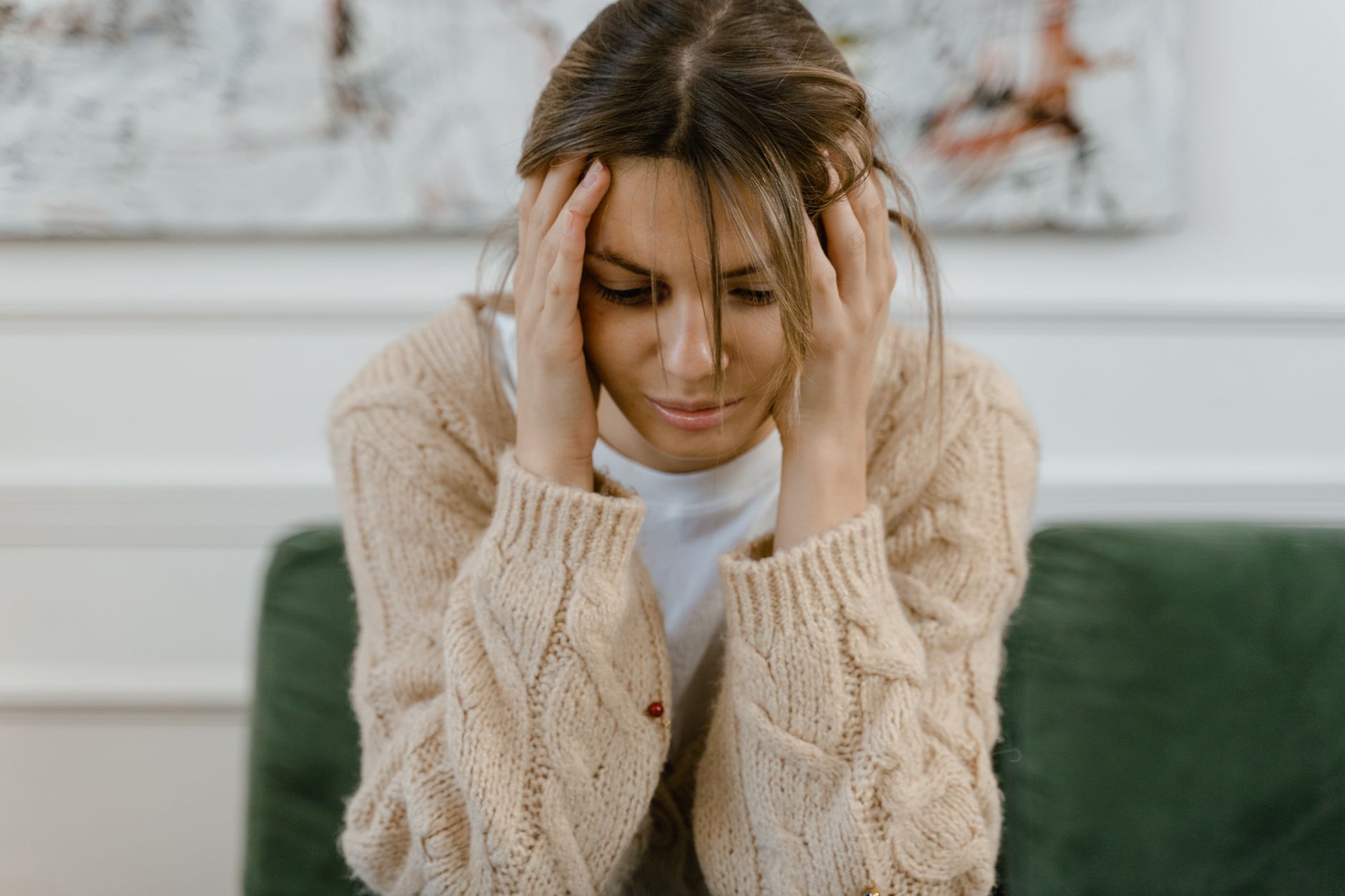
Feeling overwhelmed? The weight of daily life in India, with its unique pressures and demands, can sometimes lead to overwhelming anxiety. Many of us experience moments of worry, nervousness, or even panic. While professional help is invaluable, did you know that nature and simple lifestyle changes offer powerful, accessible ways to find calm? This guide is for you, the everyday Indian navigating these feelings. We'll explore practical, natural strategies you can weave into your life, drawing from ancient wisdom and modern understanding, to help you manage anxiety and reclaim your peace. Forget complex jargon; let's talk real solutions for real people.
Anxiety isn't just a feeling; it's a complex response that can manifest physically and mentally. In India, societal expectations, family responsibilities, career pressures, and even economic uncertainties can contribute significantly to feelings of anxiety. It's a common experience, and recognizing it is the first step towards managing it. Symptoms can range from a racing heart and shortness of breath to persistent worry, difficulty concentrating, and sleep disturbances. It's not a sign of weakness, but a signal from your body and mind that something needs attention.
For centuries, Indian traditional medicine systems like Ayurveda have recognized the power of herbs in balancing the mind. Many of these natural remedies are readily available and can be incorporated into your daily routine.
Often called 'Babuna' in India, chamomile is renowned for its calming properties. Its gentle sedative effects can help ease nervousness and promote relaxation. A warm cup before bedtime can be a wonderful ritual to prepare for restful sleep.
How to use: Steep a chamomile tea bag or dried chamomile flowers in hot water for 5-10 minutes. Add a touch of honey if desired, but avoid excessive sugar.
Ashwagandha is a powerful adaptogen, meaning it helps your body adapt to stress. It's believed to help regulate cortisol levels, the body's stress hormone. Regular use can contribute to a sense of calm and improved resilience.
How to use: Ashwagandha is available in powder, capsule, or tincture form. Follow the dosage instructions on the product packaging or consult an Ayurvedic practitioner.
The soothing aroma of lavender is well-documented. Aromatherapy, using lavender essential oil, can significantly impact mood and reduce anxiety symptoms. Inhaling the scent can lower heart rate and blood pressure.
How to use: Add a few drops of lavender essential oil to a diffuser, a warm bath, or a tissue to inhale. Ensure you are using pure, therapeutic-grade essential oil and follow safety guidelines.
Beyond herbs, simple adjustments to your daily habits can make a profound difference. These aren't quick fixes, but sustainable practices for long-term well-being.
Regular physical activity is one of the most effective ways to combat anxiety. Exercise releases endorphins, your body's natural mood lifters, and can provide relief that lasts for hours. It doesn't have to be strenuous; a brisk walk in your neighbourhood, a session of yoga, or even dancing to your favourite Bollywood tunes can be incredibly beneficial.
Tips for incorporating exercise:
Anxiety and insomnia are often intertwined. Poor sleep can exacerbate anxiety, creating a vicious cycle. Prioritizing quality sleep is essential for mental and physical recovery.
Tips for better sleep:
Practicing mindfulness means paying attention to the present moment without judgment. Simple deep breathing exercises can activate the body's relaxation response, calming the nervous system.
Simple Deep Breathing Exercise:
What you eat directly impacts your mood and energy levels. A balanced diet rich in whole foods can help stabilize blood sugar and reduce inflammation, both of which can affect anxiety levels.
Focus on:
Limit:
While natural remedies and lifestyle changes are powerful tools, they are not a substitute for professional medical advice. If your anxiety is severe, persistent, or significantly interfering with your daily life, it's crucial to consult a doctor or mental health professional. They can help diagnose the underlying cause and recommend appropriate treatments, which may include therapy (like Cognitive Behavioral Therapy - CBT) or medication if necessary.
Remember, seeking help is a sign of strength, not weakness. There are many effective treatments available, and you don't have to go through this alone.
A1: Natural remedies and lifestyle changes can significantly manage and reduce anxiety symptoms for many people. However, for some, especially those with severe anxiety disorders, they may be most effective when used alongside professional treatment like therapy or medication. They are excellent for support and prevention.
A2: The timeline varies greatly from person to person. Some individuals might feel a difference within days of starting a new practice like deep breathing or drinking chamomile tea. Others might notice gradual improvements over weeks or months with consistent exercise and sleep hygiene. Patience and consistency are key.
A3: While generally considered safe, Ashwagandha can sometimes cause mild side effects like digestive upset or drowsiness in some individuals. It's important to start with a low dose and consult with an Ayurvedic practitioner or your doctor, especially if you have pre-existing health conditions or are taking other medications. Always source high-quality herbs.
A4: It's essential to exercise caution. While chamomile tea is generally considered safe in moderation, it's always best to consult your doctor or a qualified healthcare provider before using any herbs or making significant lifestyle changes during pregnancy or while breastfeeding. They can advise on what is safe and appropriate for your specific situation.
This section adds practical context and preventive advice to help readers make informed healthcare decisions. It is important to verify symptoms early, consult qualified doctors, and avoid self-medication for persistent health issues.
Maintaining healthy routines, following prescribed treatment plans, and attending regular checkups can improve outcomes. If symptoms worsen or red-flag signs appear, immediate medical evaluation is recommended.
Track symptoms and duration.
Follow diagnosis and treatment from a licensed practitioner.
Review medication side effects with your doctor.
Seek urgent care for severe warning signs.
Visit Hospital
Near You
Discover effective stroke rehabilitation in Alipurduar. Learn about therapies, recovery strategies, and finding the right care for regaining independence.
May 20, 2026
Discover how to find a top obstetrician in Madhyamgram. Learn key factors and what to look for in maternal care.
May 20, 2026
Find top diabetes clinics in Purba Medinipur. Get expert endocrinologists, advanced treatments, and comprehensive diabetes management.
May 20, 2026