

Emergency & Help
24/7 Emergency & General Advisory
🚨 24/7 Medical Emergency
Non-Emergency Advisory
10:00 AM – 6:00 PM, Mon–Sat
For appointments & general queries.
24/7 Emergency & General Advisory
🚨 24/7 Medical Emergency
Non-Emergency Advisory
10:00 AM – 6:00 PM, Mon–Sat
For appointments & general queries.
Stay updated with our latest healthcare news and your appointments.
Learn about melissophobia, the intense fear of bees. Discover its causes, symptoms, and practical strategies for coping and management, including when to seek professional help.
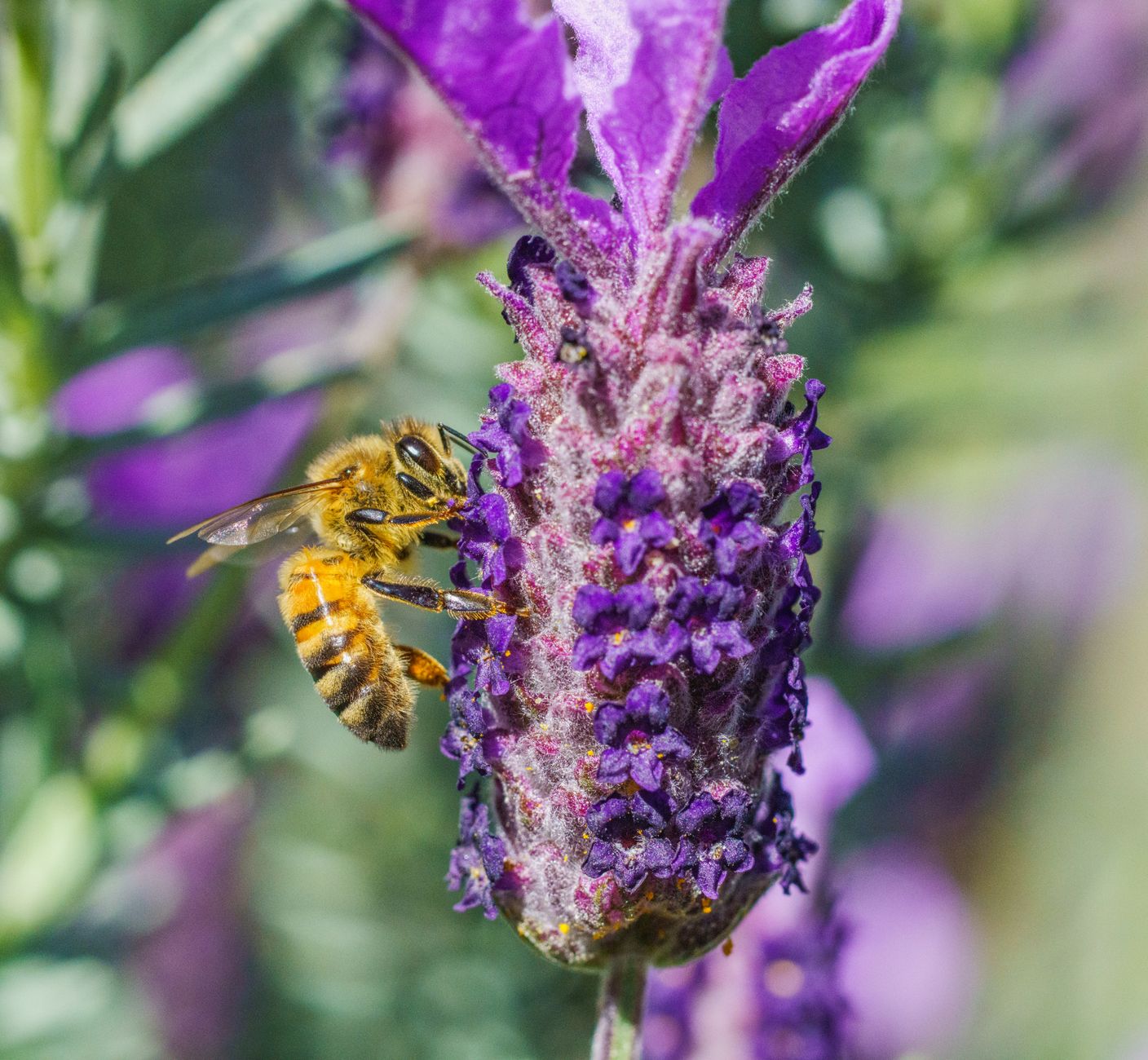
The buzz of a bee can send shivers down the spine for many, but for some, this reaction escalates into an intense, overwhelming fear known as melissophobia, or apiphobia. This isn't just a mild dislike; it's a specific phobia, a type of anxiety disorder characterized by a deep, irrational dread of bees. While insect-related phobias are quite common, understanding melissophobia is the first step towards managing it effectively. In India, where agriculture and natural environments are prevalent, encountering bees is a reality for many, making this fear particularly challenging.
The National Institute of Mental Health suggests that about 12.5 percent of adults experience a specific phobia at some point in their lives. Melissophobia falls into this category, and it can significantly impact a person's daily life, leading them to avoid outdoor activities, gardens, or even certain types of food that might attract bees.
Melissophobia, also known as apiphobia, is an intense and persistent fear of bees. This fear is disproportionate to the actual danger posed by bees and can trigger significant anxiety. People with this phobia often recognize that their fear is irrational, yet they find themselves unable to control the overwhelming sense of panic.
This condition is classified as a specific phobia, which means it's an anxiety disorder focused on a particular object or situation. Unlike general anxiety, specific phobias are triggered by direct exposure or even the thought of the feared object. For melissophobia, this means the mere sight of a bee, a picture of a bee, or even thinking about bees can provoke a strong fear response.
The exact cause of phobias, including melissophobia, isn't always clear, but several factors are believed to contribute:
Most people do not notice early warning signs right away. That is common. A simple symptom diary, basic routine checks, and timely follow-up visits can prevent small problems from becoming serious.
If you are already on treatment, stay consistent with medicines and lifestyle advice. If your symptoms change, do not guess. Check with a qualified doctor and update your plan early.
Write down symptoms, triggers, and timing for a few days.
Carry old prescriptions and test reports to your consultation.
Ask clearly about side effects, red-flag signs, and follow-up dates.
Seek urgent care for severe pain, breathing trouble, bleeding, fainting, or sudden worsening.
Visit Hospital
Near You
Discover effective stroke rehabilitation in Alipurduar. Learn about therapies, recovery strategies, and finding the right care for regaining independence.
May 20, 2026
Discover how to find a top obstetrician in Madhyamgram. Learn key factors and what to look for in maternal care.
May 20, 2026
Find top diabetes clinics in Purba Medinipur. Get expert endocrinologists, advanced treatments, and comprehensive diabetes management.
May 20, 2026