

Emergency & Help
24/7 Emergency & General Advisory
🚨 24/7 Medical Emergency
Non-Emergency Advisory
10:00 AM – 6:00 PM, Mon–Sat
For appointments & general queries.
24/7 Emergency & General Advisory
🚨 24/7 Medical Emergency
Non-Emergency Advisory
10:00 AM – 6:00 PM, Mon–Sat
For appointments & general queries.
Stay updated with our latest healthcare news and your appointments.
Finding the right therapist can feel overwhelming — especially when you're already struggling. This practical guide cuts through the confusion with evidence-based advice on what to look for, what questions to ask, and how to evaluate the fit before committing
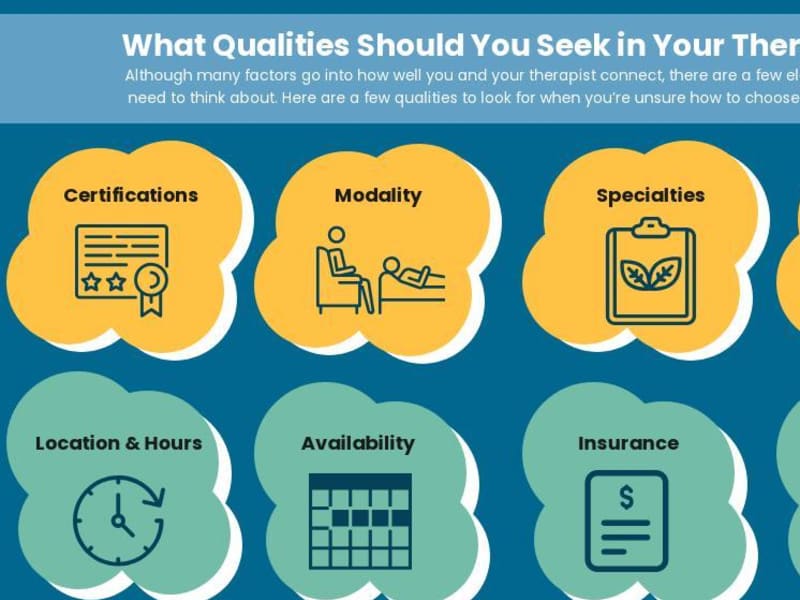
Finding the right therapist is one of the most important decisions you can make for your mental health. Here's a practical, expert guide to help you choose wisely.
Deciding to seek therapy is a significant step. What follows that decision — finding the right therapist — can feel equally daunting. The therapeutic relationship is the most consistently identified predictor of therapy outcomes, outweighing technique or modality in research terms. This means who you see matters enormously, and choosing thoughtfully rather than defaulting to whoever is available first is worth the additional effort.
Before searching for a therapist, a basic understanding of the major therapeutic modalities helps target your search:
Cognitive Behavioural Therapy (CBT): The most evidence-based therapy for anxiety disorders, depression, OCD, and PTSD. Structured, skills-focused, and typically time-limited (8–20 sessions).
EMDR (Eye Movement Desensitisation and Reprocessing): Gold-standard treatment for PTSD and complex trauma. Involves bilateral stimulation during trauma memory processing.
Dialectical Behaviour Therapy (DBT): Developed for borderline personality disorder; also effective for self-harm, emotional dysregulation, and eating disorders. Combines CBT with mindfulness and distress tolerance skills.
Acceptance and Commitment Therapy (ACT): Combines mindfulness and values clarification with behavioural change. Strong evidence for anxiety, depression, and chronic pain.
Psychodynamic therapy: Explores unconscious patterns, relational dynamics, and early experiences. Suits those who prefer insight-oriented work over skills training.
Interpersonal Therapy (IPT): Focused specifically on relationship patterns and their role in depression. Time-limited; evidence base comparable to CBT for depression.
Verify credentials: In the UK, look for BACP, UKCP, or BPS accreditation. In the US, look for LCSW, PhD, PsyD, or LPC licensure. Avoid unaccredited practitioners for mental health conditions.
Match modality to problem: Use what's known about evidence-based treatments. PTSD? Look for EMDR or trauma-focused CBT. Anxiety? CBT or ACT. If unsure, CBT is the most versatile starting point.
Use directories: Psychology Today (US), BACP Find a Therapist (UK), and Headway provide searchable, credentials-verified directories.
Consider accessibility: Online therapy has been shown in multiple RCTs to be non-inferior to face-to-face therapy for most conditions. Don't discount it based on format prejudice.
Budget realistically: Sliding-scale fees, NHS referrals (UK), and Employee Assistance Programme (EAP) sessions are often available for those unable to fund private therapy.
Most good therapists offer a 15–20 minute initial consultation. Questions worth asking:
"What therapeutic approach do you primarily use, and why do you think it suits my situation?"
"Do you have specific experience treating [my concern — anxiety/depression/PTSD/eating disorders etc.]?"
"How will we know if therapy is working, and what does progress typically look like?"
"How do you handle it if I feel we're not a good fit?"
"What does a typical session look like, and how much homework or between-session work is involved?"
The therapist's openness to these questions is itself diagnostic. Defensiveness or vagueness about their approach is a red flag.
Finding the right therapist is worth the investment of time and research. Prioritise accreditation, match the therapeutic approach to your specific needs, and pay attention to the quality of the early therapeutic relationship — you should feel respected, understood, and not judged within the first two sessions. If something feels wrong, it's clinically appropriate to seek a different fit. The goal is recovery, and the right therapist makes that significantly more achievable.
1. How do I choose the right therapist?
Match their qualifications and therapy type to your specific mental health needs.
2. What should I ask in the first session?
Ask about their approach, experience, and how progress will be measured.
3. How do I know if a therapist is a good fit?
You should feel comfortable, understood, and supported within the first few sessions
Author: Doctar Team
Disclaimer: For more information contact with Doctar Team
Visit Hospital
Near You
Discover how to choose the ideal nursing home in Kishanganj for your loved ones. Expert advice and key considerations.
May 19, 2026
Find the best pregnancy doctors in Dehri for safe and healthy childbirth. Expert advice, prenatal care, and support for your journey.
May 18, 2026
Find top Gynecologists and Maternity Hospitals in Gaya. Get expert care for women's health and childbirth. Book appointments easily.
May 18, 2026