

Emergency & Help
24/7 Emergency & General Advisory
🚨 24/7 Medical Emergency
Non-Emergency Advisory
10:00 AM – 6:00 PM, Mon–Sat
For appointments & general queries.
24/7 Emergency & General Advisory
🚨 24/7 Medical Emergency
Non-Emergency Advisory
10:00 AM – 6:00 PM, Mon–Sat
For appointments & general queries.
Stay updated with our latest healthcare news and your appointments.
Learn practical strategies to build and boost your self-esteem, understand its importance, and navigate challenges with confidence. A guide tailored for Indian readers.
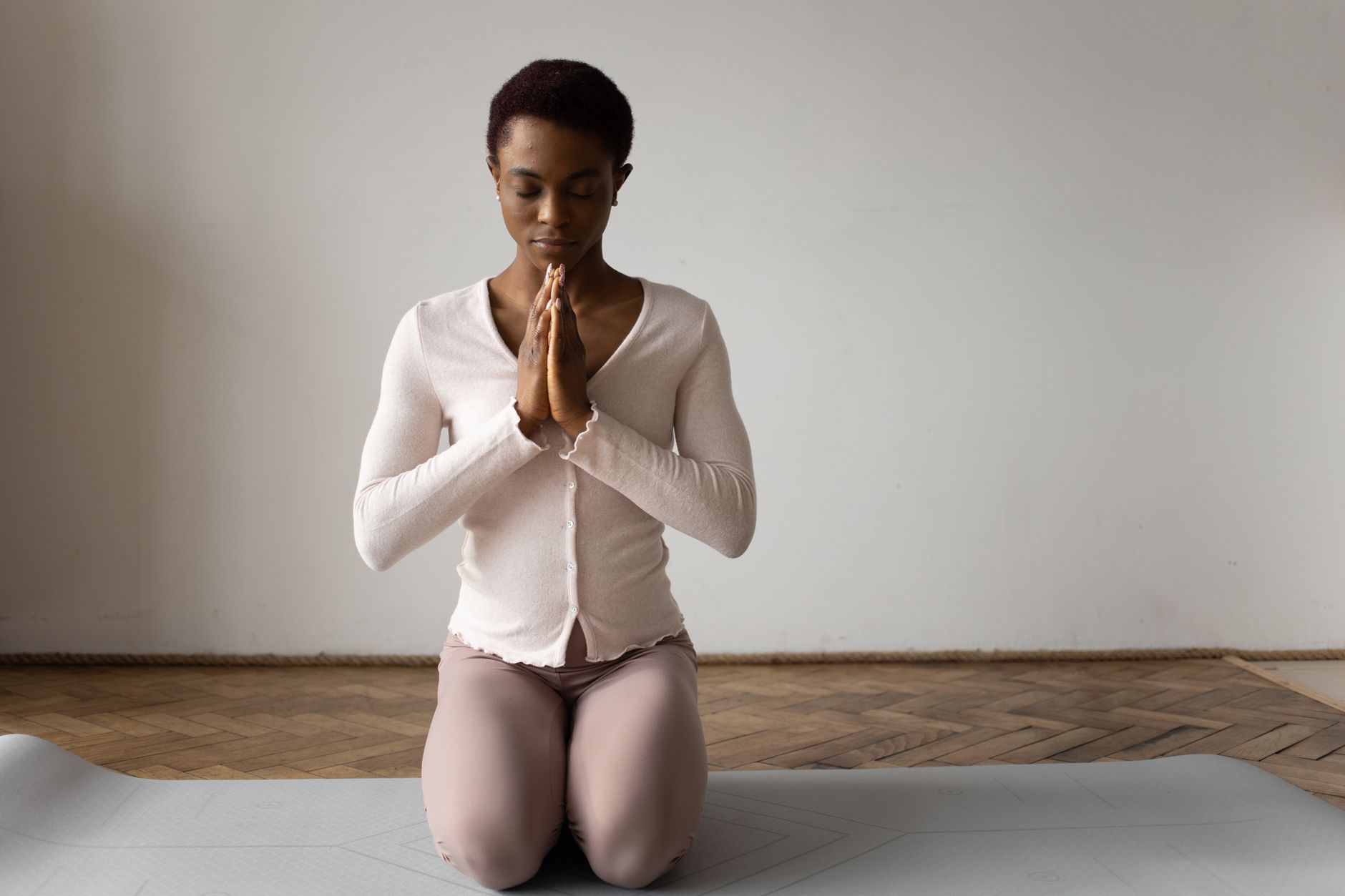
In the vibrant tapestry of life, our perception of ourselves plays a crucial role in shaping our experiences, relationships, and overall well-being. For readers in India, understanding and cultivating high self-esteem is not just about feeling good; it's about building resilience, fostering healthy connections, and navigating life's challenges with confidence. This guide delves into the essence of self-esteem, its importance, and practical strategies tailored for the Indian context to help you nurture a positive self-image.
Self-esteem, at its core, refers to your overall sense of personal worth or value. It's how you feel about yourself, your qualities, your abilities, and your identity. It's distinct from self-confidence, which is your belief in your ability to perform specific tasks, and self-worth, which is your fundamental belief in your inherent value as a human being. High self-esteem means you generally have a positive view of yourself, even when faced with criticism or setbacks.
Imagine someone makes a critical comment about your cooking. If you have high self-esteem, you might acknowledge the feedback, perhaps even learn from it, but it won't shatter your sense of self. You understand that one opinion doesn't define your worth or your ability to cook. Conversely, low self-esteem might lead you to internalize the criticism, doubt your culinary skills entirely, and feel deeply hurt.
The benefits of high self-esteem are far-reaching and profoundly impact various aspects of life:
It's a common misconception to equate high self-esteem with narcissism. While both might involve a positive self-perception, they are fundamentally different. Narcissism involves an exaggerated sense of self-importance, a need for admiration, a lack of empathy, and often, exploitative behavior. High self-esteem, on the other hand, is a healthy, realistic appreciation of oneself, coupled with empathy and respect for others. You can have robust self-esteem without being narcissistic.
Several factors, particularly relevant to the Indian cultural landscape, can influence self-esteem:
Cultivating high self-esteem is an ongoing journey, not a destination. Here are practical strategies that can help:
Treat yourself with the same kindness and understanding you would offer a dear friend. Acknowledge that everyone makes mistakes and faces challenges. Instead of harsh self-criticism, offer yourself words of comfort and support.
Become aware of your inner dialogue. When you catch yourself thinking negatively about yourself, pause and question the thought. Is it true? Is it helpful? Replace critical thoughts with more balanced and realistic ones. For instance, instead of thinking, “I’m terrible at this,” try, “This is challenging, but I’m learning and can improve with practice.”
Break down larger goals into smaller, manageable steps. Achieving these smaller milestones builds momentum and reinforces your sense of capability. Acknowledge and celebrate every success, no matter how small. This reinforces positive self-perception.
Make a list of your positive qualities, skills, and accomplishments. Regularly review this list, especially on days when you feel down. Recognizing your strengths helps to counterbalance perceived weaknesses.
Learn to express your thoughts, feelings, and needs respectfully and directly. Setting healthy boundaries is crucial. Saying “no” when necessary and advocating for yourself without aggression is a sign of strong self-esteem.
Pursue hobbies and activities that bring you joy and allow you to utilize your talents. Whether it's painting, cooking, gardening, or playing a sport, engaging in activities where you feel competent and fulfilled boosts your confidence and self-worth.
Mindfulness involves paying attention to the present moment without judgment. This practice can help you detach from negative thoughts and emotions, observe them without getting carried away, and respond more thoughtfully.
Surround yourself with supportive and encouraging people who uplift you. Limit contact with those who are consistently critical or negative. Nurturing healthy relationships is vital for maintaining good self-esteem.
Physical well-being is intrinsically linked to mental well-being. Regular exercise, a balanced diet, and adequate sleep can significantly improve your mood and energy levels, contributing to a more positive self-image.
If low self-esteem is persistent and significantly impacting your life, seeking professional help is a sign of strength. Therapies like Cognitive Behavioral Therapy (CBT) have proven effective in helping individuals challenge negative thought patterns and build healthier self-perceptions.
While self-help strategies are powerful, it's important to recognize when professional support is needed. Consult a doctor or mental health professional if:
A healthcare professional can provide a diagnosis, offer tailored therapeutic interventions, and guide you on your journey to building lasting self-esteem.
No, high self-esteem is not the same as arrogance. Arrogance often stems from insecurity and a need to overcompensate, whereas true high self-esteem is a quiet, internal confidence and acceptance of oneself, including imperfections, without the need to put others down.
Absolutely! Self-esteem can be cultivated at any stage of life. While childhood experiences play a role, adults can significantly improve their self-perception through conscious effort, practice, and sometimes, professional guidance.
Building self-esteem is a gradual process. It requires consistent effort and practice. While you might notice improvements in a few weeks or months, developing deep-seated, lasting high self-esteem can take longer, often involving ongoing self-awareness and practice.
Practices like yoga and meditation, which encourage self-awareness and inner peace, can be beneficial. Focusing on community service and contributing to society, values often cherished in India, can also foster a sense of purpose and self-worth. However, it's crucial to ensure these practices are approached in a way that nurtures self-acceptance rather than self-criticism.
Visit Hospital
Near You
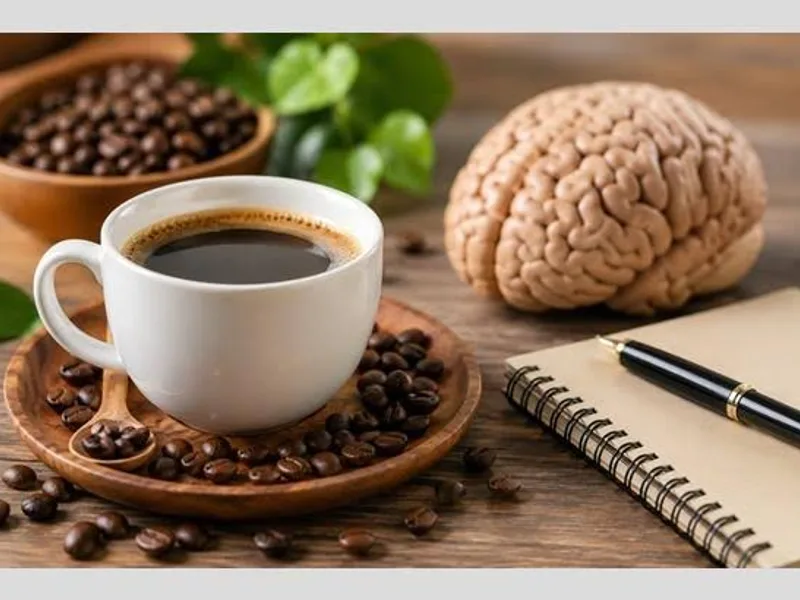
Could your daily coffee habit be protecting your brain? A massive 2026 study following more than 130,000 people for up to 43 years found that people who drank the most caffeinated coffee had an 18% lower risk of dementia. This piece breaks down what the study actually found, why decaf didn't show th
July 23, 2026
Seeking a migraine specialist in Uluberia? Discover where to find expert diagnosis and treatment for severe headaches. Get relief now.
May 20, 2026
Seeking a male fertility doctor in Jalpaiguri? Discover expert insights on male infertility, treatments, and how to find the right specialist.
May 20, 2026