

Emergency & Help
24/7 Emergency & General Advisory
🚨 24/7 Medical Emergency
Non-Emergency Advisory
10:00 AM – 6:00 PM, Mon–Sat
For appointments & general queries.
24/7 Emergency & General Advisory
🚨 24/7 Medical Emergency
Non-Emergency Advisory
10:00 AM – 6:00 PM, Mon–Sat
For appointments & general queries.
Stay updated with our latest healthcare news and your appointments.
Explore depression treatment in East Singhbhum. Learn about therapy, medication, and support systems available for mental well-being.
Depression is a serious mood disorder affecting millions. It impacts how you feel, think, and act, leading to various emotional and physical problems. In India, mental health awareness is growing, yet stigma persists.
The reality is, many individuals in East Singhbhum, like elsewhere, struggle silently. Practically speaking, identifying depression early is key to effective management. Recognizing its signs—persistent sadness, loss of interest, changes in sleep or appetite, fatigue, and feelings of worthlessness—is the first step.
Globally, the World Health Organization (WHO) estimates that over 280 million people suffer from depression. In India, the National Mental Health Survey (NMHS) indicated a significant burden of mental disorders. East Singhbhum, a district with a substantial population, is not exempt from these challenges.
We often see patients presenting with a mix of emotional distress and physical complaints, sometimes unaware of the underlying depressive state. So what does that mean for you? It means understanding that depression is treatable and seeking help is a sign of strength.
Recovery is rarely linear.
proven depression intervention typically involves a combination of therapy and, when necessary, medication. The goal is to alleviate symptoms, restore emotional balance, and improve overall quality of life for those affected. Physicians tailor these approaches based on the individual's specific condition, severity, and personal history.
Psychotherapy, often called talk therapy, is a cornerstone of depression care. It involves speaking with a trained mental health professional, such as a psychologist or counselor. These sessions enable individuals understand their thoughts, feelings, and behaviors.
Cognitive Behavioral Therapy (CBT) and Interpersonal Therapy (IPT) are proven, reliable methods. CBT helps restructure negative thought patterns, while IPT focuses on improving relationships. A patient in Jamshedpur recently shared how CBT enabled her to challenge her self-critical thoughts, significantly reducing her feelings of hopelessness.
In many cases, therapy provides coping strategies. People learn to manage stress and navigate difficult situations more effectively.
For instance, learning mindfulness techniques can be incredibly helpful during moments of intense anxiety or sadness. The duration of therapy varies; some may benefit from short-term interventions, while others require ongoing support.
And yet, so many people miss it.
For moderate to severe depression, or when therapy alone isn't sufficient, medication may be prescribed. Antidepressants are the most common type. These drugs work by balancing certain brain chemicals, known as neurotransmitters (like serotonin and norepinephrine), which affect mood and emotions.
prevalent classes include Selective Serotonin Reuptake Inhibitors (SSRIs) and Serotonin-Norepinephrine Reuptake Inhibitors (SNRIs). It is vital to remember that these medications are not 'happy pills'; they benefit restore a natural balance.
Physicians at institutions like AIIMS emphasize that antidepressants take time to become fully reliable—often 2-4 weeks. sufferers must take them consistently as prescribed. But why does this happen? The brain needs time to adapt to the medication's effects.
Stopping medication abruptly can lead to withdrawal indicators or a relapse. Therefore, gradual tapering under medical supervision is crucial. Honestly, finding the right medication and dosage can sometimes require patience and adjustments.
This is where most individuals struggle.
Complementary to professional care, lifestyle changes play a vital role. Regular physical activity is one of the most impactful non-pharmacological interventions. Studies published in The Lancet have shown that exercise can be as successful as medication for mild to moderate depression.
Aiming for at least 30 minutes of moderate exercise most days of the week can boost mood significantly. Eating a balanced diet rich in fruits, vegetables, and whole grains also supports mental well-being. Adequate sleep—7-9 hours for most adults—is equally crucial for mood regulation.
Engaging in hobbies, spending time in nature, and practicing relaxation techniques like yoga or meditation can further strengthen resilience. Social support is another key element.
Connecting with friends, family, or support groups provides a sense of belonging and reduces feelings of isolation. This is particularly important in a community setting like East Singhbhum.
Accessing professional aid is paramount. East Singhbhum district, including its urban center Jamshedpur, offers various healthcare facilities. These range from government hospitals to private clinics and counseling centers.
Jamshedpur’s Tata Main Hospital and other healthcare providers often have psychiatric departments. Additionally, numerous private practitioners and psychologists offer specialized mental health services.
This is where most individuals struggle.
Finding the right specialist is essential. Look for psychiatrists, clinical psychologists, or counselors with experience in treating mood disorders. Online directories and recommendations from primary care physicians can be helpful resources.
If you or someone you know is struggling, reaching out is the first step towards healing. Remember, seeking aid is a sign of courage, not weakness. The Indian Psychiatric Society provides resources that can benefit locate qualified professionals across the country.
Beyond clinical settings, community support plays a critical role. Several non-governmental organizations (NGOs) and community initiatives focus on mental health awareness and support in Jharkhand. While specific de-addiction centers in Jamshedpur might also offer counseling for co-occurring issues like substance abuse, which often accompanies depression.
These organizations often run helplines, workshops, and support groups. These groups offer a safe space for people to share experiences and learn from each other. Living with depression is genuinely hard, and peer support can be incredibly validating.
It sounds simple. It rarely is.
Connecting with these groups can reduce feelings of isolation. It fosters a sense of community and shared understanding. Honestly, the collective strength found in these circles is immense. Such support systems are vital in reinforcing the professional care received.
Despite progress, mental health stigma remains a major barrier in India. Fear of judgment or discrimination often prevents people from seeking timely enable. This is a deeply ingrained societal issue, but awareness campaigns are slowly making a difference.
The reality is, open conversations about mental health are crucial. Educating ourselves and others can benefit dismantle these harmful stereotypes. When we normalize discussions around depression, we create a more supportive environment.
Family and friends can be powerful allies. Offering non-judgmental support and encouraging loved ones to seek professional benefit can make a world of difference. A simple, empathetic ear can be more helpful than one might imagine.
Here's where it gets interesting.
In many cases, the fear of burdening others is a major concern for those affected. Reassurance and consistent support can combat this effectively.
Early indicators include persistent sadness, loss of interest in activities, major changes in sleep or appetite, fatigue, and difficulty concentrating. You might also notice increased irritability or feelings of worthlessness.
While a complete 'cure' isn't always the terminology used, depression is highly treatable. Many individuals achieve long-term remission and live fulfilling lives with appropriate therapy, medication, and lifestyle support. The goal is sustained well-being.
Antidepressants typically require 2-4 weeks to show noticeable effects, though full benefits may take longer. Consistent use as prescribed by a physician is essential. Adjustments to dosage or type may be needed.
Absolutely not. Seeking enable is a sign of strength and self-awareness. Recognizing you need support and taking steps to get it is a courageous act towards improving your mental health.
Always consult a qualified physician before making medical decisions.
Visit Hospital
Near You
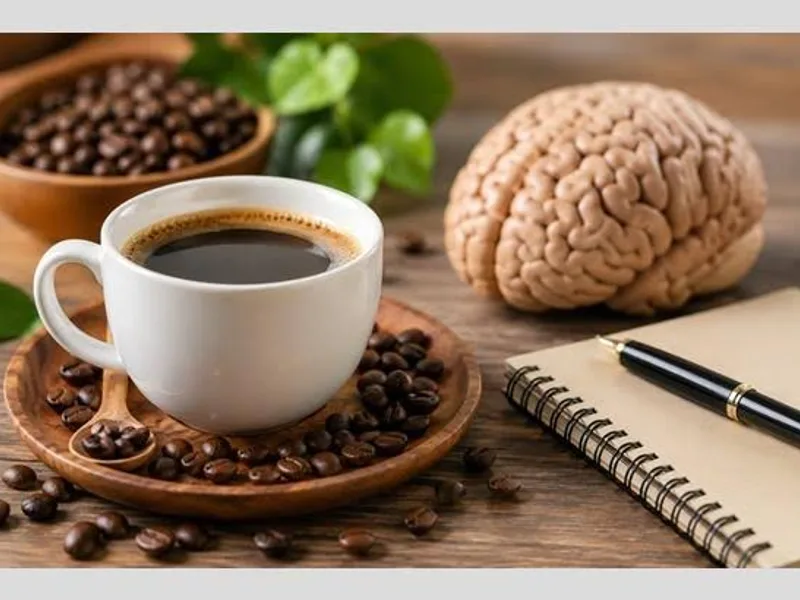
Could your daily coffee habit be protecting your brain? A massive 2026 study following more than 130,000 people for up to 43 years found that people who drank the most caffeinated coffee had an 18% lower risk of dementia. This piece breaks down what the study actually found, why decaf didn't show th
July 23, 2026
Seeking a migraine specialist in Uluberia? Discover where to find expert diagnosis and treatment for severe headaches. Get relief now.
May 20, 2026
Seeking a male fertility doctor in Jalpaiguri? Discover expert insights on male infertility, treatments, and how to find the right specialist.
May 20, 2026