

Emergency & Help
24/7 Emergency & General Advisory
🚨 24/7 Medical Emergency
Non-Emergency Advisory
10:00 AM – 6:00 PM, Mon–Sat
For appointments & general queries.
24/7 Emergency & General Advisory
🚨 24/7 Medical Emergency
Non-Emergency Advisory
10:00 AM – 6:00 PM, Mon–Sat
For appointments & general queries.
Stay updated with our latest healthcare news and your appointments.
Explore the effectiveness of stress balls for managing stress and anxiety. Learn about their benefits, how they work, scientific evidence, and when to seek professional help.
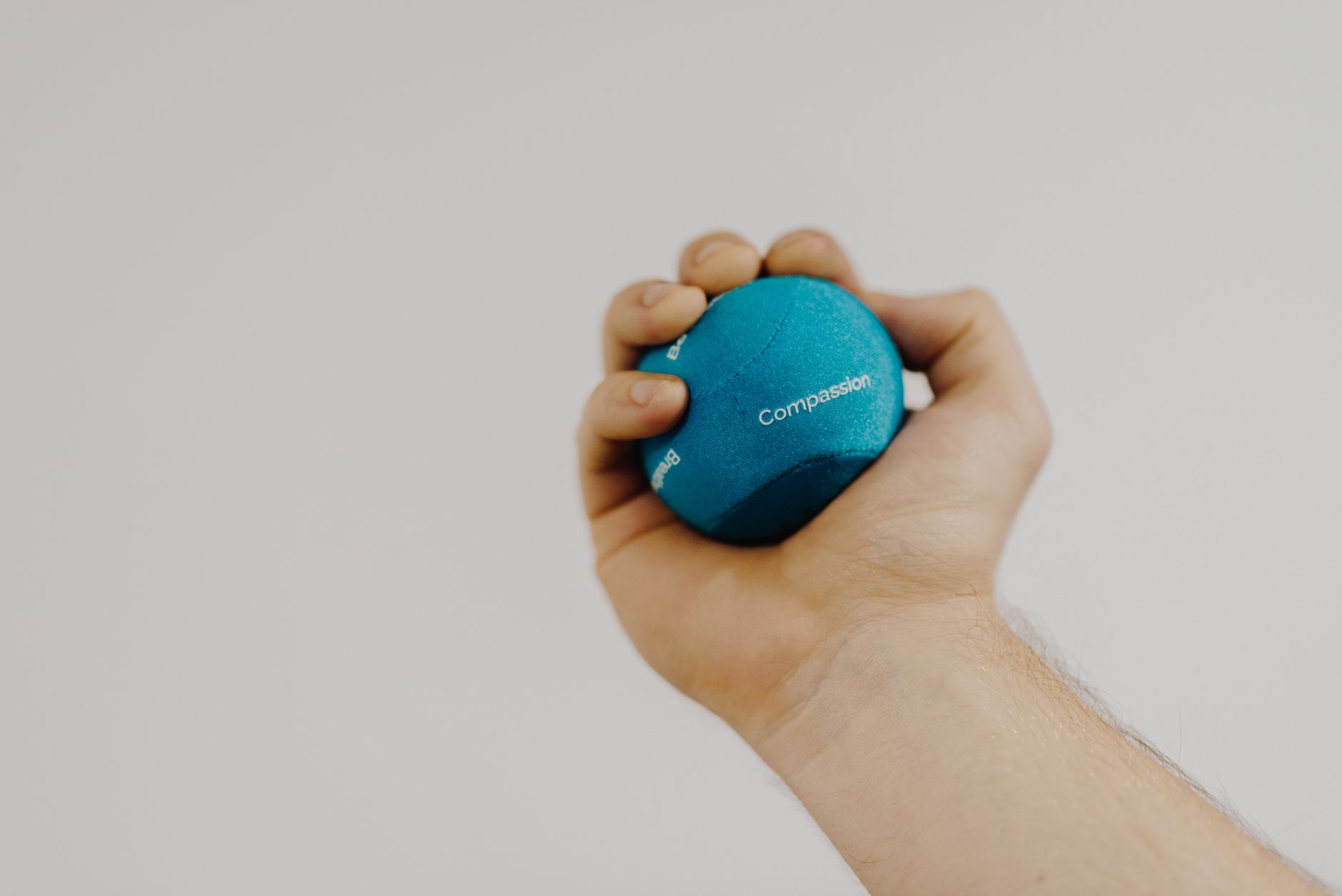
Understanding the Effectiveness of Stress Balls for Stress Relief In today's fast-paced world, stress has become an almost constant companion for many. From demanding work schedules to personal life pressures, finding effective ways to manage stress is crucial for overall well-being. One common tool that has gained popularity for stress relief is the humble stress ball. But do these simple, squeezable objects actually work? This article delves into the science, benefits, and limitations of using stress balls as a tool for managing stress and anxiety, particularly for an Indian audience. What Exactly is a Stress Ball? A stress ball is essentially a soft, pliable, and easily squeezable object designed to provide a physical outlet for pent-up stress, tension, and nervous energy. They come in various shapes, sizes, and materials, but their core purpose remains the same: to offer a tactile experience that can help calm the mind and body. How Do Stress Balls Work? The Science Behind the Squeeze The effectiveness of stress balls lies in their ability to provide a tactile distraction and promote relaxation through repetitive motion. When you squeeze a stress ball, the physical act of applying pressure and then releasing it can have several physiological effects: Sensory Input: The tactile sensation of squeezing and manipulating the ball provides a sensory distraction. This can effectively redirect your attention away from anxious thoughts or stressful stimuli, grounding you in the present moment. Muscle Relaxation: The act of squeezing and releasing engages hand and forearm muscles. This physical exertion can help release built-up tension in these areas, which often hold stress. The subsequent release can promote a feeling of relaxation. Mindfulness and Focus: For some, the repetitive action of using a stress ball can serve as a simple form of mindfulness practice. It encourages you to focus on the physical sensation, bringing you back to the present and away from overwhelming thoughts. Physical Outlet: Stress balls offer a safe and socially acceptable way to release pent-up energy or frustration. Instead of fidgeting or engaging in less constructive behaviours, squeezing a stress ball provides a controlled outlet. Potential Benefits of Using Stress Balls While research on the efficacy of stress balls is mixed, many individuals find them beneficial for managing stress and anxiety. Here are some of the commonly reported benefits: Stress Reduction: By providing a physical outlet and a tactile distraction, stress balls can help reduce feelings of stress and tension, especially during moments of acute pressure. Anxiety Management: For mild or situational anxiety, the act of squeezing can be soothing. It offers something tangible to focus on, helping to calm a racing mind. Improved Focus: In stressful situations where concentration is difficult, using a stress ball might help improve focus by providing a grounding sensory experience. Hand Strength and Dexterity: Regular use of stress balls can contribute to strengthening hand and forearm muscles. This can be particularly beneficial for individuals recovering from certain injuries or those with conditions like arthritis, as part of a broader physical therapy regimen. Portability: Stress balls are small, lightweight, and easy to carry. This makes them a convenient tool for stress relief on the go, whether at work, during travel, or in public spaces. What Does the Research Say? The scientific evidence supporting the effectiveness of stress balls is not entirely conclusive, and studies have yielded varied results: Positive Findings: Some studies have indicated that stress balls can be helpful. For instance, one study involving hemodialysis patients found that using a stress ball helped reduce stress levels during dialysis sessions, even though it didn't significantly alter vital signs or comfort levels. Another study suggested that stress balls might positively impact pain reduction during lithotripsy procedures for kidney stones, though their effect on anxiety in this context was less clear. Mixed Results: Other research has shown mixed outcomes, suggesting that the effectiveness can vary greatly depending on the individual, the situation, and the underlying cause of stress or anxiety. Situational vs. General Anxiety: It's important to distinguish between situational (state) anxiety and general (trait) anxiety. Stress balls may offer temporary relief from situational anxiety by providing a sensory distraction. However, for long-term or chronic anxiety, they are usually considered a supplementary tool rather than a sole solution. How to Use a Stress Ball Effectively Using a stress ball is straightforward. Here’s a simple approach: Hold: Place the stress ball in one hand. Squeeze: Gently but firmly squeeze the ball. Focus on the sensation in your hand and arm. Release: Slowly release the pressure. Repeat: Continue this squeezing and releasing motion for a few minutes, or until you feel a sense of calm or release. You can use a stress ball while sitting at your desk, during a stressful meeting (discreetly, of course), while commuting, or any time you feel tension building. Experiment with different squeezing pressures and rhythms to find what works best for you. Limitations of Stress Balls While stress balls can be a useful tool, it's important to recognise their limitations: Not a Cure for Severe Conditions: Stress balls are generally best suited for managing mild, temporary stress or anxiety. They are unlikely to be effective as a standalone treatment for severe anxiety disorders, chronic stress, or complex psychological issues. Addressing Root Causes: Stress balls provide a coping mechanism but do not address the underlying causes of stress. For persistent or overwhelming stress, it's essential to identify and tackle the root issues.
In summary, timely diagnosis, evidence-based treatment, and prevention-focused care improve long-term health outcomes.
Visit Hospital
Near You

Could your daily coffee habit be protecting your brain? A massive 2026 study following more than 130,000 people for up to 43 years found that people who drank the most caffeinated coffee had an 18% lower risk of dementia. This piece breaks down what the study actually found, why decaf didn't show th
July 23, 2026
Seeking a migraine specialist in Uluberia? Discover where to find expert diagnosis and treatment for severe headaches. Get relief now.
May 20, 2026
Seeking a male fertility doctor in Jalpaiguri? Discover expert insights on male infertility, treatments, and how to find the right specialist.
May 20, 2026