

Emergency & Help
24/7 Emergency & General Advisory
🚨 24/7 Medical Emergency
Non-Emergency Advisory
10:00 AM – 6:00 PM, Mon–Sat
For appointments & general queries.
24/7 Emergency & General Advisory
🚨 24/7 Medical Emergency
Non-Emergency Advisory
10:00 AM – 6:00 PM, Mon–Sat
For appointments & general queries.
Stay updated with our latest healthcare news and your appointments.
Explore the complex relationship between self-Aarm and addiction, understanding why self-harm isn't formally classified as an addiction but can share addictive qualities and how to find support.
Self-harm, also known as non-suicidal self-injury (NSSI), is a complex behaviour that involves deliberately injuring oneself without the intent to end one's life. While it is not formally classified as an addiction in the Diagnostic and Statistical Manual of Mental Disorders, 5th edition, text revision (DSM-5-TR), some experts suggest it can exhibit characteristics of a behavioural addiction. This article delves into the nuances of self-harm, its potential links to addiction, and how to seek help.
Self-harm is a coping mechanism used by individuals to deal with overwhelming emotional pain. It can manifest in various ways, including cutting, burning, scratching, hitting, or interfering with wound healing. The primary purpose is not to seek pleasure or escape reality in the way typical addictions do, but rather to regulate intense emotions, punish oneself, or feel something when experiencing emotional numbness.
The DSM-5-TR, the authoritative guide for diagnosing mental health conditions, currently defines addiction primarily in relation to substance use disorders and gambling. While it acknowledges the existence of other potential behavioural addictions, there isn't enough scientific evidence to formally include them. The core of addiction often involves a compulsive drive to engage in a behaviour despite negative consequences, driven by changes in the brain's reward system that seek pleasure or avoid withdrawal. Self-harm, on the other hand, is typically motivated by emotional distress and the need for immediate relief from unbearable feelings, rather than the pursuit of pleasure.
Despite not being formally classified as an addiction, self-harm can become a deeply ingrained and compulsive behaviour. For some individuals, the act of self-harm can trigger the release of endorphins, the body's natural mood lifters, which can create a temporary sense of relief or calm. This can lead to a cycle where the individual relies on self-harm to manage their emotions, making it challenging to stop. This pattern can resemble behavioural addictions, where the brain's reward pathways are activated, leading to cravings and compulsive engagement in the behaviour.
Monica Amorosi, a licensed mental health counselor, notes that for some, self-harm can be as strong a behavioural addiction as shopping or gambling. She explains that it can release intense chemicals that become necessary for emotional regulation, providing relief or release, and can become compulsive and uncontrollable.
While there aren't specific
This section adds practical context and preventive advice to help readers make informed healthcare decisions. It is important to verify symptoms early, consult qualified doctors, and avoid self-medication for persistent health issues.
Maintaining healthy routines, following prescribed treatment plans, and attending regular checkups can improve outcomes. If symptoms worsen or red-flag signs appear, immediate medical evaluation is recommended.
Track symptoms and duration.
Follow diagnosis and treatment from a licensed practitioner.
Review medication side effects with your doctor.
Seek urgent care for severe warning signs.
Visit Hospital
Near You
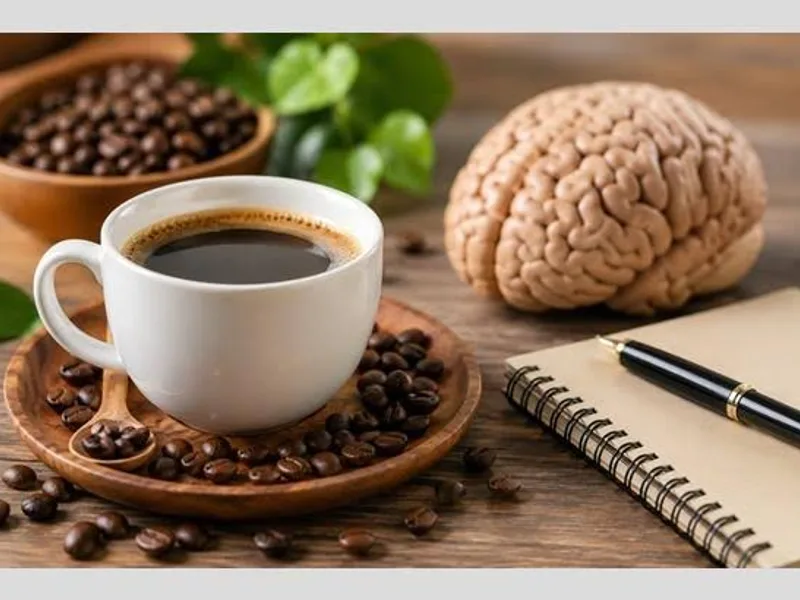
Could your daily coffee habit be protecting your brain? A massive 2026 study following more than 130,000 people for up to 43 years found that people who drank the most caffeinated coffee had an 18% lower risk of dementia. This piece breaks down what the study actually found, why decaf didn't show th
July 23, 2026
Seeking a migraine specialist in Uluberia? Discover where to find expert diagnosis and treatment for severe headaches. Get relief now.
May 20, 2026
Seeking a male fertility doctor in Jalpaiguri? Discover expert insights on male infertility, treatments, and how to find the right specialist.
May 20, 2026