

Emergency & Help
24/7 Emergency & General Advisory
🚨 24/7 Medical Emergency
Non-Emergency Advisory
10:00 AM – 6:00 PM, Mon–Sat
For appointments & general queries.
24/7 Emergency & General Advisory
🚨 24/7 Medical Emergency
Non-Emergency Advisory
10:00 AM – 6:00 PM, Mon–Sat
For appointments & general queries.
Stay updated with our latest healthcare news and your appointments.
Explore mental health services in Begusarai, understanding available care options, and seeking support for mental well-being.
Accessing appropriate mental health care is vital for overall well-being. In Begusarai, like many districts in India, the availability and awareness of specialized mental health services are growing.
Understanding the options available can empower individuals and their families to seek the necessary support. This guide aims to shed light on mental health facilities and approaches within Begusarai, offering clarity on what to expect.
Mental health conditions can manifest in various ways. Persistent sadness, overwhelming anxiety, significant changes in sleep or appetite, loss of interest in activities, and difficulty concentrating are crucial indicators. You might also notice social withdrawal or increased irritability.
Honestly, these signs should not be ignored. In India, approximately 200 million people require mental health assistance annually, yet less than 10% receive adequate care (WHO India, 2022). Recognizing these indicators is the first step toward recovery.
Mental health support ranges from outpatient counseling to inpatient psychiatric care. In Begusarai, individuals can often find:
Finding the right specialist is crucial. Look for qualified psychiatrists and clinical psychologists. These professionals are trained to diagnose and treat a wide spectrum of mental health disorders. You can often find them through local hospital directories or online healthcare platforms.
This is where most those affected struggle.
In many cases, a referral from a general physician can also be a starting point. Remember, seeking support is a sign of strength, not weakness. 3 psychiatrists per 100,000 people (National Health Profile, 2022).
When a mental health condition becomes severe, inpatient care becomes necessary. This level of treatment is reserved for individuals who pose a risk to themselves or others, or whose symptoms significantly impair their daily functioning. The goal of inpatient psychiatric care is stabilization and intensive care. This involves a multidisciplinary team—including psychiatrists, nurses, therapists, and social workers—collaborating to create a personalized care plan.
The environment is structured to ensure safety and promote healing. people receive around-the-clock monitoring, medication adjustments, and various forms of therapy, such as individual and group sessions. Discharges are carefully planned, often involving outpatient follow-up to ensure continued recovery. This approach helps to build resilience and coping mechanisms.
A variety of evidence-based therapies are employed to treat mental health conditions. Cognitive Behavioral Therapy (CBT) is highly effective for conditions like anxiety and depression. It helps individuals identify and change negative thought patterns and behaviors. Dialectical Behavior Therapy (DBT) is often used for individuals with emotional dysregulation. Psychodynamic therapy explores unconscious patterns and past experiences.
And yet, so many people miss it.
In some cases, medication, prescribed by a psychiatrist, plays a vital role in managing indicators. For instance, antidepressants can enable regulate mood, while antipsychotics manage psychosis. The choice of therapy depends on the specific diagnosis and the individual's needs. What should you actually do? Understand that therapy is a process, and progress may not always be linear.
Family and community play an indispensable role in mental health recovery. Educating family members about the disorder can foster understanding and reduce stigma. Support groups, both formal and informal, provide a sense of belonging and shared experience for those affected. These groups can be a source of practical advice and emotional encouragement.
In real-world terms, a supportive social network can significantly boost therapy adherence and long-term outcomes. The stigma surrounding mental illness in India remains a considerable barrier, with studies indicating that a notable percentage of people fear social judgment (The Lancet Psychiatry, 2021). Open conversations and community awareness campaigns are crucial to dismantling this barrier.
Anxiety disorders and depression are among the most usual mental health challenges. Anxiety can manifest as excessive worry, panic attacks, and physical manifestations like a racing heart. Depression often presents as persistent low mood, fatigue, and a loss of pleasure. Both conditions are highly treatable with the right approach.
Recovery is rarely linear.
Specialists in Begusarai use a combination of therapy and, when necessary, medication. Early intervention is key to preventing the escalation of these conditions. Remember, you are not alone, and powerful support is available. India reports high prevalence rates of anxiety and depression, affecting millions of people.
Substance abuse is a serious issue that often requires specialized intervention. De-addiction centers provide a structured environment for individuals to detoxify and begin their recovery journey. These centers employ medical professionals and counselors to manage withdrawal manifestations and address the psychological aspects of addiction.
The approach typically involves detoxification, counseling, and relapse prevention strategies. Support from family and peers is also a critical component of successful rehabilitation. Reliable data from the Ministry of Social Justice and Empowerment indicates a substantial burden of substance use disorders across India.
Beyond treating illness, fostering mental wellness is paramount. This involves developing coping strategies, maintaining healthy lifestyle habits, and seeking positive social connections. Regular physical activity, a balanced diet, and adequate sleep are foundational. Mindfulness and meditation practices can also enhance emotional regulation and reduce stress.
It sounds simple. It rarely is.
Building resilience—the ability to bounce back from adversity—is an ongoing process. For individuals in Begusarai, local parks, community centers, and wellness workshops can offer opportunities to engage in activities that promote mental well-being. The National Institute of Mental Health and Neurosciences (NIMHANS) emphasizes lifestyle factors in maintaining good mental health.
The persistent stigma surrounding mental health issues in India presents a considerable obstacle to care. This stigma often prevents individuals from seeking aid, fearing judgment or discrimination. Openly discussing mental health, sharing personal stories (when comfortable), and educating the public are vital steps toward reducing this stigma.
Healthcare providers, community leaders, and media all have a role to play. By fostering an environment of empathy and understanding, we can encourage more people to access the support they need. Honestly, challenging misconceptions and promoting accurate information are crucial.
Locating appropriate mental health care in Begusarai involves identifying qualified professionals. Look for psychiatrists registered with the Medical Council of India and clinical psychologists with relevant certifications. Hospital websites and online directories are often good starting points. Asking for recommendations from trusted sources can also be beneficial.
Recovery is rarely linear.
When considering a facility, inquire about the services offered, the qualifications of the staff, and patient testimonials if available. Ensure the environment feels safe and conducive to healing. Remember, the journey to mental wellness is personal, and finding the right fit is important.
Signs of a mental health crisis can include severe mood swings, thoughts of self-harm or harming others, extreme confusion, or prolonged periods of withdrawal. If you or someone you know is experiencing these, immediate professional support is essential.
You can find a good psychiatrist by checking local hospital listings, seeking referrals from your general physician, or using reputable online healthcare directories. Look for professionals with verified credentials and positive patient reviews.
The cost of mental health approach can vary widely depending on the type of facility and services required. Some government-aided institutions offer subsidized care, while private hospitals and specialized clinics may have higher fees. Exploring all available options is recommended.
Recovery is rarely linear.
Yes, Begusarai has de-addiction centers and rehabilitation facilities that offer specialized care for substance abuse. These centers provide medical supervision, counseling, and support programs to aid recovery.
Always consult a qualified physician before making medical decisions.Visit Hospital
Near You
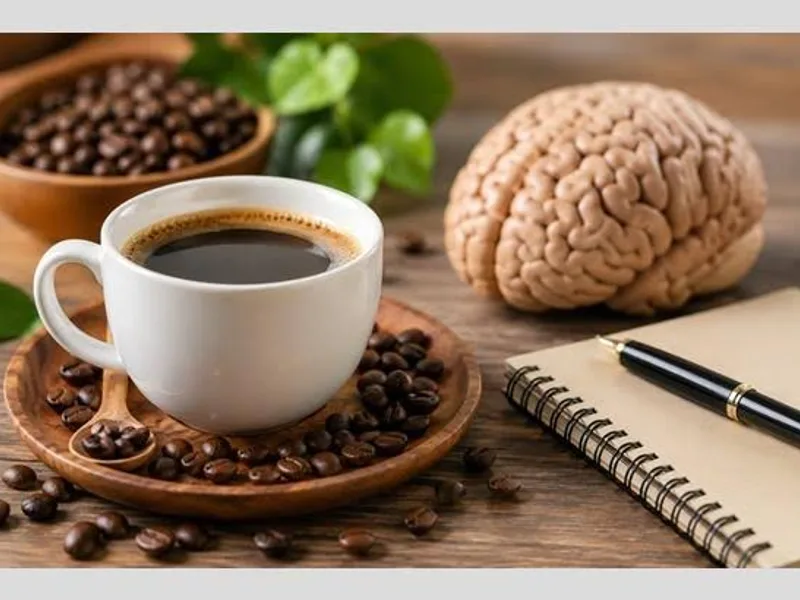
Could your daily coffee habit be protecting your brain? A massive 2026 study following more than 130,000 people for up to 43 years found that people who drank the most caffeinated coffee had an 18% lower risk of dementia. This piece breaks down what the study actually found, why decaf didn't show th
July 23, 2026
Seeking a migraine specialist in Uluberia? Discover where to find expert diagnosis and treatment for severe headaches. Get relief now.
May 20, 2026
Seeking a male fertility doctor in Jalpaiguri? Discover expert insights on male infertility, treatments, and how to find the right specialist.
May 20, 2026