

Emergency & Help
24/7 Emergency & General Advisory
🚨 24/7 Medical Emergency
Non-Emergency Advisory
10:00 AM – 6:00 PM, Mon–Sat
For appointments & general queries.
24/7 Emergency & General Advisory
🚨 24/7 Medical Emergency
Non-Emergency Advisory
10:00 AM – 6:00 PM, Mon–Sat
For appointments & general queries.
Stay updated with our latest healthcare news and your appointments.
Discover fun and effective games and puzzles like Sudoku, Chess, and Crosswords that can significantly boost your brain health, improve memory, and slow cognitive decline.
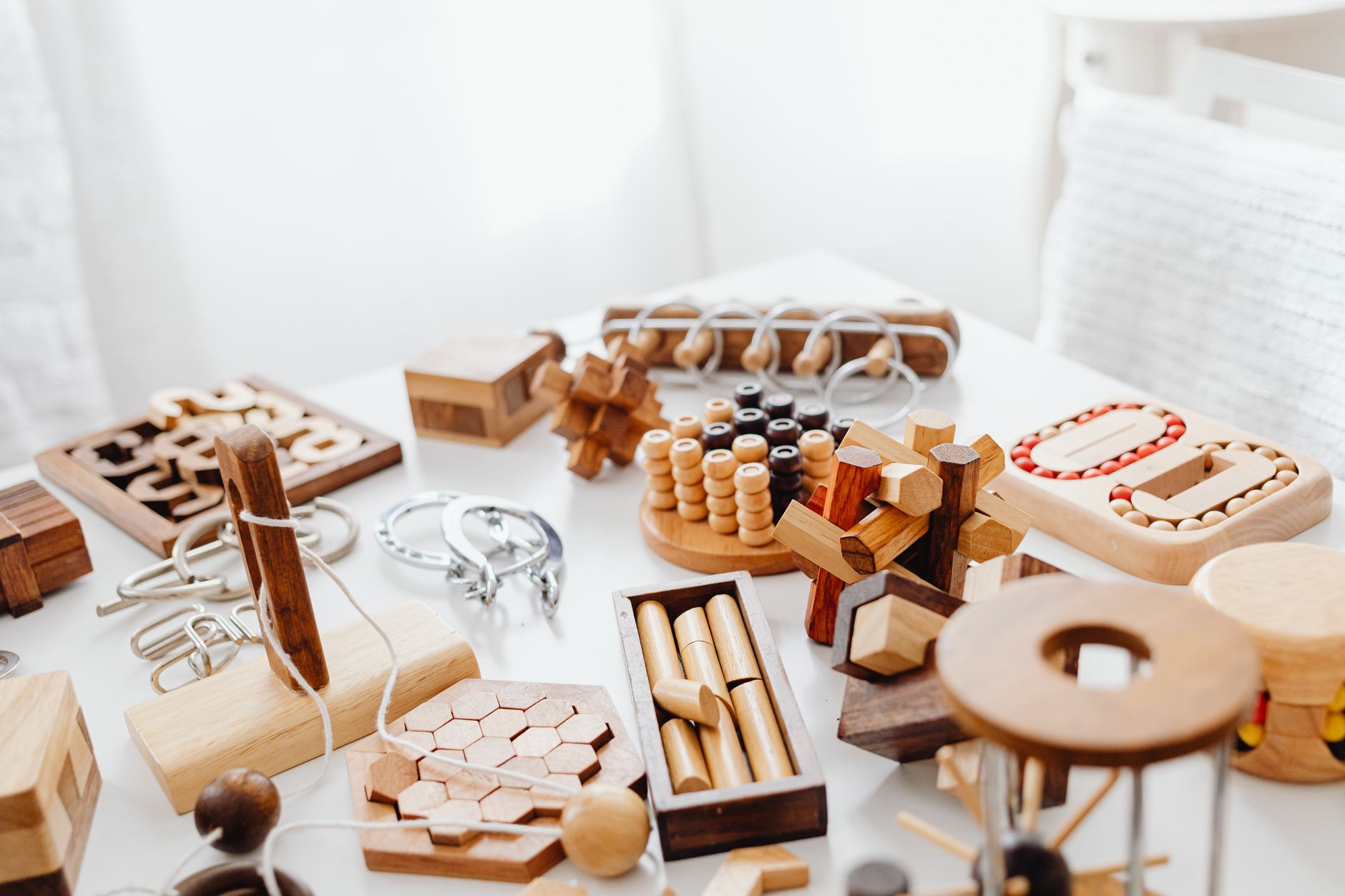
In today's fast-paced world, our minds are constantly bombarded with information. While we often focus on physical fitness, the health of our brain deserves equal, if not more, attention. Just like our bodies need exercise to stay strong and flexible, our brains need regular stimulation to maintain cognitive function, ward off age-related decline, and keep us sharp and engaged. Think of your brain as a muscle – the more you work it, the stronger it becomes!
Many of us, especially here in India, lead busy lives. We juggle work, family, and social commitments, often leaving little time for activities specifically designed to challenge our intellect. However, keeping your mind agile isn't about endless hours of study or complex tasks. It can be as simple and enjoyable as playing a game! Yes, you read that right – fun and games can be powerful tools for boosting your brainpower.
This isn't just about passing the time; it's about actively engaging your cognitive abilities. Brain games and puzzles can significantly improve your focus, concentration, and memory. They can even help us become more present in our daily lives, appreciating the moments rather than letting our minds wander. While these activities might not magically prevent conditions like dementia, a growing body of research suggests they can indeed slow down or delay cognitive decline. It's about nurturing your brain's health for the long term.
You might be wondering, why is it so important to actively exercise our brains? Rebecca Marcus, LCSW, a psychotherapist specializing in mindfulness, explains that brain games are essential for several key reasons:
The key, as experts emphasize, is variety and increasing difficulty. If you play the same game or do the same puzzle every single day, your mind becomes accustomed to it and stops being challenged. It starts running on autopilot. To truly benefit, you need to introduce new challenges and mix things up. This could mean learning a new game, trying a different type of puzzle, or even just changing your daily routine slightly.
Consider this: If you always walk your dog on the same route, try a different path one day. That simple change can offer a novel stimulus to your brain. Similarly, engaging in creative hobbies can be incredibly beneficial. Learning a musical instrument, painting, or even trying a new craft can provide a rich and varied mental workout.
Now, let's explore some engaging options that you can easily incorporate into your life. These are not just for kids; they are fantastic for adults of all ages, helping to keep your mind sharp and agile.
Crossword puzzles are a classic for a reason. They are excellent for improving verbal skills and knowledge retention. Research from 2022 highlighted that crossword puzzles specifically help with knowledge retention. They force you to think deeply, retrieve information from your memory, and make connections. Whether you pick up a daily newspaper puzzle or use an app, crosswords offer a satisfying mental challenge.
This logic-based number-placement puzzle is incredibly popular worldwide, and for good reason. Sudoku requires logical reasoning and problem-solving skills. You need to fill a 9x9 grid with numbers so that each column, each row, and each of the nine 3x3 subgrids contain all of the digits from 1 to 9. It's a fantastic way to enhance your concentration and analytical thinking.
Piecing together a jigsaw puzzle is a wonderfully immersive activity. It improves spatial reasoning, pattern recognition, and short-term memory. As you sort and fit pieces, your brain works on multiple levels – identifying shapes, colours, and how they connect. Completing a puzzle provides a great sense of accomplishment, too!
Often called the
This section adds practical context and preventive advice to help readers make informed healthcare decisions. It is important to verify symptoms early, consult qualified doctors, and avoid self-medication for persistent health issues.
Maintaining healthy routines, following prescribed treatment plans, and attending regular checkups can improve outcomes. If symptoms worsen or red-flag signs appear, immediate medical evaluation is recommended.
Track symptoms and duration.
Follow diagnosis and treatment from a licensed practitioner.
Review medication side effects with your doctor.
Seek urgent care for severe warning signs.
Visit Hospital
Near You
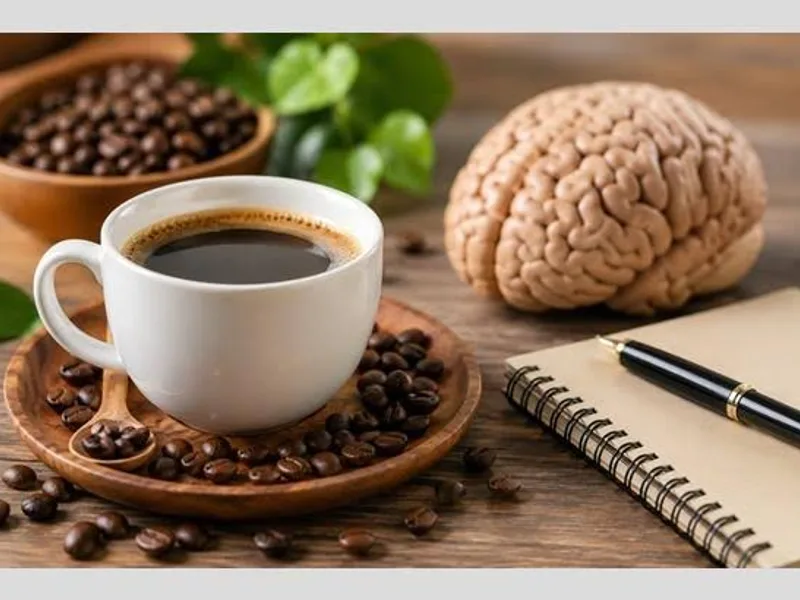
Could your daily coffee habit be protecting your brain? A massive 2026 study following more than 130,000 people for up to 43 years found that people who drank the most caffeinated coffee had an 18% lower risk of dementia. This piece breaks down what the study actually found, why decaf didn't show th
July 23, 2026
Seeking a migraine specialist in Uluberia? Discover where to find expert diagnosis and treatment for severe headaches. Get relief now.
May 20, 2026
Seeking a male fertility doctor in Jalpaiguri? Discover expert insights on male infertility, treatments, and how to find the right specialist.
May 20, 2026