

Emergency & Help
24/7 Emergency & General Advisory
🚨 24/7 Medical Emergency
Non-Emergency Advisory
10:00 AM – 6:00 PM, Mon–Sat
For appointments & general queries.
24/7 Emergency & General Advisory
🚨 24/7 Medical Emergency
Non-Emergency Advisory
10:00 AM – 6:00 PM, Mon–Sat
For appointments & general queries.
Stay updated with our latest healthcare news and your appointments.
Explore the unique health disparities faced by the LGBTQIA+ community in India, including mental health, substance use, and access to care. Learn how to advocate for change and find support.

In India, the journey towards health equity for LGBTQIA+ individuals is complex, marked by unique challenges and systemic inequalities. While global conversations highlight disparities, it's vital to understand how these manifest within the Indian context. We're talking about unfair differences in health outcomes and access to care that socially disadvantaged populations experience, and for LGBTQIA+ individuals, these differences are stark. It's not about being inherently more prone to certain conditions; it's about the societal structures and attitudes that create barriers to well-being. Let's explore these disparities, understand their roots, and discuss what we, as individuals and as a society, can do to foster a more inclusive and equitable healthcare landscape for everyone.
Mental health is a significant battleground for the LGBTQIA+ community, both globally and in India. Studies consistently show higher rates of anxiety and depression among lesbian, gay, bisexual, transgender, and queer individuals compared to their heterosexual and cisgender counterparts. Imagine this: the Anxiety and Depression Association of America (ADAA) estimates that between 30 to 60 percent of LGBTQIA+ individuals face anxiety and depression at some point in their lives. That's a staggering 150 to 200 percent higher than heterosexual individuals! The National Institute of Mental Health notes that about 7 percent of the general population experiences depression, but for LGBTQIA+ communities, this figure skyrockets. In India, while precise national statistics can be hard to come by, anecdotal evidence and localized studies paint a similar picture. The constant pressure of societal judgment, the fear of discrimination, and the struggle for acceptance can take a heavy toll. This isn't a personal failing; it's a response to an environment that often doesn't affirm or protect them.
Several factors contribute to these heightened mental health challenges:
The stress and trauma associated with health disparities can unfortunately lead to increased rates of substance misuse. The Alcohol Rehab Guide points out that about 25 percent of the general LGBTQ community experiences moderate alcohol dependency, compared to 5 to 10 percent of the general population. In India, this is often exacerbated by a lack of safe spaces and support systems. For many, especially young people facing homelessness or family rejection, substances might seem like a temporary escape from overwhelming emotional pain. This is particularly concerning for LGBTQIA+ youth, who are disproportionately affected by homelessness. When basic needs like food and shelter are unmet, seeking help for substance use disorders often falls down the priority list.
Even when seeking help, LGBTQIA+ individuals in India often face significant barriers. These aren't just about availability of services, but the quality and appropriateness of care received.
Beyond mental health and substance use, LGBTQIA+ communities can face specific health challenges, often exacerbated by the aforementioned disparities:
Addressing these disparities requires a multi-pronged approach involving individuals, communities, healthcare providers, and policymakers.
If you are experiencing persistent anxiety, depression, thoughts of self-harm, or struggling with substance use, please reach out for help immediately. Don't wait for things to get worse. Your mental and physical well-being are paramount.
Emergency Resources:
Remember, seeking help is a sign of strength. You are not alone, and there are people who want to support you. We all deserve compassionate, medically accurate, and informed healthcare, free from judgment and discrimination. Let's work together to make that a reality for every single person in India.
Visit Hospital
Near You
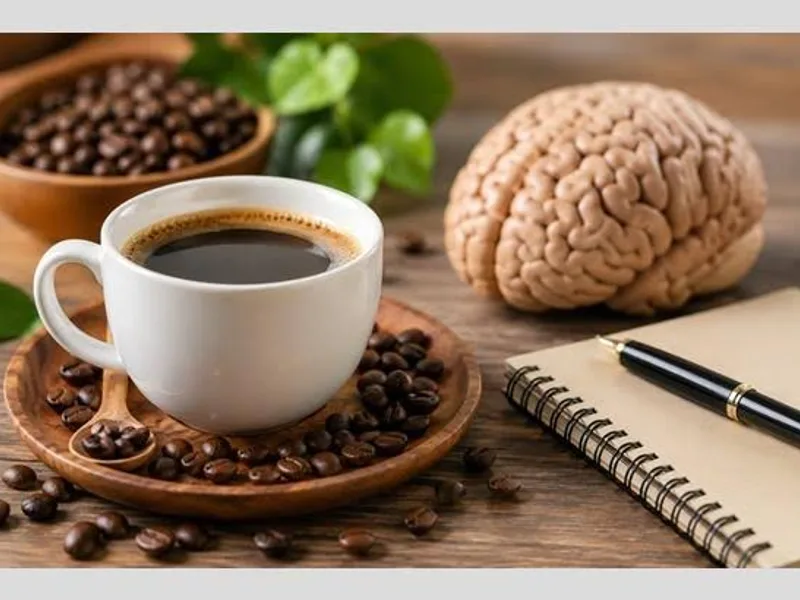
Could your daily coffee habit be protecting your brain? A massive 2026 study following more than 130,000 people for up to 43 years found that people who drank the most caffeinated coffee had an 18% lower risk of dementia. This piece breaks down what the study actually found, why decaf didn't show th
July 23, 2026
Seeking a migraine specialist in Uluberia? Discover where to find expert diagnosis and treatment for severe headaches. Get relief now.
May 20, 2026
Seeking a male fertility doctor in Jalpaiguri? Discover expert insights on male infertility, treatments, and how to find the right specialist.
May 20, 2026