

Emergency & Help
24/7 Emergency & General Advisory
🚨 24/7 Medical Emergency
Non-Emergency Advisory
10:00 AM – 6:00 PM, Mon–Sat
For appointments & general queries.
24/7 Emergency & General Advisory
🚨 24/7 Medical Emergency
Non-Emergency Advisory
10:00 AM – 6:00 PM, Mon–Sat
For appointments & general queries.
Unpacking the persistent myth that men have fewer ribs than women. Discover the scientific truth about human rib anatomy and rare exceptions.

It's a question that pops up surprisingly often, fueled by ancient stories and persistent folklore: Do men have fewer ribs than women? Many of us grew up hearing this, perhaps from a grandparent or a casual conversation. But as with many old tales, the truth is a little more complex – and in this case, scientifically straightforward. Let's dive into the anatomy of our rib cage and address this common misconception head-on. Understanding the Human Rib Cage: A Universal Design At its core, the human body follows a remarkably consistent blueprint. When it comes to the rib cage, this blueprint is the same for everyone. The vast majority of humans, regardless of whether they are male or female, are born with 12 pairs of ribs . This means a total of 24 ribs . These bony structures form a protective cage around vital organs like your heart and lungs, playing a critical role in breathing and protecting these essential components of our anatomy. Think of your ribs as a natural suit of armor. They shield your heart, lungs, liver, and other internal organs from injury. During inhalation, your rib cage expands, allowing your lungs to fill with air. When you exhale, it contracts, helping to push air out. This constant, rhythmic movement is fundamental to life itself. The Origin of the Myth: Adam and Eve's Rib So, where did this idea that men have fewer ribs come from? The most widely cited origin is the biblical creation story found in the Book of Genesis. According to this narrative, Eve was created from one of Adam's ribs. This story, passed down through generations, has led many to believe that men naturally have one less rib than women to account for the one used to create Eve. It's important to understand that this is a religious and cultural narrative , not a biological fact. Modern interpretations of this story by religious scholars often view it allegorically, focusing on themes of companionship and equality rather than literal anatomical differences. Science, on the other hand, relies on observable evidence and empirical data. A common scenario: Imagine a family gathering where an uncle jokingly tells his nephew that he has one less rib because he's a boy. The nephew, curious, later asks his mother, who then searches online and finds articles like this one, helping to debunk the myth with factual information. What Science Says: The Reality of Rib Numbers From a biological perspective, there is no discernible difference in the number of ribs between men and women . Medical science, through countless anatomical studies, X-rays, and observations, has consistently shown that both sexes typically possess 24 ribs arranged in 12 pairs. This has been a consistent finding across diverse populations and ethnicities studied worldwide. Anatomical Consistency The development of the human skeleton, including the rib cage, is governed by genetic factors that are largely the same for all humans. While there can be minor variations, these are not sex-specific. The process of forming ribs is intricate, involving the development of cartilage and bone from embryonic tissues. This process is remarkably similar for developing males and females. Why the Myth Persists Myths and folklore often have deep cultural roots and can be difficult to dislodge, even when scientific evidence contradicts them. The Adam and Eve story is a powerful narrative that has shaped cultural understanding for centuries. In many societies, especially in India, traditional beliefs and stories hold significant weight. When these stories touch upon physical characteristics, they can easily become ingrained as fact, particularly if there isn't widespread access to or understanding of scientific explanations. Exceptions to the Rule: When Rib Numbers Can Vary While the standard number of ribs is 24, like many biological systems, there can be rare exceptions. These variations are not linked to sex but rather to specific genetic conditions or developmental anomalies. It's these rare cases that sometimes fuel confusion or are misinterpreted to support the myth. Cervical Ribs One such variation is the presence of a cervical rib . This is a genetic mutation where an extra rib or ribs develop above the first rib, originating from the cervical spine (neck area). People with cervical ribs can have one or two extra ribs, either on one side or both. In many instances, these extra ribs are small, may not be fully formed bone, and can cause no symptoms at all. However, in some cases, a cervical rib can press on nerves or blood vessels, leading to pain, numbness, or a condition known as Thoracic Outlet Syndrome (TOS). It's important to remember that having a cervical rib is a congenital anomaly and has no bearing on a person's sex. Spondylocostal Dysostosis This is a rare genetic disorder that affects the development of the spine and ribs. Individuals with spondylocostal dysostosis may have fused, missing, or abnormally shaped ribs, along with spinal deformities. This condition can lead to significant health problems, including breathing difficulties, due to the restricted chest cavity. Goldenhar Syndrome Also known as Oculo-Auriculo-Vertebral (OAV) spectrum, this is another rare congenital condition that can affect various parts of the body, including the spine and ribs. Rib abnormalities, such as missing or fused ribs, can be part of the presentation of Goldenhar syndrome. Again, this is a genetic condition and not related to sex. Down Syndrome While not a universal characteristic, some individuals with Down syndrome may have variations in their rib count, such as an extra rib or a missing 12th rib. However, not everyone with Down syndrome experiences these rib variations. This is due to the chromosomal differences associated with the condition. Key Takeaway: These conditions are rare genetic anomalies. They affect individuals irrespective of their sex and are not the reason for any perceived difference in rib count between men and women. Debunking the Myth: What You Should Know The persistent myth that men have one less rib than women is biologically unfounded. It stems from a cultural narrative, not scientific fact. Understanding the anatomy of the human body reveals a common structure shared by all. Why It Matters Dispelling such myths is important for several reasons. Firstly, it promotes accurate health literacy. When people understand their bodies based on scientific evidence, they can make more informed decisions about their health. Secondly, it helps to challenge outdated beliefs that can sometimes lead to unnecessary confusion or even discrimination. In a country like India, where traditional beliefs are strong, clear, evidence-based information is vital for public health education. What to Do Next If you've heard this myth and are curious, the best approach is to rely on credible sources of information, like reputable health websites, medical professionals, and scientific literature. If you have specific concerns about your health or anatomy, always consult a doctor. They can provide personalized advice and address any questions you may have based on your individual health status. When to Consult a Doctor About Ribs For the vast majority of people, rib count is not a health concern. However, there are situations where you should seek medical advice: Persistent Chest Pain: If you experience sudden, sharp, or ongoing pain in your chest or rib area, it's essential to get it checked. Breathing Difficulties: Any unexplained shortness of breath or difficulty breathing requires immediate medical attention. Visible Deformities: If you notice any unusual lumps, bumps, or deformities around your rib cage, especially if they are accompanied by pain. Suspected Genetic Conditions: If there's a family history of skeletal anomalies or if you've been diagnosed with a condition that affects bone development, discuss it with your doctor. A real-life scenario: A young woman, excited about a new fitness routine, experiences sharp pain when she twists her body. Initially, she dismisses it as muscle strain. However, the pain persists and worsens with certain movements. She decides to see her doctor, who, after an examination and possibly an X-ray, determines the cause and recommends appropriate exercises and rest. FAQ Section Q1: Is it true that men have 23 ribs and women have 24? No, this is a persistent myth. Both men and women typically have 12 pairs of ribs, totaling 24 ribs. There is no biological difference in rib count based on sex. Q2: What is a cervical rib? A cervical rib is an extra rib that some people are born with, located above the first rib, extending from the neck area. It's a genetic anomaly and not related to sex. Most people with a cervical rib have no symptoms. Q3: Can rib abnormalities cause health problems? Yes, in rare cases. Conditions like cervical ribs can sometimes lead to nerve or blood vessel compression, causing pain or Thoracic Outlet Syndrome. Severe rib abnormalities due to genetic disorders can affect breathing and require medical intervention. Q4: If I have pain in my ribs, should I worry? Rib pain can have many causes, from minor muscle strains to more serious issues. It's always best to consult a doctor if you experience persistent or severe rib pain, especially if it's
In summary, timely diagnosis, evidence-based treatment, and prevention-focused care improve long-term health outcomes.
Visit Hospital
Near You

Curious about the soap pregnancy test trend? We explore how this DIY method is supposed to work, its lack of scientific evidence, and what reliable pregnancy testing options are available.
April 1, 2026

Discover the truth behind the popular folk remedy of putting potatoes in socks to cure colds. Learn why science says it doesn't work and explore the real health benefits of eating potatoes.
April 1, 2026
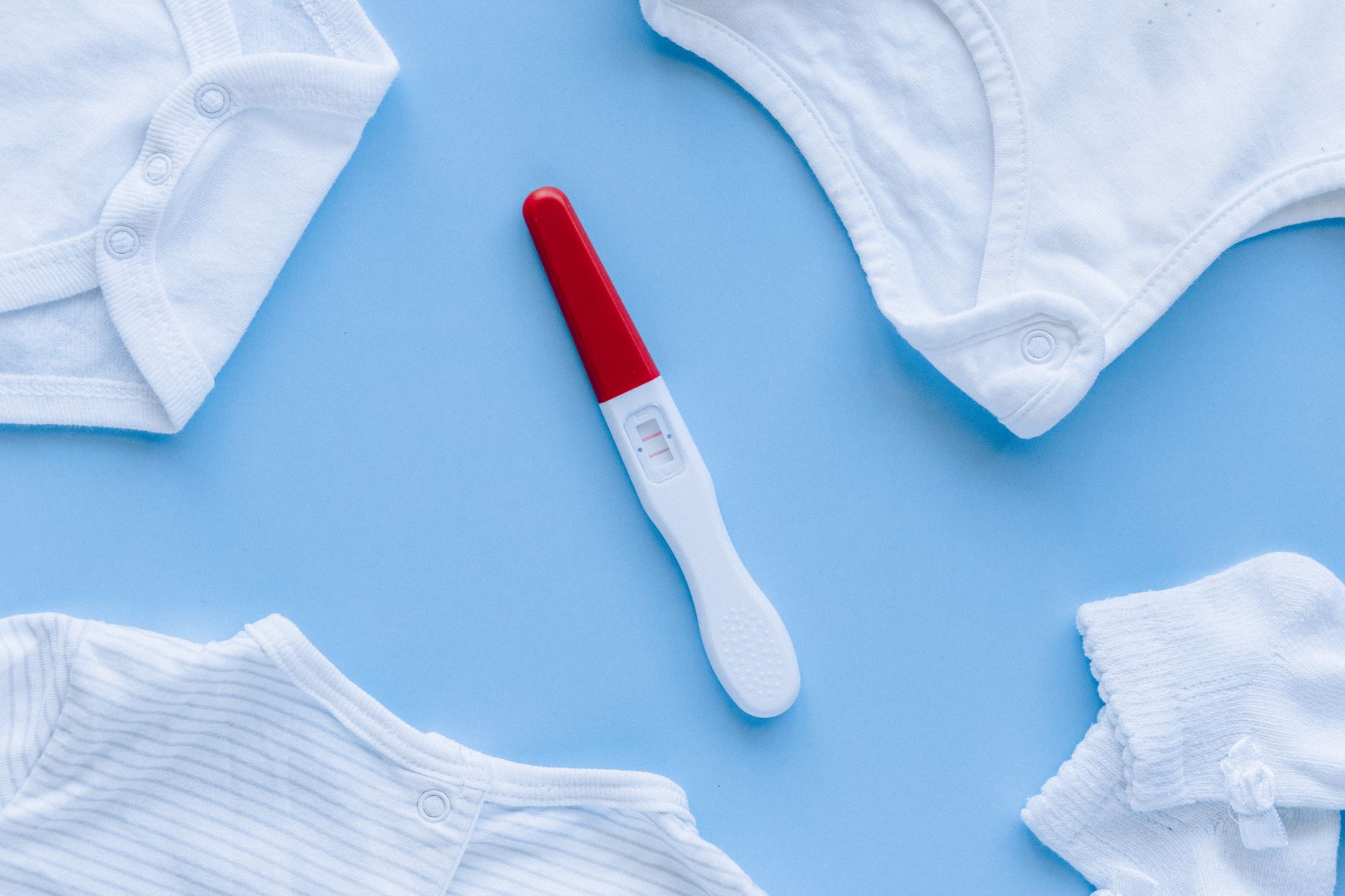
Discover why the popular toothpaste pregnancy test is not a reliable method for confirming pregnancy. Learn about the science behind it and explore accurate alternatives.
April 1, 2026