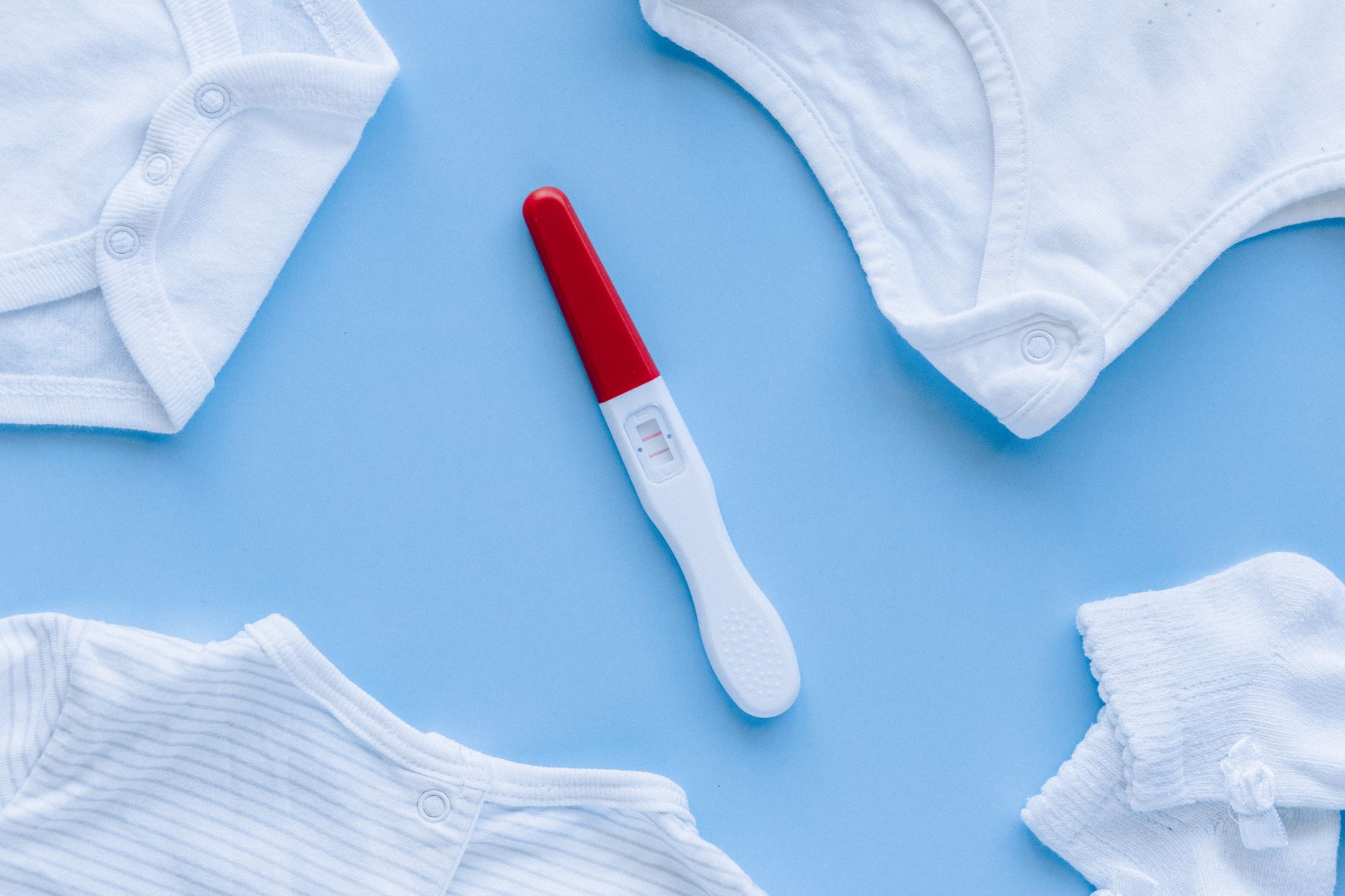
When you suspect you might be pregnant, the urge to know the answer quickly can be overwhelming. For many, especially those trying to conceive, the first thought might be to grab a home pregnancy test. But what happens when you realize you've run out of tests, or perhaps you're looking for a cheaper alternative? The internet is rife with DIY remedies, and one that frequently pops up is the 'soap pregnancy test.' This method claims you can use common household soap and your first morning urine to detect pregnancy. It sounds appealingly simple and cost-effective, right? Let's dive into what this test involves, why people are curious about it, and most importantly, whether it holds any scientific validity. We'll help you understand the reality behind this popular internet trend and guide you toward reliable methods for confirming a pregnancy. Understanding How Pregnancy Tests Work To understand why the soap test is questionable, it's helpful to know how standard pregnancy tests function. After conception and implantation of the fertilized egg in the uterus, which typically happens 6 to 12 days after ovulation, the body begins to produce a hormone called human chorionic gonadotropin (hCG). This hormone is often referred to as the 'pregnancy hormone.' Over-the-counter (OTC) home pregnancy tests are designed to detect the presence of hCG in your urine. They work by using antibodies that bind to the hCG hormone. If hCG is present, it triggers a chemical reaction that causes the test line or indicator to appear, signalling a positive result. The accuracy of these tests is generally very high, especially when used correctly and after a missed period. The Soap Pregnancy Test: How It's Supposed to Work The concept behind the soap pregnancy test is that this same hormone, hCG, will react with soap in a specific way. While there isn't one single, universally agreed-upon method described online, the general idea is as follows: Collect Urine: You'll need to collect your first morning urine in a clean container. The reasoning here is that first morning urine is usually the most concentrated, meaning it would have the highest levels of hCG if you are pregnant. Add Soap: Next, you add soap to the urine. The type and amount of soap can vary depending on the online source. Some suggest using a small piece of bar soap, while others recommend a few squirts of liquid dish soap. Some even suggest a specific ratio, like three parts urine to one part soap. Observe the Reaction: The supposed indicator of pregnancy is a change in the soap-urine mixture. Different versions of the test suggest different outcomes. Some claim the mixture will become extra frothy or bubbly if you're pregnant. Others suggest a color change, perhaps turning greenish. The general consensus is that if there's a noticeable reaction, it's a positive sign. If nothing happens, it's considered negative. Red Flags and Lack of Scientific Evidence Now, let's address the elephant in the room: is this method reliable? The short answer is no. Despite its popularity on various websites and forums, there is a significant lack of scientific research to support the accuracy of the soap pregnancy test. Here's why you should be skeptical: No Research: Unlike standard OTC pregnancy tests, which have undergone extensive clinical studies to prove their accuracy, there are no peer-reviewed studies validating the soap test. Medical professionals and researchers have not investigated this method. Variable Soap Ingredients: Soaps are not standardized. They contain a wide array of chemicals, fragrances, and surfactants. These ingredients can react with urine in unpredictable ways, regardless of hCG levels. For instance, adding certain types of dish soap to urine might naturally cause it to foam or change color simply due to the soap's chemical composition, not because of a pregnancy hormone. Potential for False Positives: Because soap ingredients can react unpredictably, it's highly possible to get a 'positive' result even when you are not pregnant. A frothy mixture or a color change doesn't automatically mean hCG is present. Potential for False Negatives: Conversely, if the reaction doesn't occur as expected, you might get a 'negative' result even if you are pregnant. This could happen if the specific soap used doesn't react visibly with urine, or if the hCG levels are not yet high enough to produce a noticeable (though unscientific) change. Anecdotal Evidence Isn't Proof: While many people share their experiences online, anecdotal evidence is not a substitute for scientific proof. Personal stories, while compelling, can be influenced by many factors, including coincidence, memory bias, and the natural variation in how people perceive results. A Real-Life Scenario Imagine Sarah, who is trying to conceive. She misses her period by a day and feels a strange wave of fatigue. Eager to know if she's pregnant, she rushes to her bathroom, only to find she has no home pregnancy tests left. Remembering a tip from a friend, she grabs a bar of her usual hand soap and her first morning urine. She mixes them, and to her surprise, the mixture becomes quite foamy. Overjoyed, she immediately assumes she's pregnant. However, a few days later, her period arrives, leaving her confused and disappointed. The foam she saw was likely just a natural reaction of the soap to the urine, not a sign of hCG. Accurate Ways to Test for Pregnancy If you suspect you might be pregnant, it's essential to use reliable methods. Fortunately, there are several accurate and easily accessible options: 1. Over-the-Counter (OTC) Home Pregnancy Tests These are the most common and convenient way to test for pregnancy at home. They are widely available at pharmacies, supermarkets, and even online. How they work: They detect hCG in your urine. When to test: For best accuracy, wait until the first day of your missed period. Testing too early can lead to false negatives because hCG levels might not be high enough to detect. Accuracy: When used as directed, OTC tests are highly accurate, often over 99%. Tip: If you are testing early, consider using your first morning urine, as it's the most concentrated. 2. Blood Tests at a Doctor's Office If you need confirmation or want to test very early, a blood test performed by a healthcare provider is an excellent option. Types of blood tests: There are two main types: qualitative (which detects hCG and says yes or no) and quantitative (which measures the exact amount of hCG in the blood). Sensitivity: Blood tests can detect hCG earlier and in smaller amounts than urine tests, making them more sensitive. When to test: A blood test can detect pregnancy as early as 6 to 8 days after ovulation. 3. Consulting a Healthcare Provider Regardless of your home test results, visiting your doctor or a healthcare provider is always recommended. They can confirm the pregnancy, discuss your next steps, and begin prenatal care if applicable. They can also help rule out other causes for missed periods or pregnancy symptoms. When to Consult a Doctor It's advisable to consult a doctor if: You get a positive result on an at-home pregnancy test. You have symptoms of pregnancy (missed period, nausea, fatigue, breast tenderness) but get a negative result on an at-home test. You experience severe abdominal pain, unusual vaginal bleeding, or dizziness, which could indicate an ectopic pregnancy or other complications. You have concerns about your fertility or are having trouble conceiving after a year of trying (or six months if you are over 35). Key Takeaways While the idea of a cheap, at-home soap pregnancy test might seem tempting, it lacks any scientific backing and is highly unreliable. The reactions observed are likely due to the chemical properties of the soap itself, not the presence of hCG. For accurate pregnancy detection, stick to scientifically validated methods like over-the-counter urine tests or blood tests performed by a healthcare professional. Your peace of mind and accurate health information are too important to rely on unproven internet remedies. Frequently Asked Questions (FAQ) Q1: Can soap really detect pregnancy? A1: No, there is no scientific evidence to suggest that soap can accurately detect pregnancy. The reactions observed are typically due to the chemical properties of the soap and urine, not the pregnancy hormone hCG. Q2: Why did my soap and urine mixture get foamy? A2: Many soaps, especially dish soaps and some hand soaps, are formulated to create foam or lather. Mixing them with urine, which is a liquid, can easily cause this frothing, regardless of whether pregnancy hormones are present. Q3: How soon can I take a home pregnancy test? A3: Most home pregnancy tests are most accurate when taken on the first day of your missed period. Some sensitive tests can detect pregnancy a few days earlier, but testing too soon can result in a false negative. Q4: Are blood pregnancy tests more accurate than urine tests? A4: Blood pregnancy tests can detect pregnancy earlier and in smaller amounts of hCG than urine tests, making them more sensitive. However, for most women, a urine test taken at the right
In summary, timely diagnosis, evidence-based treatment, and prevention-focused care improve long-term health outcomes.