

Emergency & Help
24/7 Emergency & General Advisory
🚨 24/7 Medical Emergency
Non-Emergency Advisory
10:00 AM – 6:00 PM, Mon–Sat
For appointments & general queries.
24/7 Emergency & General Advisory
🚨 24/7 Medical Emergency
Non-Emergency Advisory
10:00 AM – 6:00 PM, Mon–Sat
For appointments & general queries.
Understand what causes freezer burn, how to identify it, and most importantly, how to prevent it to keep your frozen food tasting great. Learn why it's a quality issue, not a safety hazard.
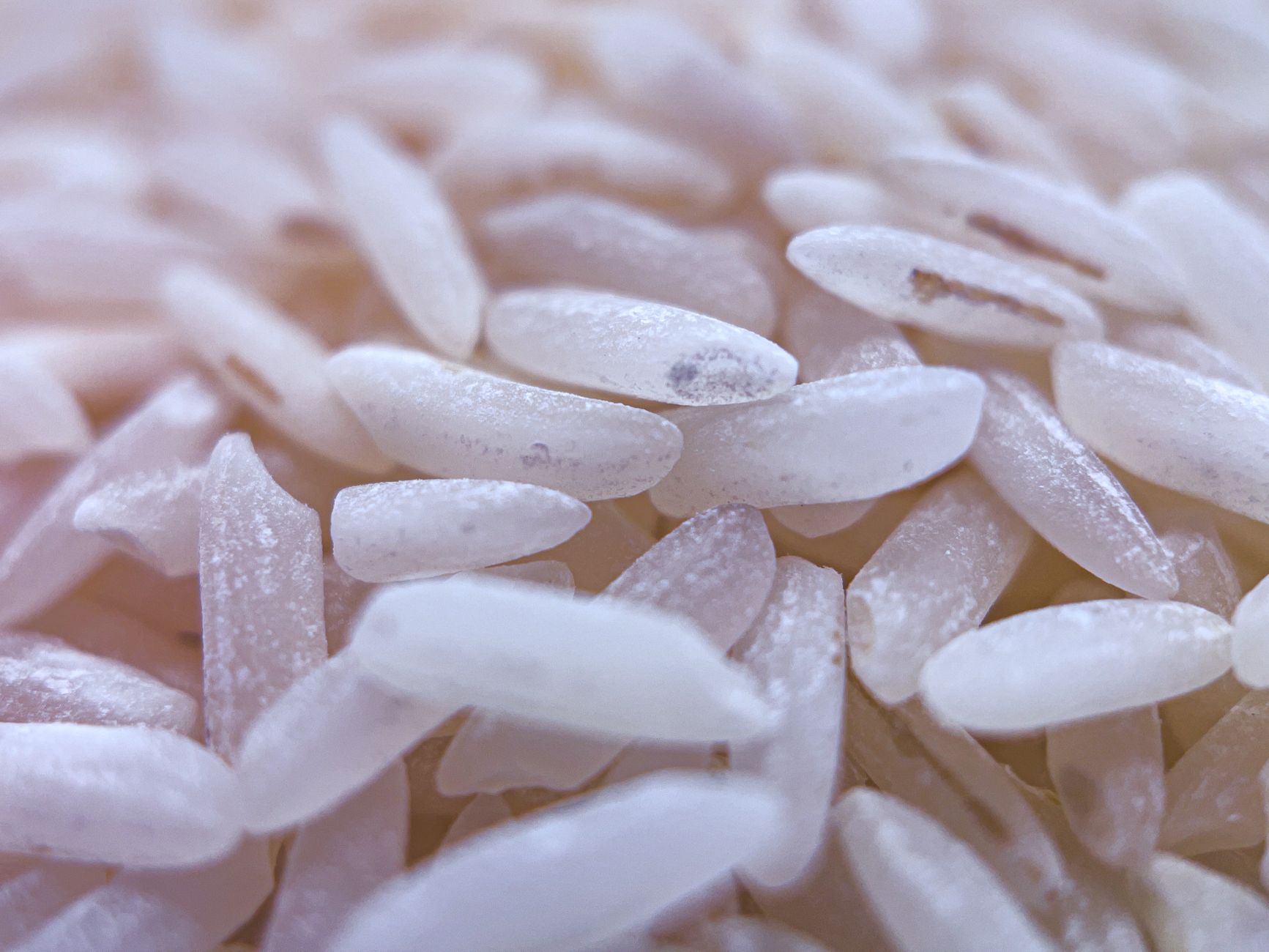
We've all been there – you reach into the freezer for that pack of chicken breasts or bag of frozen vegetables, only to find parts of it covered in dry, discolored patches. That, my friends, is freezer burn. It's a common kitchen phenomenon, but what exactly is it, and more importantly, does it make your food unsafe to eat? Let's break it down.
Freezer burn isn't a sign of spoilage or contamination. Instead, it's a result of moisture loss from the surface of frozen food. When food is exposed to air in the freezer, the water molecules on its surface can sublimate – meaning they turn directly from ice into water vapor and escape into the freezer environment. This leaves behind dry, tough, and often discolored areas on the food.
Think of it like this: imagine leaving a wet sponge out in a very dry, breezy place. Eventually, the sponge dries out. Freezer burn is a similar process, but happening in the cold, dry environment of your freezer.
The primary culprit behind freezer burn is the presence of air. When food is not properly sealed, air comes into contact with its surface. Freezers are typically very dry environments, and this dryness, combined with air circulation, draws moisture out of the food. Over time, this leads to the characteristic changes we associate with freezer burn.
Key factors contributing to freezer burn include:
Freezer burn is usually quite noticeable. Here's what to look for:
A common scenario is when you've bought a family pack of chicken, divided it into portions, and put some in the freezer. Weeks later, you pull out a bag, and the edges of the chicken pieces have that tell-tale white, dry look. You might wonder if it's still good to cook.
This is the big question! The good news is that freezer burn does not make food unsafe to eat. It's a quality issue, not a safety issue. The texture and flavor will be compromised, but it won't make you sick.
However, the affected areas can be quite unappetizing. They might be tough, dry, and lack flavor. If the freezer burn is extensive, the entire item might be noticeably less enjoyable. In such cases, it might be best to discard it, not because it's dangerous, but because you likely won't enjoy eating it.
Preventing freezer burn is all about minimizing air exposure and maintaining a stable freezer temperature. Here are practical tips for Indian households:
Don't despair if you find freezer burn on your food! Here's how you can salvage it:
For instance, if you find that your frozen paneer has a few dry spots, you can cut those off and use the rest in a curry or sabzi. The sauce will help rehydrate it during cooking.
While freezer burn itself isn't a health concern, discussions around food preservation and diet often lead to broader health questions. If you have concerns about:
It's always a good idea to speak with a healthcare professional or a registered dietitian. They can provide personalized advice tailored to your needs.
No, freezer burn affects the quality (texture, flavor, color) but not the safety of the food. It's safe to eat after trimming the affected areas.
You cannot get sick from the freezer burn itself. However, if the food was already unsafe before freezing (e.g., due to improper handling), then it could still be unsafe. Always practice good food hygiene.
While freezer-burned food is safe, its quality degrades over time. For best quality, most frozen foods are recommended for consumption within 3-12 months, depending on the type of food. Always check recommended storage times for specific items.
Some foods don't freeze well due to changes in texture or consistency. These include high-water-content vegetables like lettuce and cucumbers, dairy products like cream cheese and mayonnaise, and fried foods (they can become soggy).
No, adding water directly to the food before freezing is not an effective method and can actually worsen the problem by creating more ice crystals and potential for moisture loss.
Most people do not notice early warning signs right away. That is common. A simple symptom diary, basic routine checks, and timely follow-up visits can prevent small problems from becoming serious.
If you are already on treatment, stay consistent with medicines and lifestyle advice. If your symptoms change, do not guess. Check with a qualified doctor and update your plan early.
Write down symptoms, triggers, and timing for a few days.
Carry old prescriptions and test reports to your consultation.
Ask clearly about side effects, red-flag signs, and follow-up dates.
Seek urgent care for severe pain, breathing trouble, bleeding, fainting, or sudden worsening.
Visit Hospital
Near You
Seeking a weight loss doctor in Belgharia? Discover expert physicians and effective strategies for sustainable health improvements.
May 19, 2026
Learn effective strategies for managing blood sugar levels in Narendrapur. Expert advice for diabetes care and prevention.
May 19, 2026
Find the best endoscopy services in Budge Budge. Our expert specialists provide advanced diagnostic and therapeutic procedures.
May 19, 2026