

Emergency & Help
24/7 Emergency & General Advisory
🚨 24/7 Medical Emergency
Non-Emergency Advisory
10:00 AM – 6:00 PM, Mon–Sat
For appointments & general queries.
24/7 Emergency & General Advisory
🚨 24/7 Medical Emergency
Non-Emergency Advisory
10:00 AM – 6:00 PM, Mon–Sat
For appointments & general queries.
Explore proven acne treatments, from topical creams to advanced therapies. Understand causes and find the right approach for your skin.
Acne is a prevalent dermatological condition affecting millions globally. This skin manifestation arises when hair follicles become obstructed with excess skin oil and dead skin cells.
Experiencing persistent forms of this problem can indeed present considerable challenges, often significantly impacting an individual's self-esteem and overall well-being.
It is important to recognize that this problem extends beyond adolescence; numerous adults also encounter recurrent skin lesions. Various influences, including genetic predispositions, hormonal fluctuations, psychological stress, and certain medications, may initiate or exacerbate the appearance of these skin manifestations.
Excessive Sebum Production: The skin naturally secretes an oily substance known as sebum. An overabundance of this natural skin oil can lead to the obstruction of follicular openings.
Obstructed Hair Follicles: When dead skin cells accumulate and combine with these oily secretions, they form blockages within the hair follicles.
Bacterial Proliferation: A specific type of microorganism, *Propionibacterium acnes* (P. acnes), flourishes within these blocked follicles. The presence of these microbes then prompts an inflammatory response.
Inflammatory Response: The body's natural immunological reaction to such bacterial presence typically manifests as localized redness and swelling. This tissue irritation often culminates in the formation of various skin lesions, including papules and cysts.
A critical point often overlooked is that the specific classification of acne significantly influences the most efficacious management strategy. Is there a more refined approach than merely increasing facial cleansing frequency? Indeed, there is.
These formulations, available as creams, gels, and lotions, are applied directly onto the skin's surface. They frequently represent the initial intervention strategy for individuals experiencing mild to moderate forms of acne breakouts.
Benzoyl Peroxide: This compound effectively eradicates the microorganisms responsible for acne and aids in eliminating surplus skin oil and accumulated dead skin cells.
Salicylic Acid: As a beta-hydroxy acid (BHA), salicylic acid works by gently exfoliating the interior of the skin's follicular openings. Its action assists in clearing these obstructed channels.
Retinoids (e.g., Tretinoin): These Vitamin A derivatives are instrumental in preventing the obstruction of follicular openings. Additionally, they contribute to diminishing skin irritation. According to AIIMS guidelines, topical retinoid therapies are considered essential for addressing comedonal acne, which refers to blemishes like blackheads and whiteheads.
Topical Antibiotics: These agents work to decrease the presence of acne-causing microbes and lessen skin irritation. They are frequently administered in conjunction with benzoyl peroxide to mitigate the development of bacterial resistance.
For moderate to severe presentations of acne, medical professionals may prescribe oral medications. These offer a systemic approach to care.
Oral Antibiotics: Administered systemically, these medications diminish bacterial populations and widespread inflammatory responses throughout the body. Their usage is typically restricted to a defined duration.
Hormonal Therapy (e.g., Birth Control Pills): Specifically for female patients, these therapies, such as certain birth control pills, can help regulate the hormonal fluctuations that often contribute to the development of acne lesions.
Isotretinoin: This potent oral retinoid is reserved for severe, persistent forms of acne that have not responded to other management strategies. While a 2023 Lancet study affirmed its significant effectiveness, its administration necessitates vigilant oversight from a specialized physician.
Dermatologists provide various in-office procedures for particularly stubborn cases of acne.
Chemical Peels: These procedures employ specific acidic solutions to exfoliate the skin's surface and clear obstructed follicular openings.
Light and Laser Therapy: These advanced techniques specifically target acne-causing microbes and work to alleviate associated skin irritation.
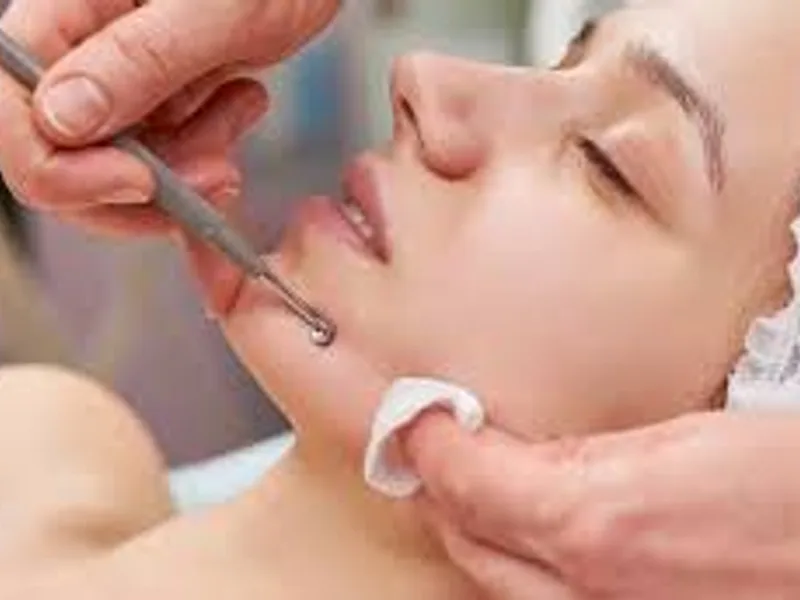
Drainage and Extraction: Trained medical professionals perform manual removal of specific types of blemishes, known as blackheads and whiteheads.
Establishing a consistent and reliable skincare regimen provides essential support for any acne management plan. Healthcare providers frequently observe individuals overlooking these fundamental steps. Adhering to these guidelines is highly advisable!
The numbers don't lie.
Gentle Cleansing: Cleanse the facial area gently twice each day using a mild, non-irritating cleanser. Rigorous scrubbing should be avoided to prevent further skin irritation.
Regular Moisturizing: Apply an oil-free, non-comedogenic moisturizer – meaning it won't block your skin's openings – daily. This practice helps to counteract dryness and any potential irritation that may arise from various therapeutic interventions.
Sun Protection: Daily application of a broad-spectrum sunscreen is imperative. Worth keeping in mind: certain acne therapies can heighten the skin's sensitivity to solar radiation.
Avoid Manipulation: It is crucial to resist the impulse to squeeze or manipulate any blemishes. Such actions can exacerbate skin irritation and significantly increase the likelihood of permanent scarring.
The reason for this caution is that manipulating the skin creates micro-injuries, which can introduce additional microbes and extend the healing process. Therefore, exercising patience is paramount.
Should readily available over-the-counter solutions prove ineffective, or if the presentation of your acne is severe, it is advisable to seek professional medical assistance. Specialized physicians possess the expertise to accurately diagnose the particular classification of your acne and to formulate a customized management strategy.
It is essential to recall that consistency in your chosen approach is critically crucial. Improving the overall health and appearance of your skin requires both time and unwavering dedication, akin to the commitment needed to master a complex culinary technique.
Medically reviewed by a qualified physician. Last updated April 2025. For informational purposes only.
No, toothpaste is unequivocally not an impactful therapeutic option for acne. Its constituent ingredients can induce irritation and excessive dryness of the skin, potentially intensifying localized inflammatory responses.
The most major strategy for preventing such scarring involves promptly addressing any active acne lesions and strictly refraining from picking or squeezing blemishes. Timely intervention from a board-certified dermatologist is therefore critical.
Here's where it gets interesting.
Observable improvements usually become apparent after approximately 4-8 weeks of consistent therapeutic application. Certain interventions, such as isotretinoin, may necessitate extended periods of use under the direct supervision of a medical practitioner.
Although the precise connection is intricate, certain research indicates that high-glycemic foods and dairy products might affect the manifestation of acne in particular individuals. Nevertheless, maintaining a well-balanced nutritional intake consistently promotes overall skin vitality.
Visit Hospital
Near You

Check the list of medical colleges in Jharkhand 2026-27, including government, private and AIIMS institutions, MBBS seats and admission details.
August 20, 2026

MBBS NEET counselling Jharkhand 2026 is being conducted through the Jharkhand Combined Entrance Competitive Examination Board (JCECEB) for eligible NEET-UG candidates.
August 20, 2026

You can text fifty people a day and still feel completely alone. That's the frequent contact loneliness paradox, and it trips up a lot of people who assume loneliness is just about how often you talk to someone. This article looks at why frequency of contact and the actual feeling of connection are
August 10, 2026