

Emergency & Help
24/7 Emergency & General Advisory
🚨 24/7 Medical Emergency
Non-Emergency Advisory
10:00 AM – 6:00 PM, Mon–Sat
For appointments & general queries.
24/7 Emergency & General Advisory
🚨 24/7 Medical Emergency
Non-Emergency Advisory
10:00 AM – 6:00 PM, Mon–Sat
For appointments & general queries.
Burnout has reached epidemic proportions — yet it remains widely misunderstood, under-diagnosed, and inadequately addressed. This article examines the structural and psychological drivers of the rise in burnout and offers evidence-based steps for both recovery and prevention.
Burnout is now recognised by the WHO as an occupational phenomenon. Understand why it's escalating and discover evidence-based strategies to recover and prevent it.
Burnout is not simply being tired after a difficult week. The World Health Organisation classified it in 2019 as an occupational phenomenon characterised by three dimensions: chronic exhaustion, increasing mental distance or cynicism toward one's work, and reduced professional efficacy. It is not, technically, a medical diagnosis — but its consequences are profoundly medical, overlapping with depression, anxiety, cardiovascular disease, and immune dysfunction. Understanding burnout requires looking beyond individual coping deficits toward the structural forces driving its ascent.
Burnout rates have risen significantly over the past two decades, with post-pandemic surveys consistently reporting 40–60% of workers experiencing some degree of burnout symptoms. Several converging forces explain this:
Always-on digital culture: Smartphones and remote work have collapsed the boundary between professional and personal time. Research from Virginia Tech confirmed that the mere expectation of after-hours email availability increases anxiety and burnout, even when workers choose not to respond.
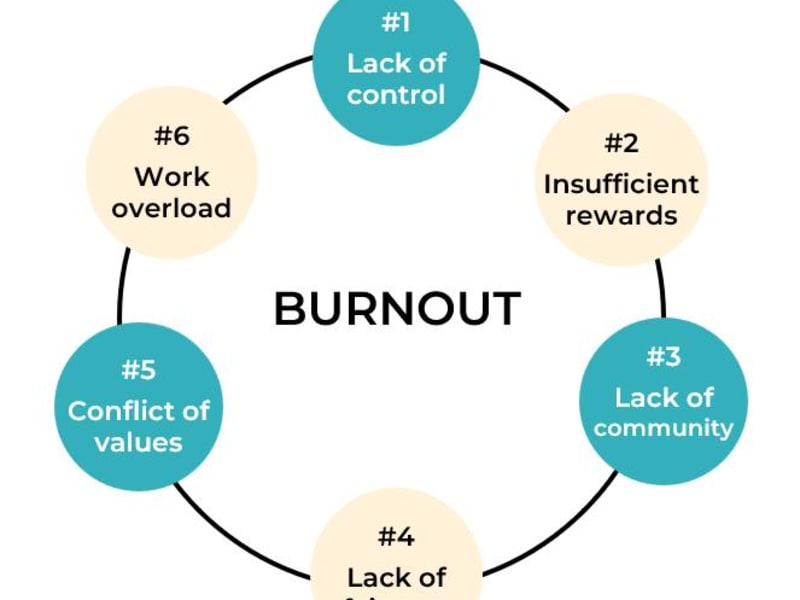
Autonomy erosion: Despite "flexible work" rhetoric, many workers have less real control over their tasks, schedules, and workload than previous generations — a primary burnout precursor identified in Christina Maslach's foundational Burnout Inventory research.
Values mismatch: When workers are asked to repeatedly act against their values (through exploitative practices, unethical requests, or meaningless tasks), the moral injury compounds emotional exhaustion.
Performative productivity culture: The normalisation of overwork as identity — "hustle culture" — pathologises rest and creates conditions where asking for support signals failure.
Pandemic compounding: COVID-19 superimposed grief, caregiving demands, social isolation, and existential threat onto existing occupational stressors, accelerating burnout across demographics.
Recovery from burnout is not a two-week holiday. It requires structural and psychological change:
Boundary-setting as a clinical intervention: Research by Leiter and Maslach shows that enforced workload limits and recovery time are more effective than resilience training alone
Rest as active recovery: Passive rest (sleep, time in nature, non-stimulating leisure) shows superior neurological recovery compared to social media use
Values clarification: Identifying and acting on core personal values restores a sense of meaning — a powerful buffer against burnout recurrence
Social connection: Chronic isolation amplifies burnout; intentional community reduces it
Physical exercise: 150+ minutes of moderate exercise weekly is associated with significantly reduced burnout severity, via HPA axis regulation
Therapeutic support: Burnout-specific cognitive behavioural therapy (CBT) and Acceptance and Commitment Therapy (ACT) have evidence for effectiveness in occupational burnout
Burnout is rising because it is structurally enabled — by workplaces, cultures, and technologies designed to extract maximum output with insufficient recovery. Addressing it requires both individual action and collective change. If you recognise the signs in yourself — emotional exhaustion, cynicism, reduced efficacy — treat it with the seriousness of any chronic health condition. Recovery is possible, but it requires real rest, real change, and real support.
1. What is burnout?
A state of chronic exhaustion, cynicism, and reduced work performance caused by prolonged stress.
2. Why is burnout increasing?
Due to always-on work culture, high stress, low control, and poor work-life boundaries.
3. How can burnout be managed?
By setting boundaries, getting proper rest, exercising, and seeking support.
Author: Doctar Team
Disclaimer: For more information contact Doctar Team
Visit Hospital
Near You

Check the list of medical colleges in Jharkhand 2026-27, including government, private and AIIMS institutions, MBBS seats and admission details.
August 20, 2026

MBBS NEET counselling Jharkhand 2026 is being conducted through the Jharkhand Combined Entrance Competitive Examination Board (JCECEB) for eligible NEET-UG candidates.
August 20, 2026

You can text fifty people a day and still feel completely alone. That's the frequent contact loneliness paradox, and it trips up a lot of people who assume loneliness is just about how often you talk to someone. This article looks at why frequency of contact and the actual feeling of connection are
August 10, 2026