Trayodashang Guggulu: Benefits, Uses & Side Effects
Explore Trayodashang Guggulu's benefits for joint pain, arthritis, and more. Learn about its uses, dosages, and potential side effects.
Trayodashang Guggulu: An Ayurvedic Solution for Musculoskeletal Wellness
Meena, 45, a homemaker from Jaipur, experienced increasing stiffness in her knees, particularly after extended periods of sitting on the floor for religious ceremonies. The monsoon season seemed to worsen her discomfort, making even basic household tasks challenging. Having heard about traditional remedies, she decided to explore Ayurvedic options and discovered Trayodashang Guggulu, a blend often recommended for joint ailments.
This ancient herbal compound, grounded in Ayurvedic principles, has been utilized for centuries to address various musculoskeletal issues. Its effectiveness stems from its unique mix of potent botanicals, working together to lessen swelling and encourage joint wellness.
The realm of Ayurveda presents a rich array of natural remedies, and Trayodashang Guggulu stands out as a prominent treatment for conditions impacting bones, muscles, and joints. Its name, originating from Sanskrit, reflects its composition: 'Trayodash' means thirteen, and 'Ang' signifies parts or components, alluding to the thirteen principal ingredients forming its foundation.
This blend is particularly valued for its therapeutic qualities in managing discomfort and rigidity linked to arthritis, gout, sciatica, and other inflammatory joint conditions. Understanding the science behind these age-old remedies can empower individuals to make informed wellness choices.
That's the part worth remembering.
Understanding Trayodashang Guggulu
Trayodashang Guggulu is an Ayurvedic blend primarily indicated for Vata-related imbalances, especially those affecting the joints and bones. It is a classical Ayurvedic medicine, meaning its composition is detailed in ancient Ayurvedic texts, ensuring a consistent and proven method for its preparation and application.
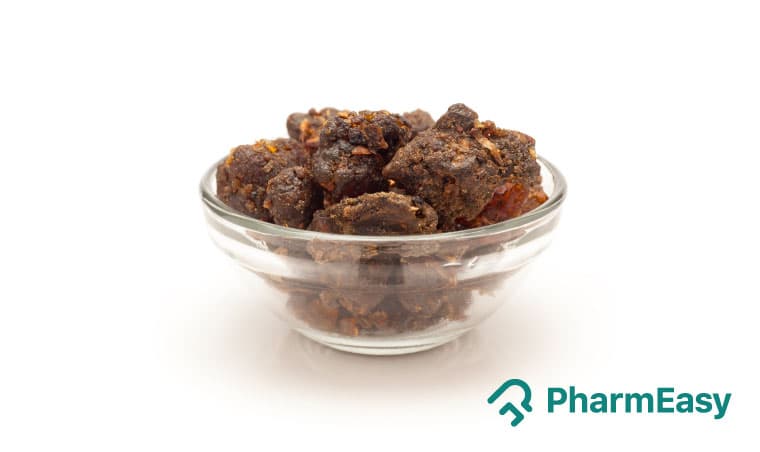
The core of this medicine is Guggulu (Commiphora wightii), a resinous sap from an Indian tree, recognized for its powerful anti-swelling and pain-relief properties. Guggulu functions as a yogavahi, enhancing the therapeutic effects of the other herbs it's combined with.
The thirteen botanicals in Trayodashang Guggulu are chosen specifically for their targeted actions on the musculoskeletal system. These frequently include herbs such as:
- Guggulu (Commiphora wightii): The foundational element, known for its anti-swelling and pain-alleviating effects.
- Ashwagandha (Withania somnifera): An adaptogen that helps reduce stress and swelling, also supporting muscle resilience.
- Shunthi (Zingiber officinale - Dried Ginger): Possesses anti-swelling and pain-relief qualities, aiding digestion and reducing ama (impurities).
- Maricha (Piper nigrum - Black Pepper): Boosts the absorption of other herbs and has digestive benefits.
- Pippali (Piper longum - Long Pepper): Stimulates digestion and metabolism, helping to clear bodily channels.
- Haritaki (Terminalia chebula): Astringent and detoxifying, assists in reducing swelling.
- Bibhitaki (Terminalia bellirica): Also detoxifying and beneficial for Vata imbalances.
- Amalaki (Emblica officinalis - Amla): Rich in Vitamin C, an antioxidant, and anti-swelling.
- Nishoth (Ipomoea turpethum): A purgative herb used to eliminate impurities.
- Danti (Baliospermum montanum): Another purgative herb.
- Shatavari (Asparagus racemosus): Known for its rejuvenating and anti-swelling properties, particularly beneficial for mucous membranes.
- Rasna (Pluchea lanceolata): A potent herb for Vata disorders and swelling.
- Guduchi (Tinospora cordifolia): Recognized for its immune-modulating and anti-swelling effects.
The exact combination and processing of these botanicals are vital for creating genuine Trayodashang Guggulu, often involving specific Ayurvedic methods (bhavana) to increase its potency.
Key Uses and Benefits of Trayodashang Guggulu
Trayodashang Guggulu is primarily used to manage pain and swelling in various musculoskeletal conditions. Its therapeutic actions are extensive, making it a versatile remedy within Ayurvedic practice. This means a potential natural path for relief from persistent discomfort.
1. Arthritis and Joint Pain
This is perhaps the most recognized application of Trayodashang Guggulu. It is highly effective in managing pain, swelling, and rigidity associated with osteoarthritis, rheumatoid arthritis, and gout. The anti-swelling herbs in the blend work to decrease joint inflammation, while Guggulu's pain-alleviating qualities ease discomfort. Studies, including those published in journals like The Lancet, have noted the effectiveness of Ayurvedic herbs in managing inflammatory conditions, and Trayodashang Guggulu utilizes many of these powerful components. In numerous instances, consistent use can lead to improved joint movement and less reliance on conventional pain relievers.
2. Back Pain and Sciatica
Chronic back pain and sciatica, often stemming from Vata imbalance and nerve pressure, can find substantial relief with Trayodashang Guggulu. It helps to reduce swelling around spinal nerves and muscles, easing pain and enhancing flexibility.
It sounds simple. It rarely is.
Its effect on nerve tissues and its anti-swelling properties make it a valuable management for conditions like lumbar spondylosis and pain from disc herniation. Many people experience debilitating back pain that interferes with their daily lives.
3. Gout Management
Gout, a type of inflammatory arthritis marked by sudden, severe bouts of pain, redness, and tenderness, often in the big toe, is another condition where Trayodashang Guggulu shows promise. It helps to lower uric acid levels and swelling linked to gout attacks, preventing future occurrences.
The detoxifying botanicals within the blend aid in expelling metabolic impurities that can contribute to gout.
4. Osteoporosis Support
While not a direct cure, Trayodashang Guggulu can support bone wellness and potentially slow bone deterioration in osteoporosis. Ingredients like Ashwagandha and Guggulu are known to strengthen bones and improve calcium uptake.
Research from organizations like the Indian Council of Medical Research (ICMR) continues to investigate the role of traditional medicine in managing chronic ailments, including bone wellness. Over 101 million Indians have diabetes (ICMR, 2023), a issue often linked with a higher risk of osteoporosis, emphasizing the significance of holistic wellness approaches.
That alone changes everything.
5. Muscle Spasms and Stiffness
The blend's capacity to pacify Vata and reduce swelling makes it proven for muscle spasms, cramps, and general rigidity. This can be particularly helpful for individuals experiencing discomfort after physical activity or due to prolonged immobility, such as those who spend considerable time sitting on the floor – a common posture in many Indian homes.
6. Neurological Disorders (Supportive Role)
In certain Ayurvedic contexts, Trayodashang Guggulu is also used as an adjunct therapy for specific neurological disorders involving Vata imbalance, such as facial palsy or tremors. Its action on nerve tissues can offer supportive benefits.
The holistic perspective of Ayurveda views illnesses not just as isolated symptoms but as imbalances within the body's systems. Trayodashang Guggulu addresses these imbalances, aiming for lasting well-being rather than just temporary symptom relief.
How to Use Trayodashang Guggulu
Trayodashang Guggulu is typically offered in tablet or capsule form. The dosage and duration of use depend on the individual's disorder, age, and symptom severity. It is usually advised to take 1-2 tablets twice daily, often after meals.
Here's where it gets interesting.
Important Considerations for Usage:
- Consultation is Essential: Always speak with a qualified Ayurvedic practitioner or physician before beginning Trayodashang Guggulu. They can determine the appropriate dosage and duration based on your individual wellness profile.
- With Food: It is generally recommended to take the medicine with warm water or milk after meals to enhance absorption and minimize potential digestive upset.
- intervention Duration: care length can range from a few weeks to several months, depending on the persistence and severity of the problem being managed.
- Dietary Adjustments: During therapy, following a Vata-pacifying diet is often suggested, avoiding cold, dry, and rough foods, and including warm, nourishing meals. This aligns with traditional Ayurvedic dietary guidance, especially relevant during the cooler monsoon months or after consuming rich festival foods.
Potential Side Effects and Precautions
While generally considered safe when used as directed by a healthcare professional, Trayodashang Guggulu may cause some adverse effects in certain individuals. Understanding potential negative effects is crucial for safe use.
Possible Side Effects:
- Digestive Issues: Some individuals might experience mild gastrointestinal discomfort, such as bloating, gas, or diarrhoea, particularly if taken on an empty stomach or in higher amounts.
- Allergic Reactions: Though uncommon, allergic responses to any of the herbal components are possible.
- Increased Pitta: In individuals with a dominant Pitta constitution or imbalance, excessive use might worsen Pitta, leading to signs like acidity or burning sensations.
Precautions:
- Pregnancy and Breastfeeding: Pregnant or breastfeeding women should avoid using Trayodashang Guggulu unless specifically advised by a healthcare provider.
- Children: Use in children requires strict medical oversight.
- Pre-existing Conditions: Individuals with existing medical conditions, particularly those involving the liver or kidneys, should proceed with caution and consult their doctor.
- Drug Interactions: If you are taking other medications, inform your doctor about your plan to use Trayodashang Guggulu, as potential interactions could occur.
The World Health Organization (WHO) acknowledges the significance of traditional medicine and its incorporation into healthcare systems. However, it also stresses the need for thorough scientific validation and safety monitoring.
According to the International Diabetes Federation (IDF) Atlas, diabetes prevalence in India is remarkably high, and many associated conditions, like neuropathy and joint issues, benefit from integrated approaches.
Conclusion: A Time-Tested Remedy for Modern Ailments
Trayodashang Guggulu represents a valuable part of the Ayurvedic pharmacopoeia, offering a natural and reliable method for managing many kinds of musculoskeletal and Vata-related disorders. Its synergistic mix of potent botanicals works to reduce swelling, ease pain, and promote overall joint and bone wellness. The effectiveness of this blend has been acknowledged for centuries, and its ongoing use in contemporary times attests to its lasting benefits.
The numbers don't lie.
While research continues to explore its full therapeutic potential, its established role in managing conditions like arthritis, back pain, and gout makes it a significant remedy for many Indians seeking natural wellness solutions. Remembering Meena's experience, it's evident that exploring such traditional wisdom can offer renewed hope and relief.
Always consult a qualified physician before making any health decisions.
Key Takeaways
- Trayodashang Guggulu is an Ayurvedic blend containing thirteen key herbs, primarily used for musculoskeletal and Vata-related disorders.
- It is highly powerful in managing pain, swelling, and rigidity associated with arthritis, gout, back pain, and sciatica.
- The blend supports bone wellness and may assist in managing osteoporosis and muscle spasms.
- While generally safe, potential adverse effects include mild digestive upset, and caution is advised for pregnant/breastfeeding women and children.
- Consultation with a qualified Ayurvedic practitioner or physician is vital before using Trayodashang Guggulu to determine appropriate dosage and duration.