Malkangani: Uses, Benefits, Side Effects & Expert Advice
Explore Malkangani's traditional uses, scientific benefits, potential side effects, and expert insights for informed health decisions in India.
Malkangani: Unveiling the Power of Jyotishmati
Meena, 45, a homemaker from Jaipur, noticed her memory slipping. Simple tasks felt overwhelming, and she worried about her ability to manage her household. Her grandmother, a staunch believer in age-old remedies, suggested trying Malkangani, also known as Jyotishmati.
This ancient herb has been a cornerstone of Ayurvedic medicine for centuries, celebrated for its ability to boost brain function and address various ailments. But what exactly is Malkangani, and how can it help?
The reality is, many of us are increasingly seeking natural solutions for modern health challenges. With over 101 million Indians living with diabetes (ICMR, 2023) and a growing awareness of mental well-being, herbs like Malkangani are gaining renewed attention. Its scientific name, Celastrus paniculatus, hints at its systematic classification, but it's its historical applications that truly capture interest. Have you ever wondered why certain plants have been revered across generations for their healing properties?
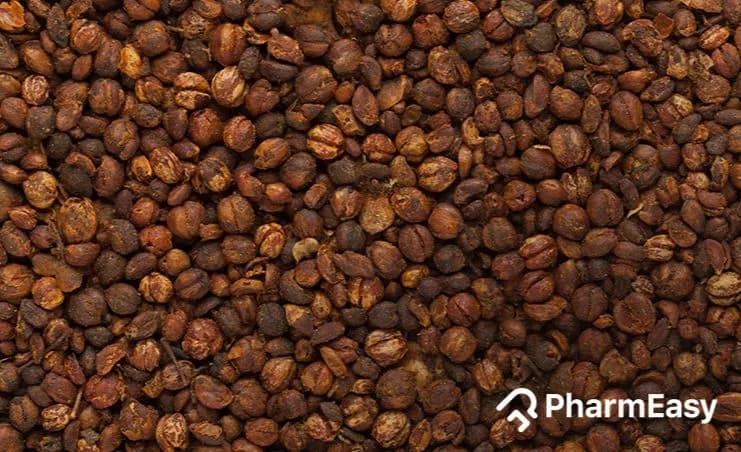
Worth knowing: Malkangani is a climbing shrub native to India and parts of Southeast Asia. Its seeds, in particular, are the most commonly used part of the plant, often processed into oil.
This oil is rich in fatty acids and other bioactive compounds believed to contribute to its therapeutic effects. The plant itself is characterized by its bright yellow fruit capsules that split open to reveal red seeds, a visually striking feature often seen during the post-monsoon season.
Historical Uses and Ayurvedic Significance
In Ayurveda, Malkangani is primarily classified as a 'Medhya Rasayana'—a rejuvenator that enhances intellect and memory. Ancient texts describe its use in improving concentration, sharpening memory, and even aiding in managing neurological disorders.
The numbers don't lie.
Vaidyas (Ayurvedic practitioners) have historically prescribed it for issues ranging from anxiety and depression to paralysis and sleep disturbances. Its bitter taste, according to Ayurvedic principles, indicates its potency and ability to balance Vata and Kapha doshas, although it can aggravate Pitta in excess.
What most people miss: The application extends beyond brain function enhancement. Historical practices also use Malkangani for its anti-inflammatory and pain-relieving properties, making it useful for joint pain and other inflammatory issues.
It has also been used topically for skin concerns and wound healing. The intricate knowledge passed down through generations highlights a deep understanding of the plant's diverse therapeutic abilities.
Exploring the Scientific Benefits of Malkangani
Modern studies are beginning to validate many of the historical claims surrounding Malkangani. Investigations have explored its neuroprotective effects, suggesting it could play a role in safeguarding brain cells from damage.
Most people overlook this completely.
Its antioxidant properties are particularly noteworthy; these compounds assist combat oxidative stress, a key factor in aging and the development of chronic diseases. This is crucial, as studies indicate that oxidative stress contributes significantly to the progression of neurodegenerative diseases.
Here's the thing — studies have highlighted Malkangani's ability to modulate neurotransmitter systems in the brain. For instance, some investigations suggest it may influence levels of acetylcholine, a neurotransmitter vital for learning and memory. This mechanism is similar to how some conventional nootropic drugs function, albeit with a natural origin.
Preliminary studies also indicate benefits for mood regulation and stress reduction, aligning with its historical use for anxiety and depression. 4 billion by 2028 (Grand View Research), underscoring the growing interest in cognitive enhancers.
Cognitive Enhancement and Memory Boost
The most celebrated benefit of Malkangani is its ability to improve cognitive function. Several animal studies have demonstrated improvements in learning and memory retention after administration of Malkangani extracts.
That alone changes everything.
These findings are attributed to its ability to increase levels of brain-derived neurotrophic factor (BDNF), a protein essential for the growth, survival, and function of neurons. A healthy BDNF level is linked to better cognitive performance and resilience against age-related cognitive decline.
So what does that mean for you? If you're experiencing mild forgetfulness or seeking to sharpen your mental acuity, Malkangani might offer a natural avenue.
However, it's vital to approach such supplements with realistic expectations. While promising, scientific evidence is still developing, and it's not a substitute for a healthy lifestyle or medical treatment for significant cognitive impairments.
Anti-inflammatory and Analgesic Properties
Malkangani's oil has been historically applied topically to alleviate pain and inflammation associated with issues like arthritis. Scientific investigations support this use, identifying compounds within the oil that exhibit anti-inflammatory activity.
These compounds can benefit reduce the production of inflammatory mediators in the body. For individuals suffering from chronic inflammatory issues, this offers a complementary therapy.
Anxiolytic and Antidepressant Potential
The herb's calming effects have also been explored. Some studies suggest that Malkangani may possess anxiolytic (anxiety-reducing) and antidepressant properties. By influencing certain neurotransmitter pathways, it could enable to moderate mood and reduce feelings of stress and anxiety.
Most people overlook this completely.
This is particularly relevant in today's fast-paced world, where mental health concerns are increasingly prevalent. The World Health Organization (WHO) estimates that depression is a leading cause of disability worldwide.
How to Use Malkangani (Jyotishmati)
The historical use of Malkangani varies depending on the intended purpose and the part of the plant used. The seeds are most common, often processed into an oil or a powder. Malkangani oil can be consumed orally in small doses—typically a few drops mixed with honey or milk. It can also be applied topically for skin issues or joint pain.
A frequent method involves consuming the seeds directly after proper processing to reduce their inherent bitterness and potential toxicity. Alternatively, the seeds can be roasted and powdered. This powder can then be incorporated into formulations or consumed with a carrier like ghee or honey.
It’s important to remember that improper preparation can render the herb unsafe. For instance, consuming raw seeds without adequate processing might lead to adverse effects.
key Note on Dosage: The precise dosage depends on the individual's constitution, the issue being treated, and the form of preparation. It is absolutely crucial to consult with a qualified Ayurvedic practitioner or a healthcare professional experienced in herbal medicine to determine the appropriate dosage and method of administration. Self-medication can be risky.
Potential Side Effects and Precautions
While Malkangani is revered for its benefits, it's not without potential side effects. Consuming excessive amounts can lead to gastrointestinal upset, including nausea, vomiting, and diarrhoea.
Some individuals might experience headaches or dizziness. Its stimulant properties mean it could potentially exacerbate issues like hypertension or insomnia if used improperly.
What most people miss: The seeds contain compounds that can be toxic in high doses. Therefore, proper processing and controlled consumption are paramount. Pregnant and breastfeeding women should avoid Malkangani due to a lack of safety data.
That alone changes everything.
Individuals with pre-existing medical issues, especially those involving the heart, kidneys, or liver, should exercise extreme caution and seek professional medical advice before use. Remember, even natural substances can interact with medications.
Here's the thing — allergic reactions, though rare, are possible. It's always advisable to start with a very small dose to assess tolerance. If you experience any adverse reactions, discontinue use immediately and consult a doctor.
Adhering to historical preparation methods, often involving specific detoxification processes, is key to mitigating risks. Studies published in reputable journals like 'The Lancet' often emphasize the importance of standardization and safety profiling for herbal medicines.
Malkangani and Drug Interactions
Given its potential effects on the central nervous system and other bodily functions, Malkangani may interact with certain medications. For example, if you are taking medications for anxiety, depression, or neurological issues, it's essential to discuss Malkangani use with your doctor.
That's the part worth remembering.
It could potentially enhance or interfere with the efficacy of these drugs. Similarly, if you are on blood thinners or medications that affect blood pressure, caution is advised.
The interaction profile is not fully documented, highlighting the need for professional guidance. Relying solely on historical knowledge without considering modern pharmacological interactions can be perilous.
Always inform your healthcare provider about all the supplements and herbs you are using. This transparency ensures your safety and allows for informed medical management.
Malkangani in Contemporary Indian Health Practices
In contemporary India, Malkangani continues to be a marked herb in Ayurvedic clinics and formulations. Its inclusion in various herbal supplements aimed at cognitive health, stress relief, and joint support reflects its enduring relevance.
Many practitioners integrate it into care plans, often alongside dietary advice and lifestyle modifications, echoing the holistic approach of Ayurveda. The Indian Council of Medical Research (ICMR) supports studies into historical Indian medicine, aiming to bridge the gap between ancient wisdom and modern science.
The cultural context of India, where healing practices are deeply ingrained, ensures that herbs like Malkangani remain accessible and trusted. Festivals often involve specific dietary patterns, and understanding how herbs interact with these can be essential.
Here's where it gets interesting.
For instance, some may incorporate Malkangani oil into their diet during certain periods, following ancestral guidance. This integration highlights the seamless blend of tradition and daily life.
Key Takeaways
- Malkangani (Jyotishmati) is a historical Ayurvedic herb primarily used for cognitive enhancement and memory improvement.
- Scientific studies are exploring its neuroprotective, antioxidant, anti-inflammatory, and anxiolytic properties.
- The seeds and their oil are the most commonly used parts, but require proper preparation to ensure safety and efficacy.
- Potential side effects include gastrointestinal upset and dizziness, with high doses potentially being toxic.
- Consulting a qualified Ayurvedic practitioner or healthcare professional is essential before using Malkangani, especially if you have pre-existing health issues or are on medication.
Always consult a qualified physician before making any medical decisions.