

Emergency & Help
24/7 Emergency & General Advisory
🚨 24/7 Medical Emergency
Non-Emergency Advisory
10:00 AM – 6:00 PM, Mon–Sat
For appointments & general queries.
24/7 Emergency & General Advisory
🚨 24/7 Medical Emergency
Non-Emergency Advisory
10:00 AM – 6:00 PM, Mon–Sat
For appointments & general queries.
Discover the most effective exercises for weight loss, from cardio and strength training to HIIT and jumping rope. Get practical tips for an Indian lifestyle.

Losing weight can feel like a mountain to climb, especially with so many conflicting pieces of advice out there. But what if we told you that the journey to a healthier you doesn't have to be complicated? It all boils down to a simple principle: burning more calories than you consume. This means a balanced diet combined with regular physical activity is your golden ticket. For our readers in India, incorporating effective exercises into your daily routine is key. We've consulted fitness experts to bring you a practical guide on the best exercises that can help you shed those stubborn pounds and keep them off.
The Mayo Clinic suggests that to lose weight or maintain weight loss, you’ll need around 300 minutes of moderate physical activity per week. That’s about 60 minutes, five days a week. If your schedule is packed, don't worry! You can split your cardio into smaller chunks. For instance, a 20-minute walk in the morning, another 20 minutes during your lunch break, and a final 20 minutes after dinner can make a big difference. Consistency is more important than intensity, especially when you're starting out.
Weight loss isn't just about sweating it out. It's a combination of two powerful approaches: cardiovascular exercise (cardio) and strength training.
Cardio workouts, as the name suggests, get your heart pumping. They are incredibly effective for weight loss because the higher your heart rate, the more fat you burn. Think of it as giving your metabolism a supercharge!
While cardio burns calories during the workout, strength training builds lean muscle mass. Muscle tissue burns more calories than fat, even when you're at rest. This means strength training helps boost your metabolism long-term, aiding in sustained weight loss.
HIIT has gained immense popularity for its efficiency. It involves short, intense bursts of exercise followed by brief recovery periods. This method significantly boosts calorie expenditure and can keep your metabolism elevated for hours after your workout.
A Sample HIIT Routine:
Repeat this circuit several times. You can also incorporate other movements like burpees and jump squats. If you have access to a treadmill, you can do intervals of sprinting for 30 seconds followed by 15 seconds of walking or resting.
Don't underestimate the power of a simple jump rope! Jumping rope is not only fun but also an incredibly effective cardio exercise. It significantly elevates your heart rate, helping you burn a substantial number of calories – potentially around 1,300 calories per hour if done at high intensity. It also enhances coordination and cognitive function.
How to do it:
You can vary your routine by jumping on one leg, then the other, or running in place while jumping. Aim for consistency, even if it's just for a few minutes each day.
Burpees are a demanding, full-body exercise that combines squats, jumps, and push-ups. They are highly effective for weight loss because they engage multiple muscle groups simultaneously, burning fat across your entire body while building strength in your chest, legs, and core.
How to do it:
To make it more cardio-intense, try to perform the movements faster. Remember to maintain good form to prevent injuries.
Meet Priya, a 35-year-old homemaker from Mumbai. She found it hard to make time for the gym with her busy schedule. She started incorporating 20-minute brisk walks after her morning tea and another 20-minute walk after dinner. On weekends, she added a 30-minute cycling session in the park. Within three months, she noticed a significant difference in her energy levels and her clothes felt looser.
Weight loss isn't confined to your workout sessions. Integrating more movement into your daily life can significantly boost your calorie burn.
Before starting any new exercise program, especially if you have pre-existing health conditions, it's always wise to consult your doctor. A doctor can help you understand any potential risks and advise on the safest approach. A certified fitness trainer can also create a personalized workout plan tailored to your specific needs and fitness level, ensuring you exercise effectively and safely.
A1: Aim for at least 150 minutes of moderate-intensity aerobic activity or 75 minutes of vigorous-intensity aerobic activity per week, or a combination of both. For weight loss, aiming for closer to 300 minutes of moderate-intensity activity per week is often recommended.
A2: While exercise is a powerful tool, sustainable weight loss typically requires a combination of a healthy diet and regular physical activity. Focusing solely on exercise without dietary changes may not yield the desired results.
A3: Yes, it's generally fine to exercise every day, but listening to your body is important. Incorporate rest days or active recovery days (like light walking or stretching) to allow your muscles to repair and prevent burnout.
A4: Spot reduction (losing fat from a specific area) is largely a myth. A combination of consistent cardio, strength training, and a healthy diet will help reduce overall body fat, including belly fat.
Visit Hospital
Near You

Explore safe and effective skin glow treatment in Kolkata. Learn about popular procedures, benefits, costs, and skincare tips from experts.
May 20, 2026

The superfood label is a marketing construct — but that doesn't mean all the foods wearing it are frauds. Some genuinely deserve the designation based on density of nutrients and breadth of evidence; others are expensive substitutes for far cheaper alternatives. Here's the honest breakdown.
April 14, 2026
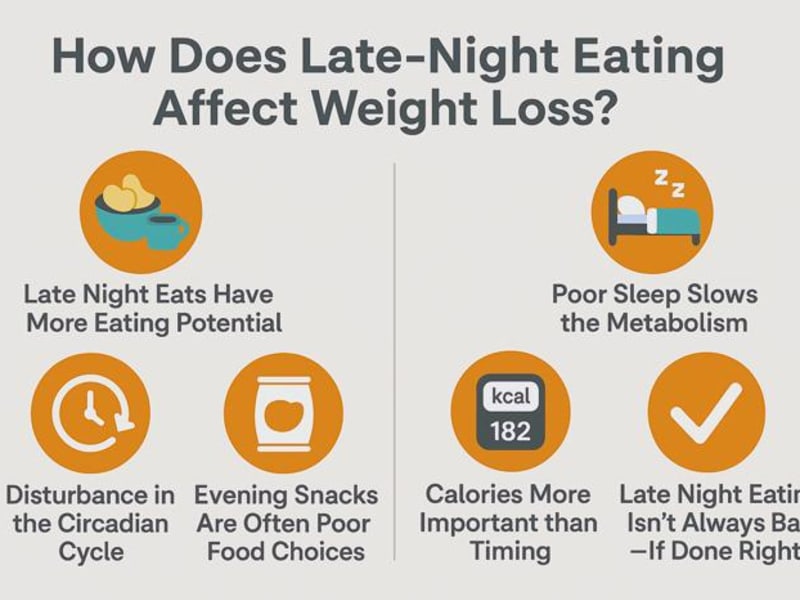
The belief that eating after 8pm automatically causes weight gain is pervasive — but the reality is more nuanced. Circadian biology, food choices, and total caloric intake all interact in ways that make the question far more interesting than a simple yes or no.
April 14, 2026