

Emergency & Help
24/7 Emergency & General Advisory
🚨 24/7 Medical Emergency
Non-Emergency Advisory
10:00 AM – 6:00 PM, Mon–Sat
For appointments & general queries.
24/7 Emergency & General Advisory
🚨 24/7 Medical Emergency
Non-Emergency Advisory
10:00 AM – 6:00 PM, Mon–Sat
For appointments & general queries.
The belief that eating after 8pm automatically causes weight gain is pervasive — but the reality is more nuanced. Circadian biology, food choices, and total caloric intake all interact in ways that make the question far more interesting than a simple yes or no.
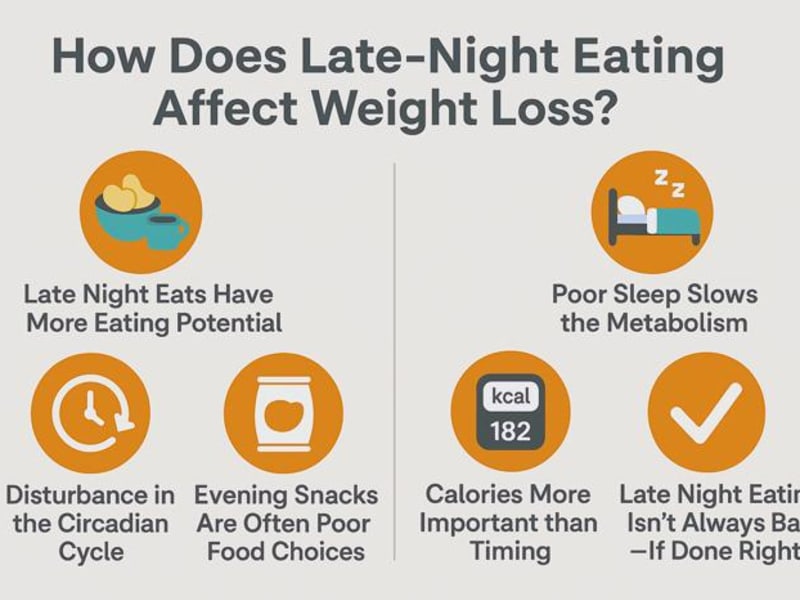
Does late-night eating cause weight gain, or is it just a myth? The science on meal timing, circadian biology, and metabolism gives a more nuanced answer.
Few dietary rules are as universally accepted as "don't eat late at night." The idea that food consumed after a certain hour is uniquely fattening has shaped dinner habits, intermittent fasting protocols, and even medical advice for decades. But does eating late at night actually cause weight gain — or is the relationship more complex? The answer sits at the intersection of circadian biology, hormonal regulation, and behavioural nutrition science.
The body does not process calories uniformly throughout the day. Circadian biology — the internal clock governing nearly every physiological process — profoundly influences metabolism. Research from the Salk Institute and multiple human studies has established that:
Insulin sensitivity is highest in the morning and declines through the day, meaning the same meal produces a larger blood glucose spike at 9pm than at 9am
Thermogenesis (the energy used to metabolise food) is 50% lower in the evening than in the morning according to research by Dr. Frank Scheer at Harvard Medical School
Cortisol and digestive enzyme activity are lower at night, slowing digestion and nutrient partitioning
Late eating suppresses evening melatonin and delays sleep onset, indirectly affecting weight via sleep-mediated hormonal disruption (reduced leptin, elevated ghrelin)
A controlled feeding study published in Current Biology (2022) found that eating four hours later in the day — with identical calories and identical foods — increased hunger-promoting hormones, reduced satiety hormones, altered fat storage pathways, and lowered body temperature in ways consistent with increased adiposity risk. This was a mechanistic study, not simply observational — the effect of timing on adiposity biology is real.
The metabolic argument for meal timing is real but secondary to total energy balance in most contexts. The primary reason late-night eating is associated with weight gain in population studies is behavioural, not mechanistic: people who eat late tend to eat more. Evening hours are associated with higher consumption of energy-dense, ultra-processed snack foods driven by stress, boredom, and hedonic eating patterns rather than genuine hunger. Screen exposure before bed activates reward pathways and suppresses satiety signalling, further amplifying intake. Studies that carefully control for total caloric intake show smaller timing effects — though not zero, particularly when late eating is chronic.
A distinct condition — Night Eating Syndrome (NES) — involves recurrent episodes of eating after the evening meal or nocturnal awakenings to eat, coupled with morning anorexia. NES affects approximately 1–2% of the general population (higher in obesity clinic populations) and is associated with depression, sleep disruption, and greater metabolic dysfunction than typical late eating.
Eating late at night is not categorically weight-neutral — the circadian evidence shows real metabolic disadvantages to consistently late eating. However, total caloric intake remains the dominant driver of weight change. The most evidence-based advice is to front-load calories earlier in the day, avoid large meals within two to three hours of sleep, and address the behavioural patterns (stress eating, screen-related snacking) that make late-night eating calorically significant.
1. Does eating late at night cause weight gain?
Not directly, but it can increase weight gain risk due to lower metabolism and higher calorie intake.
2. Is meal timing more important than calories?
No, total calorie intake matters more, but timing still has some effect.
3. What is the best time to eat for weight control?
Earlier in the day and avoiding large meals before bedtime is ideal.
Author: Doctar Team
Disclaimer: For more information contact Doctar team
Visit Hospital
Near You

Explore safe and effective skin glow treatment in Kolkata. Learn about popular procedures, benefits, costs, and skincare tips from experts.
May 20, 2026
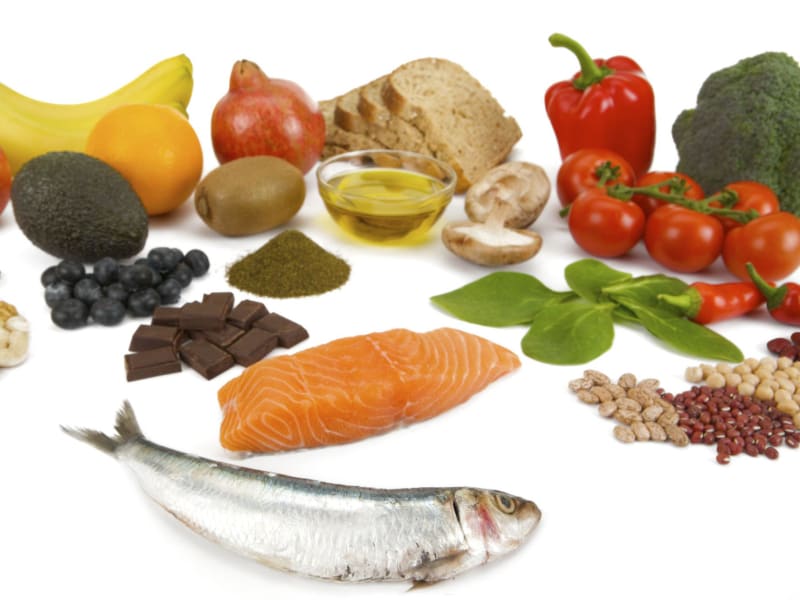
The superfood label is a marketing construct — but that doesn't mean all the foods wearing it are frauds. Some genuinely deserve the designation based on density of nutrients and breadth of evidence; others are expensive substitutes for far cheaper alternatives. Here's the honest breakdown.
April 14, 2026
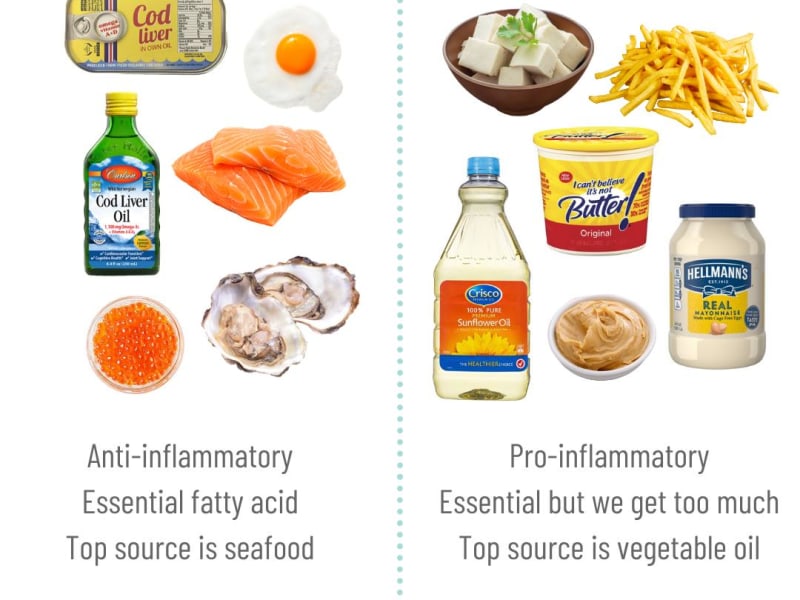
Your body needs both omega-3 and omega-6 fatty acids — but the ratio between them may be as important as their individual quantities. Modern diets have shifted this ratio dramatically, with serious implications for chronic disease and inflammation.
April 14, 2026