

Emergency & Help
24/7 Emergency & General Advisory
🚨 24/7 Medical Emergency
Non-Emergency Advisory
10:00 AM – 6:00 PM, Mon–Sat
For appointments & general queries.
24/7 Emergency & General Advisory
🚨 24/7 Medical Emergency
Non-Emergency Advisory
10:00 AM – 6:00 PM, Mon–Sat
For appointments & general queries.
The most healthy gut microbiome is by far the most robust health determinant of overall health - but most people do not eat in a manner that supports it. This list of foods that feed good bacteria and the most likely harmful foods is known as this manual.
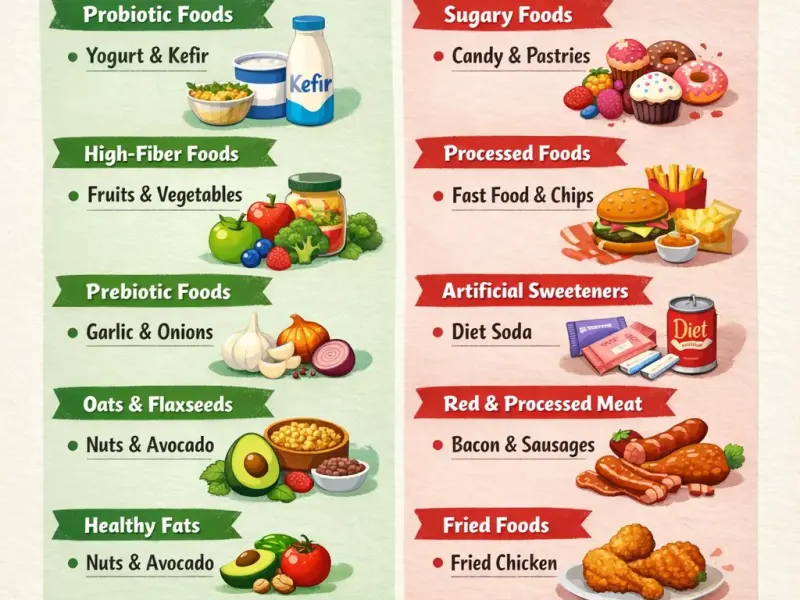
The microbiome within your intestines influences your immunity, mood and metabolism. Know precisely what to consume and to avoid to possess a well and varied gut microbiome.
The complex ecosystem of microorganisms in your gut includes about 38 trillion microorganisms - and can influence immunity, hormones, mental health, and weight. The gut microbiome diet cannot be termed as a trendy diet, it is a scientifically-backed mechanism of feeding the bacteria that maintain these systems functioning in the most ideal manner. The impact of diet on your microbiome is more instant than any other lifestyle factor and the impact can be seen within 24-48 hours of nutrition change.
The most important in gut health is diversity. A study conducted by American Gut Project and that included more than 10,000 participants found that participants that ate 30 or more varieties of plant foods per week had much more diverse microbiomes than those who ate less than 10.
Prebiotic fibre: Garlic, onions, leeks, Jerusalem artichokes, green bananas and oats are fibres that have inulin and fructooligosaccharides (FOS) that selectively feed the good bacteria.
Fermented Foods: Kefir, kimchi, sauerkraut, miso and natural yoghurt are sources of live cultures and have been reported in a 2021 Stanford study to increase microbial diversity and reduce inflammatory markers.
High in polyphenols: Dark chocolate, extra virgin olive oil and green tea are foods that contain compounds that are fuel to Lactobacillus and Bifidobacterium.
Resistant starch: When cooked and cooled, rice or potatoes, legumes and green bananas contain nutrition value to the bacteria that synthesize butyrate that keeps the gut lining intact.
Whole grains: When compared to refined grains, whole grains present to the colon in mostly intact form and offer a more diverse bacterial community.
What to Lessen or Do Away With.
Artificial sweeteners (sucralose, saccharin, aspartame) modify the glucose tolerance and microbiome composition with low doses.
Very processed foods contain emulsifiers which kill the protective lining of the colon in form of mucus.
Excessive alcohol will reduce good bacteria and increase the permeability of the intestine.
Red and processed meat overeating alters microbiome composition towards inflammatory associated species.
Clearly, Repeated antibiotic use without the inoculation of probiotics may cause an irreversible loss of microbes.
Low-fibre food - the most common cause of poor gut health - nourishes the good bacteria, and lowers the levels of butyrates.
One of the most important new discoveries in the sphere of microbiome science is the gut-brain axis, the two-way system of communication between intestinal bacteria and central nervous system using the vagus nerve. The production of serotonin is not in the brain, but in the gut, approximately 90 percent of the body. Anxiety, depression and cognitive impairment have been linked to the changes in microbiome. You should feed your microbiome not only the digestive tract, but also invest in your brain.
1. How fast does diet affect the gut microbiome?
Within 24–48 hours.
2. Best foods for gut health?
Fibre, fermented foods, whole grains, and polyphenol-rich foods.
3. What to avoid?
Processed foods, artificial sweeteners, excess alcohol, and red meat.
Gut microbiome diet is not a restriction diet but a diversity and purposeful diet. Eat more plant foods (30 or more per week), fermented foods (fermented foods daily) and eat less of the additives and unnecessary sugar that kill microbial diversity. The gut microbiome will respond to your fast-moving-by-wire-the-systemic-benefits instantly: sharper thinking, stronger immunity etc.
Website: The Gut Health Physician, Amara Osei, MD, Gastroenterology, and a clinical researcher who has studied the interactions of diet and microbiomes and inflammatory bowel diseases.
Author: Doctar team
Disclaimer- For more information connect with Doctor on Doctar.
Visit Hospital
Near You

Explore safe and effective skin glow treatment in Kolkata. Learn about popular procedures, benefits, costs, and skincare tips from experts.
May 20, 2026
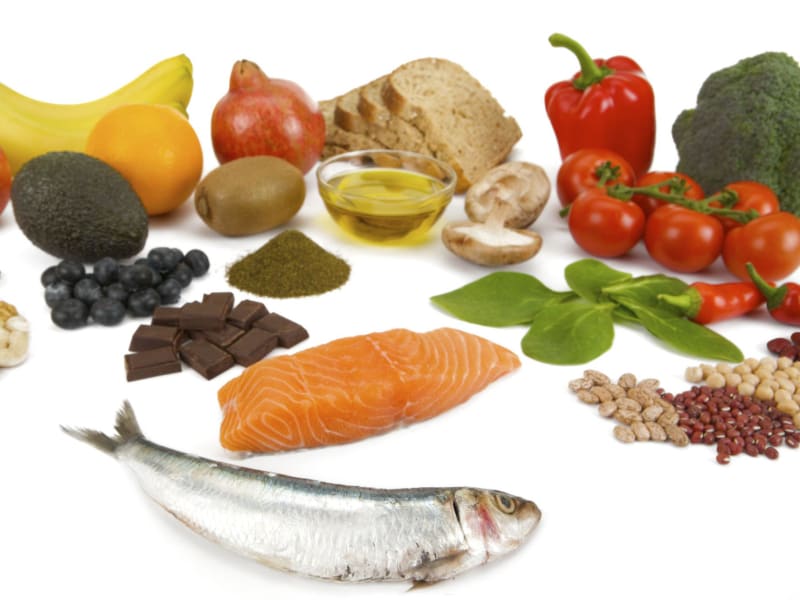
The superfood label is a marketing construct — but that doesn't mean all the foods wearing it are frauds. Some genuinely deserve the designation based on density of nutrients and breadth of evidence; others are expensive substitutes for far cheaper alternatives. Here's the honest breakdown.
April 14, 2026
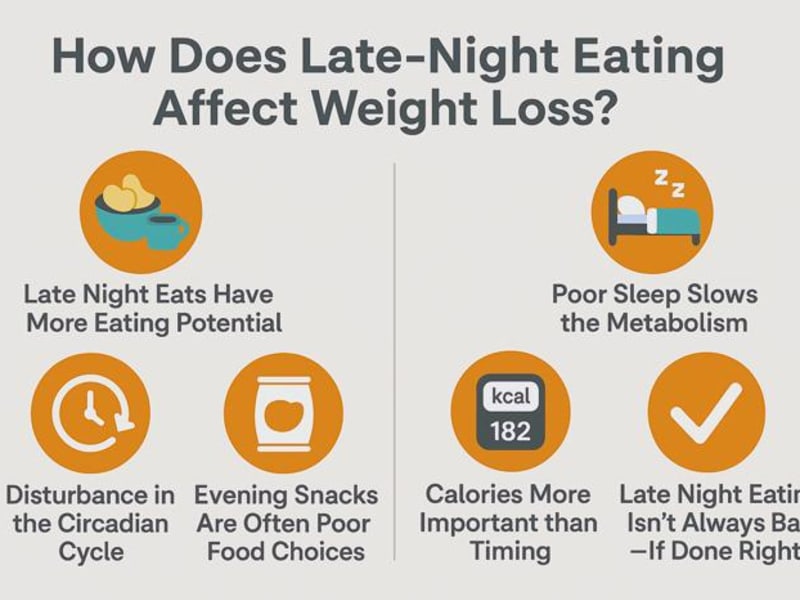
The belief that eating after 8pm automatically causes weight gain is pervasive — but the reality is more nuanced. Circadian biology, food choices, and total caloric intake all interact in ways that make the question far more interesting than a simple yes or no.
April 14, 2026