

Emergency & Help
24/7 Emergency & General Advisory
🚨 24/7 Medical Emergency
Non-Emergency Advisory
10:00 AM – 6:00 PM, Mon–Sat
For appointments & general queries.
24/7 Emergency & General Advisory
🚨 24/7 Medical Emergency
Non-Emergency Advisory
10:00 AM – 6:00 PM, Mon–Sat
For appointments & general queries.
Meal prepping is one of the most effective habits for eating healthily on a busy schedule — but it can feel overwhelming without a clear system. This beginner-friendly guide breaks the process down into a simple, repeatable weekly framework that actually works.
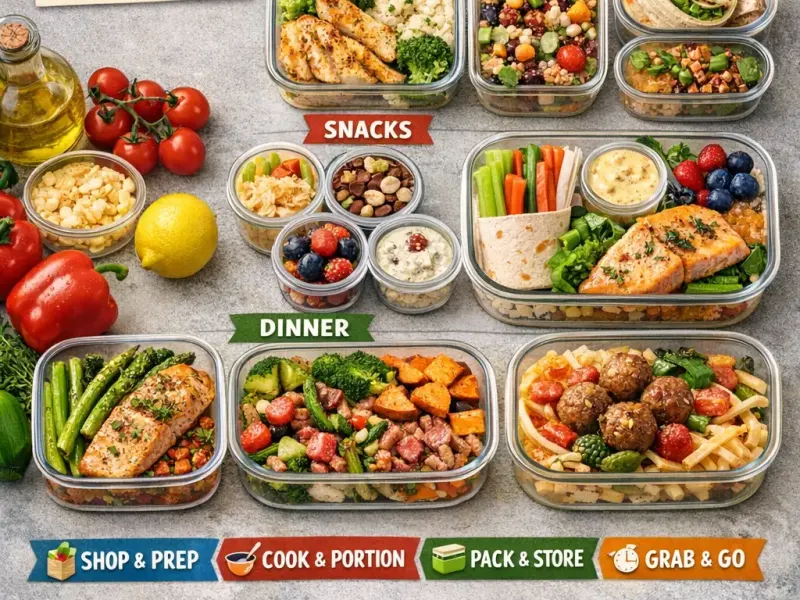
New to meal prep? This complete beginner's guide covers exactly how to plan, shop, cook, and store a week's worth of healthy meals efficiently.
Meal prepping, or the process of pre-preparing food to save time and decision fatigue when preparing food daily, is always linked to healthier food, less expensive food, and a reduction in reliance on processed convenience food and takeout. But, it may appear to be a logistical riddle in the initial stages. The fact is that you do not need to spend all day in the kitchen to cook your meals. It only takes two hours of concentration to provide one with a week of healthy food with the proper structure.
The most common reason of failure in meal prep is the absence of planning. Before you cook one product, make it clear regarding three things:
·How many meals do you need? Decide on whether you are preparing breakfasts, lunches, or dinners or all. Novices are recommended to start with a minimum of four days lunches and dinners.
·Choose complementary recipes. Select foods with similar ingredients, to reduce wastage and time taken in shopping. You need to cook the leftovers in a grain bowl and in a soup when roasting a chicken.
·Write a list of things to shop in categories ( produce, proteins, grains, pantry staples). This minimizes impulse buying and nothing is forgotten.
Purchase 2 or 3 nice airtight glass or BPA free containers. The sectioned containers will save assembly time on a daily basis and the food will be more durable than when it is combined in one large container.
put the longest-cooking dishes first: Put the grains (rice, quinoa, farro) and roasted vegetables in the oven or on the stove before other things. These do not require much care.
Ready proteins: Season and cook a batch protein -baked salmon, grilled chicken thighs, hard-boiled eggs or roasted chickpeas.
Shopping: Wash and chop salad greens, slice vegetables, rinse and drain canned legumes, cut snacks nuts and cut fruit and hummus).
·storing: Prepare and pack grains, proteins and vegetables. Individual dressing of the stores to prevent being moist.
One possible meal schedule might be: brown rice and roasted sweet potato and baked chicken thighs and a jar of tahini dressing = four of the same, but satisfying lunches with no work a day.
The largest amateur traps: preparing too much food (takes time, wastes more food), failing to consider changes in texture (the food does not always store), and preparing a whole week without knowing what you are really going to consume. Majority of prepared food has a shelf life of 3-4 days refrigerated. On Sunday and Thursday prep Monday and Wednesday to Saturday midweek or freeze portions, full week. Proteins are most easily frozen as soups, stews, cooked grains and marinated.
Meal prepping that is simplified and regular is most suitable when you are a beginner. Start small-- do four lunches the first thing-- get complicated later on as the habit gets. The time, money and quality of the diet is a payoff within a few months. As soon as one gets used to preparing meals, one cannot consider healthy eating a challenge anymore but the new norm.
1. How long does meal prep last?
Meal-prepped food stays fresh for 3–4 days in the fridge.
2. Is meal prepping hard for beginners?
No, it’s easy if you start small and keep it simple.
3. Do I need special tools for meal prep?
No, basic kitchen tools and airtight containers are enough.
Author: Doctar team
Disclaimer- For more information connect with Doctor on Doctar.
Visit Hospital
Near You

Explore safe and effective skin glow treatment in Kolkata. Learn about popular procedures, benefits, costs, and skincare tips from experts.
May 20, 2026
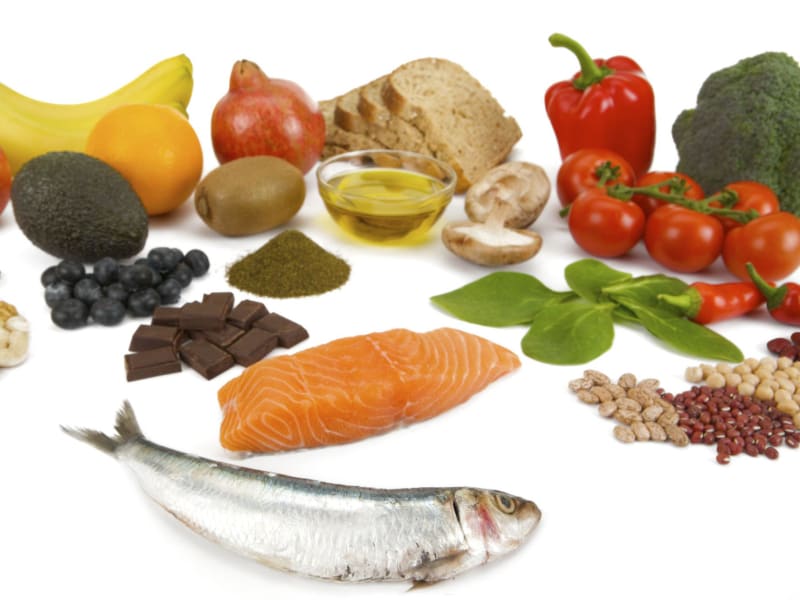
The superfood label is a marketing construct — but that doesn't mean all the foods wearing it are frauds. Some genuinely deserve the designation based on density of nutrients and breadth of evidence; others are expensive substitutes for far cheaper alternatives. Here's the honest breakdown.
April 14, 2026
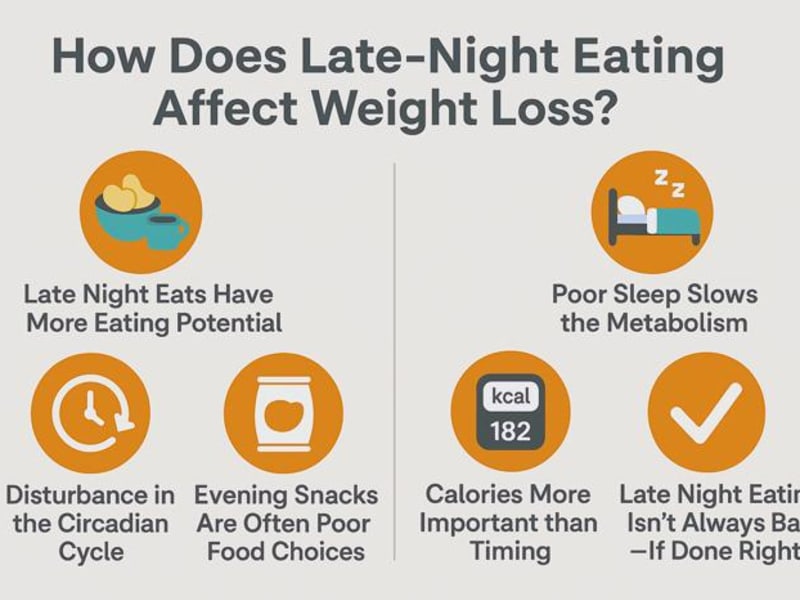
The belief that eating after 8pm automatically causes weight gain is pervasive — but the reality is more nuanced. Circadian biology, food choices, and total caloric intake all interact in ways that make the question far more interesting than a simple yes or no.
April 14, 2026