

Emergency & Help
24/7 Emergency & General Advisory
🚨 24/7 Medical Emergency
Non-Emergency Advisory
10:00 AM – 6:00 PM, Mon–Sat
For appointments & general queries.
24/7 Emergency & General Advisory
🚨 24/7 Medical Emergency
Non-Emergency Advisory
10:00 AM – 6:00 PM, Mon–Sat
For appointments & general queries.
Your body needs both omega-3 and omega-6 fatty acids — but the ratio between them may be as important as their individual quantities. Modern diets have shifted this ratio dramatically, with serious implications for chronic disease and inflammation.
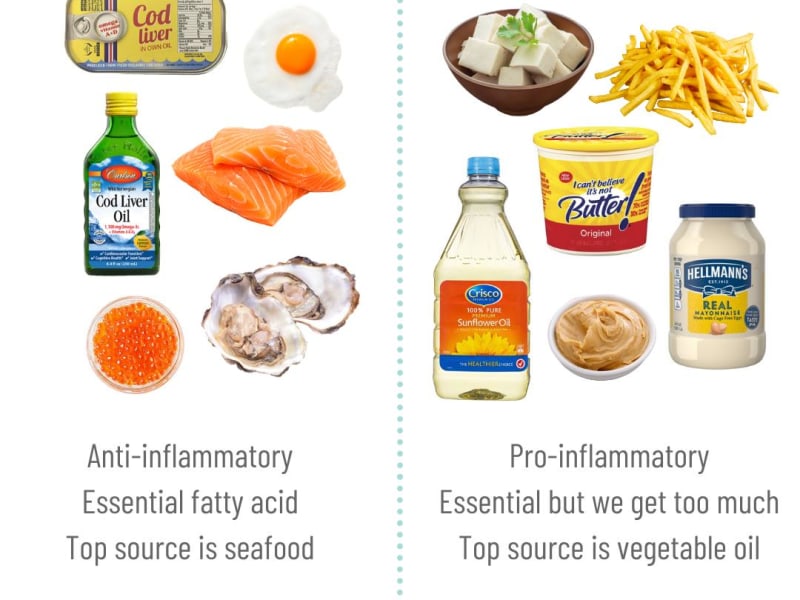
The balance between omega-3 and omega-6 fatty acids profoundly affects inflammation and chronic disease risk. Here's what the research shows and how to rebalance.The balance between omega-3 and omega-6 fatty acids profoundly affects inflammation and chronic disease risk. Here's what the research shows and how to rebalance.
Both omega-3 and omega-6 fatty acids are essential — meaning the body cannot synthesise them and must obtain them from food. They both play critical roles in cell membrane structure, brain function, and inflammatory signalling. Yet they are not interchangeable, and their balance matters in ways that most dietary guidance fails to emphasise. The omega-3 to omega-6 ratio in Western diets has shifted so dramatically from evolutionary norms that researchers increasingly consider it a significant contributor to the chronic disease epidemic.
Omega-3 and omega-6 fatty acids compete directly for the same enzymes in the body — specifically delta-5 and delta-6 desaturases — used to convert fatty acids into their longer-chain, biologically active forms. Omega-6 fatty acids (primarily linoleic acid from seed oils) are converted to arachidonic acid, a precursor to pro-inflammatory eicosanoids — signalling molecules that promote clotting, vasoconstriction, and immune activation. These inflammatory responses are necessary in acute situations but damaging when chronically elevated.
Omega-3 fatty acids (ALA from plants; EPA and DHA from fatty fish and algae) are converted to anti-inflammatory eicosanoids and resolvins — compounds that actively resolve inflammation and support immune regulation. When omega-6 intake is high relative to omega-3, the enzymes are saturated with omega-6 substrates, suppressing the conversion and activity of omega-3s. This enzyme competition explains why the ratio — not just absolute intake — is biologically significant.
Ancestral diets are estimated to have maintained an omega-6 to omega-3 ratio of approximately 1:1 to 4:1. Modern Western diets typically show ratios of 15:1 to 20:1, driven primarily by the widespread adoption of refined seed oils and the decline of fatty fish consumption. Research by Dr. Artemis Simopoulos, a pioneer in omega fatty acid research, has linked this imbalance to increased risk of cardiovascular disease, inflammatory conditions, obesity, depression, and certain cancers. Importantly, simply increasing omega-3 intake without reducing omega-6 provides partial but incomplete benefit — both sides of the equation matter.
Increase omega-3 intake: Eat fatty fish (salmon, sardines, mackerel, anchovies) at least twice weekly; add walnuts and flaxseeds to daily meals; consider algae-based DHA supplementation if fish consumption is low
Reduce refined seed oil consumption: Minimise sunflower, soybean, corn, and cottonseed oils, which are the primary omega-6 sources in Western diets
Switch cooking oils: Extra virgin olive oil (primarily monounsaturated, low in omega-6) and avocado oil are superior alternatives
Reduce ultra-processed food intake: The majority of excess omega-6 comes from packaged and restaurant foods cooked in vegetable oils
The omega-3 versus omega-6 ratio is a largely invisible but physiologically significant feature of your diet. Rebalancing it — by prioritising fatty fish and walnuts while reducing refined seed oil exposure — is one of the most evidence-based steps you can take to reduce systemic inflammation and chronic disease risk. Small, consistent changes in fat choices compound significantly over time.
What are omega-3 fatty acids?
Essential fats with anti-inflammatory benefits.
What are omega-6 fatty acids?
Essential fats that can promote inflammation when excessive.
Why are both essential?
The body cannot produce them; they must come from food.
Author: Doctar Team
Disclaimer: For more information contact Doctar Team
Visit Hospital
Near You

Explore safe and effective skin glow treatment in Kolkata. Learn about popular procedures, benefits, costs, and skincare tips from experts.
May 20, 2026
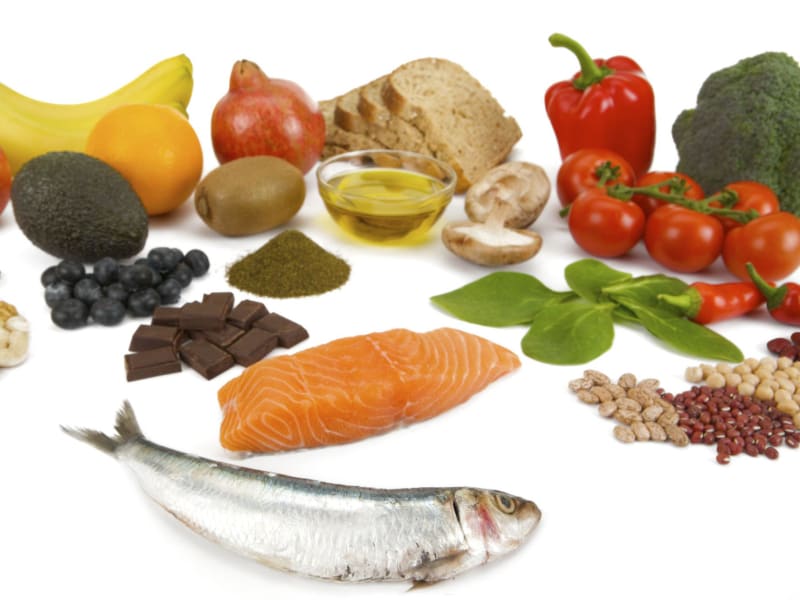
The superfood label is a marketing construct — but that doesn't mean all the foods wearing it are frauds. Some genuinely deserve the designation based on density of nutrients and breadth of evidence; others are expensive substitutes for far cheaper alternatives. Here's the honest breakdown.
April 14, 2026
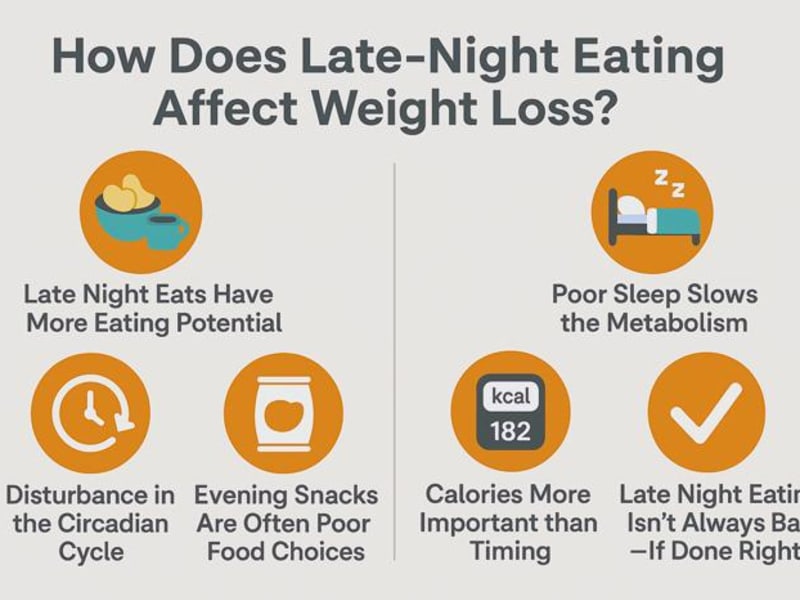
The belief that eating after 8pm automatically causes weight gain is pervasive — but the reality is more nuanced. Circadian biology, food choices, and total caloric intake all interact in ways that make the question far more interesting than a simple yes or no.
April 14, 2026