

Emergency & Help
24/7 Emergency & General Advisory
🚨 24/7 Medical Emergency
Non-Emergency Advisory
10:00 AM – 6:00 PM, Mon–Sat
For appointments & general queries.
24/7 Emergency & General Advisory
🚨 24/7 Medical Emergency
Non-Emergency Advisory
10:00 AM – 6:00 PM, Mon–Sat
For appointments & general queries.
Seed oils are under unprecedented scrutiny in both mainstream media and nutrition science. The debate touches on oxidation, omega-6 ratios, and chronic disease — and the evidence is more nuanced than either the defenders or the critics suggest.
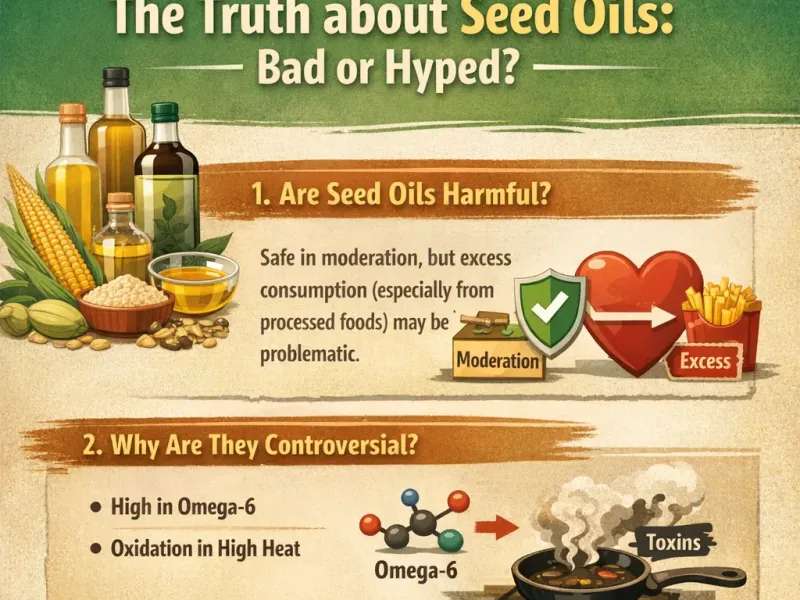
Seed oils have become one of the most debated topics in nutrition. Here's what the evidence actually says about whether they're harmful or safe to consume.
Very few issues of nutrition have sparked as much intense debate in the recent past as seed oils. On the one hand: scientists, nutritionists, and large health institutions that refer to decades of research results which prove that polyunsaturated fatty acids reduce the risk of cardiovascular diseases. On the contrary: an increasing number of clinicians, ancestral health proponents, and other researchers expressing their concerns regarding oxidation, omega-6 overload, and industrial processing. The reality of seed oils requires a more truthful, subtle examination of the facts.
The seed oils such as canola, sunflower, soybean, corn, cottonseed, safflower, and grapeseed oils are extracted by high heat, chemical solvents (hexane is mostly used), bleaching, and deodorization. The outcome is a highly refined, very shelf-stable oil, stripped off most of nature's antioxidants. The main fatty acid issue is based on the linoleic acid (LA), omega-6 polyunsaturated fat. Seed oils have radically changed the omega-6/ omega-3 ratio of Western diets- what was estimated in the past to have been 4:1 has now become 15:1 to 20:1. Such a balance is biologically relevant: omega-6 and omega-3s have the same enzymes (delta-5 and delta-6 desaturases) so the excessive level of omega-6 may inhibit the anti-inflammatory properties of the omega-3s.
Cardiovascular research: Meta-analyses of large studies, including a Cochrane review, indicate that substituting saturated fat with polyunsaturated fat of seed oils lowers cardiovascular events. Critics, however, point out that the studies tend not to differentiate between omega-3 and omega-6 PUFAs.
Oxidation at elevated temperature: When heated, seed oils are very vulnerable to oxidative degradation, resulting in the production of aldehydes such as 4-hydroxynonenal (4-HNE) and malondialdehyde -substances that are toxic to cells and linked to neurodegeneration and atherosclerosis. A 2015 study at De Montford University discovered alarming levels of aldehydes in food service repeatedly heated vegetable oils.
LINOLEIC acid and adipose tissue: Tucker and Demerath research indicates that the amount of LA present in body fat has increased significantly in the last 50 years. The metabolic effects of this are under study.
Observational confounders: The observational studies that support the use of seed oils do not adequately control other dietary measures. The populations with lower consumption of seed oil also tend to consume less ultra-processed foods in general.
The position that is most justifiable is not not to consume seed oils at all or to consume them in large amounts. Cold-pressed, not heated seed oils used sparingly in dressings are much less dangerous than the fryer oils repeatedly used by commercial fryers. Extra virgin olive and avocado oil offer better heat stability and already proven health values. The fact that seed oils exist is not the problem but rather their presence in ultra-processed foods and where they are used in high-heat cooking.
Seed oils are not poison or absolutely safe in any amount. The data indicates to moderate the moderation- especially in hot and refined ones. The best approach is to cook with extra virgin olive oil and avocado oil, reduce the consumption of ultra-processed foods (which is the primary source of seed oils in most diets), and make sure that the ratio is corrected with sufficient omega-3. This is a legitimate debate, however, the radical stands on each side are not.
1. Are seed oils harmful?
Not inherently—safe in moderation, but excess (especially from processed foods) may be problematic.
2. Why are they controversial?
Due to high omega-6 levels and harmful compounds formed during high-heat cooking.
3. How should you consume them?
Use sparingly, avoid high heat, and limit ultra-processed foods.
Author: Doctar team
Disclaimer- For more information connect with Doctor on Doctar.
Visit Hospital
Near You

Explore safe and effective skin glow treatment in Kolkata. Learn about popular procedures, benefits, costs, and skincare tips from experts.
May 20, 2026
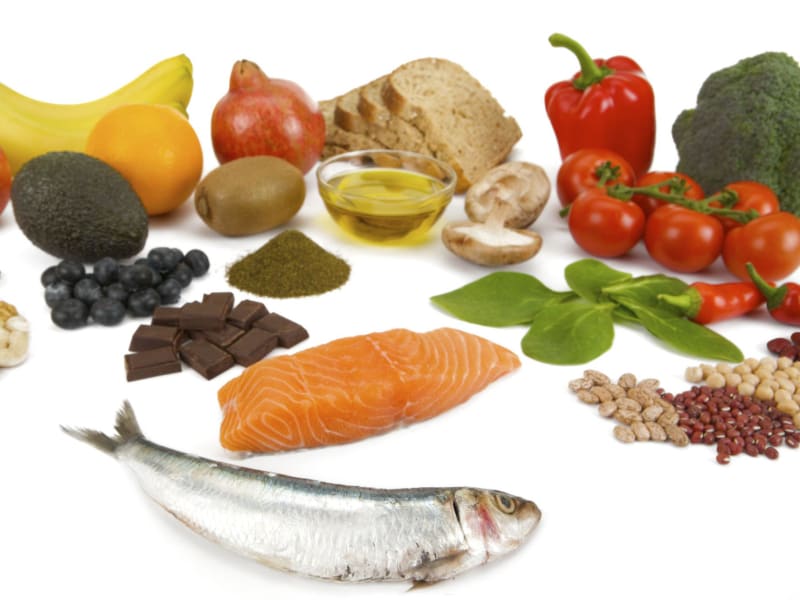
The superfood label is a marketing construct — but that doesn't mean all the foods wearing it are frauds. Some genuinely deserve the designation based on density of nutrients and breadth of evidence; others are expensive substitutes for far cheaper alternatives. Here's the honest breakdown.
April 14, 2026
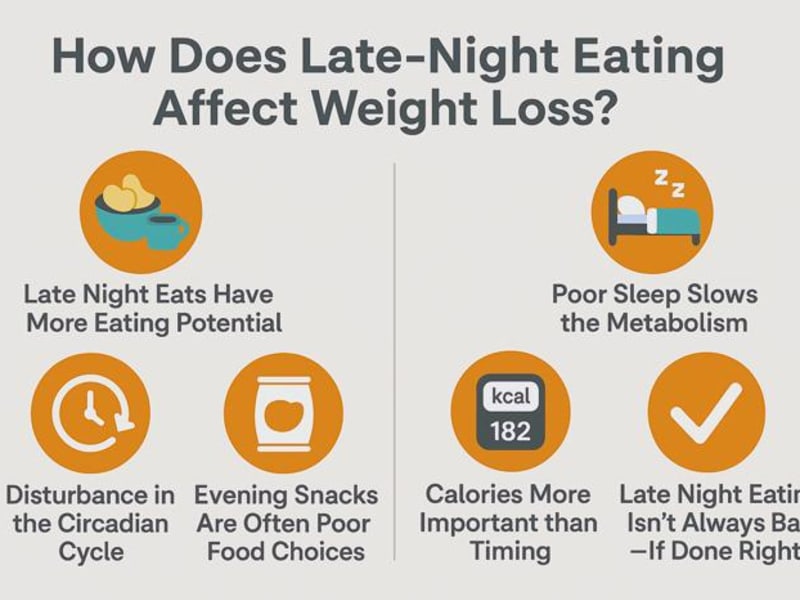
The belief that eating after 8pm automatically causes weight gain is pervasive — but the reality is more nuanced. Circadian biology, food choices, and total caloric intake all interact in ways that make the question far more interesting than a simple yes or no.
April 14, 2026