Air Pollution Health Effects: What The Air You Breathe Is Really Doing To You
Step outside on a hazy morning in any Indian city and you can usually smell it before you see it. That faint, metallic tang in the air isn't just unpleasant — it's a mix of gases and tiny particles that your lungs, heart, and blood vessels are absorbing with every breath.
Most people connect air pollution with coughing and watery eyes. That's true, but it's only the visible part of a much bigger problem.
It Starts In The Lungs, But It Doesn't Stay There
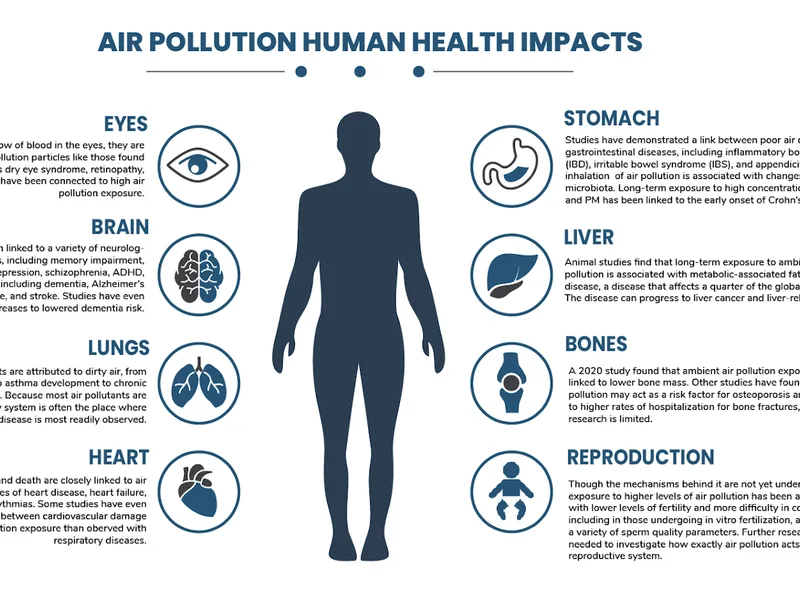
The particles doctors worry about most are called PM2.5 — bits of soot, dust, and chemical residue so small they slip past your nose's natural filters and settle deep inside the lungs. Once there, some of them are small enough to cross into the bloodstream.
That's the part people miss. Polluted air isn't just a respiratory issue; it's a whole-body issue.
In clinical practice, this is often missed because patients come in complaining of chest tightness or breathlessness, and the first assumption is asthma or a chest infection. Pollution as a trigger doesn't always get asked about, even though it can worsen existing conditions or bring on new symptoms in otherwise healthy people. If breathing feels harder on smoggy days, it's worth getting checked by a pulmonologist rather than waiting it out.
The Heart Takes A Hit Too
Here's something that surprises a lot of people: air pollution is linked to heart attacks and strokes, not just lung disease. Fine particles trigger inflammation in blood vessels, which can make blood more prone to clotting and push blood pressure up.
People with existing heart conditions are especially vulnerable on high-pollution days. If you already see a cardiologist for blood pressure or heart issues, pollution spikes are worth mentioning at your next visit — it may be part of why symptoms flare on certain days and not others.
Children Breathe Faster, So They Absorb More
Kids aren't just small adults when it comes to pollution exposure. They breathe faster relative to their body size, spend more time outdoors, and their lungs are still developing. Long-term exposure during childhood has been linked to reduced lung growth.
If your child has a persistent cough, wheezing, or seems unusually tired after playing outside, it's worth a visit to a pediatrician rather than assuming it's a passing cold. Early evaluation matters more than people realize.
Pregnancy And Polluted Air Don't Mix Well
Research has connected high pollution exposure during pregnancy with lower birth weight and preterm birth, though the exact mechanisms are still being studied. It's not a reason to panic, but it is a reason to be a little more careful — limiting outdoor exertion on very poor air quality days, for instance.
Expecting mothers with respiratory or blood pressure concerns should keep this on their radar and raise it with their gynecologist during routine visits.
Skin, Eyes, And The Parts People Forget
Pollution doesn't stop at the lungs. Fine particles and ozone can irritate the eyes, dry out skin, and worsen conditions like eczema. Redness, itching, and a gritty feeling in the eyes on smoggy days aren't just "dust" — they're a direct response to what's in the air.
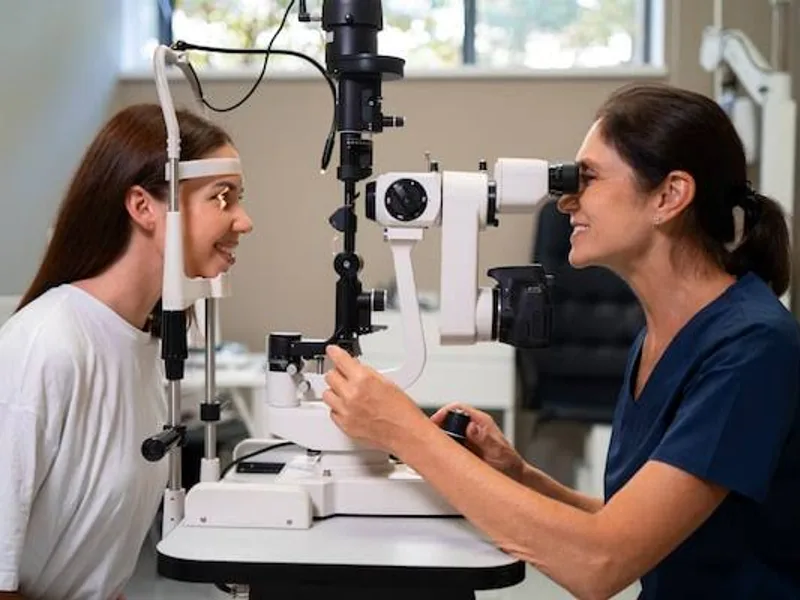
If irritation or breakouts seem to track with pollution levels, a dermatologist can help figure out whether it's genuinely pollution-related or something else. Regular eye check-ups are also worth keeping on schedule if you live somewhere with consistently poor air quality.
Who Else Should Pay Closer Attention
People with diabetes tend to have less resilient blood vessels, and there's growing interest in how pollution affects metabolic health — something worth discussing with an endocrinologist if you're managing diabetes or thyroid issues. There's also emerging (though still developing) research on gut inflammation and pollution exposure, which is a conversation worth having with a gastroenterologist if you notice unexplained digestive changes alongside respiratory symptoms.
Diet plays a supporting role too. A dietitian can suggest anti-inflammatory foods that may help the body cope better, though no diet cancels out the effects of breathing dirty air.
Practical Steps That Actually Help
None of this means locking yourself indoors forever. A few habits genuinely reduce exposure:
Check air quality index readings before outdoor exercise, and shift workouts indoors on bad days. N95 masks filter fine particles reasonably well, unlike basic cloth masks. Indoor plants help a little, but a proper air purifier does more of the heavy lifting in genuinely polluted areas. Keep windows shut during peak traffic hours if you're near a busy road.
For those managing chronic respiratory conditions, home nebulizer therapy or oxygen support sometimes becomes necessary — a nurse or home-visit doctor can help manage this without repeated hospital trips. A compounder visit for routine injections or checkups can also save an elderly or immobile family member the stress of travel on high-pollution days.
When To Actually See A Doctor
Mild irritation on a smoggy day is common and usually passes. But persistent breathlessness, chest pain, a cough lasting more than two weeks, or a child struggling to breathe are not things to wait out.
Start with a general physician if you're unsure which specialist you need — they can point you in the right direction. For anything urgent, don't hesitate to reach emergency services or call an ambulance rather than waiting to see if it passes. Nearby hospitals and diagnostic centers can run the tests needed to rule out anything serious, and a pharmacy nearby can help with respiratory relief medication in the meantime, including respiratory care products recommended by your doctor. If breathing issues linger after recovery, a physiotherapist can help rebuild lung capacity through guided breathing exercises.
You can search for doctors near you or browse listings across India if you're traveling through a high-pollution city. To understand more about how this kind of care network operates, you can read more about the platform, explore other health articles, or get in touch with questions.