Junior Doctors' Safety in Hospitals: What's Failing
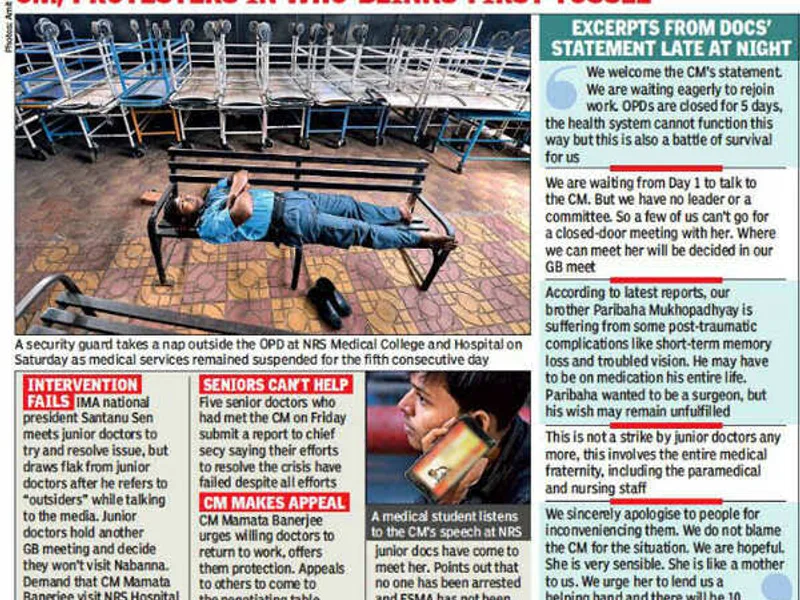
A junior doctor finishing a 30-hour shift once told me the scariest part of her night wasn't the patients. It was walking alone to the on-call room at 2 AM through a corridor with no working lights. That single detail says more about hospital safety than any policy document ever could.
Junior doctors' safety in hospitals has become a serious conversation in India and elsewhere, especially after several high-profile incidents of violence against resident doctors. But safety isn't just about assault. It's about fatigue, unsafe infrastructure, poor supervision at odd hours, and a culture that often expects young doctors to simply "manage." Anyone browsing hospitals near them or doctors by specialty rarely sees any of this — it's invisible to the patient, which is exactly why it stays unaddressed for so long.
Why This Problem Keeps Getting Ignored
Junior doctors sit at the bottom of the hospital hierarchy. They're the first point of contact in emergencies, the ones covering night shifts, and often the ones facing angry relatives when a patient's condition worsens. Yet they usually have the least protection and the least say in how their working conditions are set.
In clinical practice, this is often missed because senior staff assume junior doctors will "figure it out," the same way they did years ago. That assumption doesn't hold anymore — patient volumes are higher, tempers are shorter, and duty rooms haven't kept pace with either.
Hospitals that manage large volumes through platforms listing hospitals near patients or offering emergency services near me are under constant pressure to keep beds turning over. Junior doctors absorb a lot of that pressure directly, often without backup.
The Real Risks Junior Doctors Face
Violence and threats. Emergency departments and ICUs are where tempers run highest. A doctor explaining a poor prognosis to a frightened family is sometimes the one who gets blamed for it. This is a known pattern, not a rare exception, in busy emergency medicine units.
Fatigue-related risk. A doctor working back-to-back shifts makes more errors and reacts slower to threats around them, whether that's a confrontation in a ward or simply walking to a dark parking lot after midnight. Fatigue isn't a personal failing; it's a systems issue.
Unsafe infrastructure. Poorly lit corridors, on-call rooms without functioning locks, and a lack of CCTV in staff-only areas are more common than most hospitals admit publicly.
Weak reporting systems. Many junior doctors don't report harassment or minor assault because they fear it will affect their evaluation, or because nothing happened the last time someone did report it. Is it any wonder complaints go unfiled when the process itself feels pointless?
What Actually Helps — Based on What's Been Tried
Some hospitals have introduced duress alarms in duty rooms, CCTV coverage in corridors, and mandatory two-person response for aggressive situations in emergency and casualty areas. These aren't expensive fixes. They're basic infrastructure that should have existed already.
Security escort systems for night shifts help too, particularly for doctors covering home visit doctor duties or moving between wards alone late at night — the same "never travel alone" principle already applied to nurses doing home care and physiotherapists visiting patients off-site. A few hospitals now pair junior doctors with security staff during high-risk hours, similar to how ambulance crews responding through ambulance near me services always travel with a partner, and how surgeons never operate solo on complex cases.
Clear, anonymous reporting channels matter more than most administrators realise. If a junior doctor can flag an incident without it going straight to a senior who might dismiss it, reporting rates go up and so does trust in the system.
The Role of Senior Doctors and Hospital Administration
This isn't only a junior doctor problem. Senior consultants across specialities — from general physicians to cardiologists, endocrinologists, and gynecologists — set the tone for how residents are treated on the floor. Even doctors working in less openly discussed fields, such as sexologists fielding sensitive patient conversations, rely on juniors to handle the first, often tense, interaction. If seniors normalise verbal abuse from patients or families as "part of the job," juniors absorb that as the standard, and it becomes harder to push back later in their careers.
Hospital administrators, meanwhile, often measure success in patient throughput and bed occupancy. Staff safety rarely shows up on the same dashboard. That has to change if hospitals genuinely want to retain good doctors instead of watching them burn out and leave the profession, sometimes within the first two years of practice.
Patients and Families Have a Role Too
It's worth saying plainly: doctors are not the enemy when things go wrong. A junior doctor treating a child through a pediatrician consult, or handling a difficult delivery alongside a gynecologist, is usually doing their best under pressure most people never see. Aggression toward staff, even when driven by genuine fear or grief, puts patient care at risk too — a rattled doctor cannot think as clearly.
Hospitals that clearly communicate wait times, diagnoses, and next steps — whether through diagnostics reports explained properly or a general surgeon walking a family through a procedure — tend to see fewer confrontations. Communication genuinely reduces conflict.
Where Junior Doctors Can Get Support
If you're a junior doctor reading this and unsure where to start, a few practical steps help. Talk to your hospital's grievance cell if one exists. Document incidents even when they feel minor — patterns matter more than single events. And build a peer network; doctors who talk to each other about near-misses tend to spot danger earlier than those who stay silent.
For patients trying to find reliable care and reduce unnecessary friction with treating teams, using verified listings — whether searching doctors near you, dermatologists, pulmonologists, dietitians, or even ayurvedic practitioners — and understanding a provider's background in advance through platforms like Doctar can set more realistic expectations before an appointment even starts. Hospitals hiring junior doctors can also review how they present openings through pages like Careers, since transparent job listings that mention safety measures upfront tend to attract more serious applicants.
Readers who want to follow this issue further can check Doctar's health blog for related coverage, current health news, or reach out through Contact Us with questions or corrections. Doctar's approach to handling sensitive information is outlined in its privacy policy, relevant reading for anyone concerned about how their data or a doctor's professional details are handled online.