Mpox Case Updates: Where Things Stand in 2026
Mpox rarely makes front-page news anymore. That doesn't mean it disappeared — it just settled into a quieter, more complicated pattern that's honestly harder to explain in a headline.
As of mid-2026, the World Health Organization's most recent situation reports show sustained transmission in parts of Africa, occasional travel-linked cases turning up elsewhere, and — new this year — a recombinant strain that's got virologists paying closer attention. None of this means a repeat of the 2022 global outbreak. But it does mean the disease is still worth understanding, especially if you or someone in your family has unexplained skin lesions after travel.
The Global Picture Right Now
Between January 2025 and mid-May 2026, 31 countries across Africa reported roughly 48,000 confirmed mpox cases, with a case fatality rate around 0.5%. In just the six weeks before that report, eleven African countries logged nearly 1,000 new confirmed cases, with the Democratic Republic of the Congo, Madagascar, Guinea, South Sudan, and Kenya carrying the highest burden.
Outside Africa, the numbers are smaller but not zero. In April 2026 alone, 37 countries across every WHO region reported just over 1,000 confirmed cases combined, and most of those — about six in ten — were still concentrated in the African region. Countries including Germany, Switzerland, Spain, Portugal, Denmark, Pakistan, and Thailand have reported community transmission of a strain called clade Ib, and Mauritius recorded its first-ever clade Ib case this year.
In clinical practice, this is often the part that confuses people: mpox isn't one single disease anymore. There are different clades (essentially virus subtypes) circulating at once, and they don't all behave the same way in terms of severity or how easily they spread.
A New Recombinant Strain — Should You Worry?
In early 2026, WHO confirmed something genuinely new: a recombinant mpox virus carrying genetic material from two different clades, Ib and IIb. Recombination happens when two related viruses infect the same person at the same time and swap genetic pieces — it's a known process in virology, not a sign of the virus "mutating out of control."
Two cases of this recombinant strain have been identified so far — one in the United Kingdom, one in India. Both patients had recent travel history, neither developed severe illness, and contact tracing found no onward spread to anyone else. WHO's overall risk assessment for the general public has not changed because of this finding, though officials are asking labs worldwide to keep sequencing samples closely.
Worth being honest here: this is exactly the kind of finding that gets sensationalized online. The reality is far less dramatic — two mild, contained cases with no secondary transmission detected.
Mpox in India: A Realistic Look
India's case count has stayed low and stable. Since the 2022 global outbreak began, India has reported roughly 30 confirmed cases in total, with the last one recorded in March 2024 before this year's recombinant case came to light through retrospective genome reclassification. The Union Health Ministry has consistently assessed the chance of a large domestic outbreak as low, while still running airport and port screening and training general physicians at hospitals to recognize suspicious lesions early.
That measured, watchful approach — rather than alarm — reflects how India handled its first case back in 2022, when a man who had returned from the UAE was diagnosed in Kerala and contacts were traced quickly. The system has largely held since then.
Symptoms Doctors Actually Look For
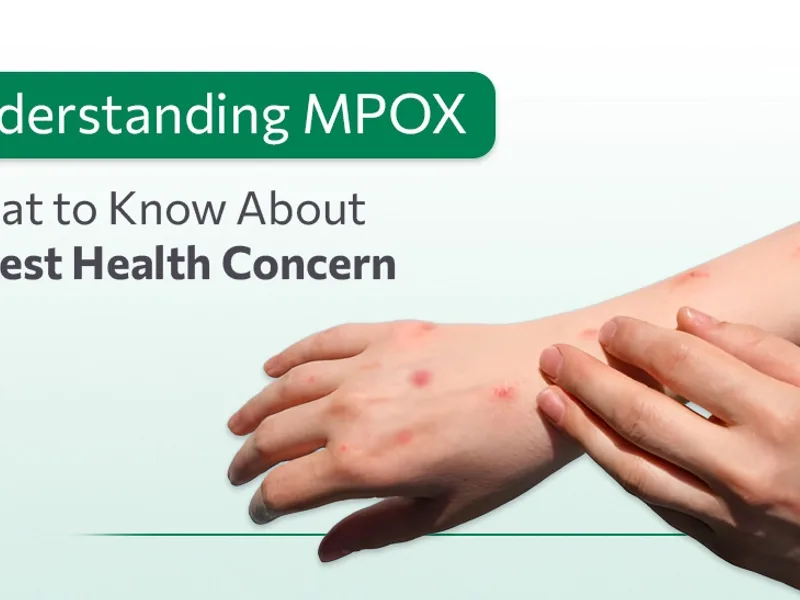
Mpox typically starts with fever, swollen lymph nodes, and body aches, followed a few days later by a rash that can look like pimples or blisters. The rash often begins on the face or genital area and spreads. Most people recover within two to four weeks without hospitalisation, though the illness can hit harder in children, pregnant women, and people with weakened immune systems.
One thing that trips up even experienced clinicians: the early rash can resemble chickenpox, herpes, or even a bad case of acne, which delays diagnosis if travel history isn't asked about directly. If you've traveled recently and notice an unusual, painful rash — especially with fever — it's worth getting seen rather than waiting it out. A dermatologist or a general physician can usually tell fairly quickly whether further testing is warranted, and mpox testing typically involves a simple swab of the lesion sent to a lab through diagnostic centres.
How It Spreads (And How It Doesn't)
Mpox spreads mainly through prolonged, close physical contact — skin-to-skin contact with lesions, contact with body fluids, or shared bedding and clothing from an infected person. It can also spread through sexual contact, which is why sexual health clinics have played a role in surveillance. It does not spread easily through brief, casual contact like sitting near someone on a train.
If you have concerns around sexual health exposure specifically, a sexologist or your regular doctor can guide you on testing and precautions without judgment.
What to Actually Do If You're Worried
Don't self-diagnose from photos on the internet — mpox rashes can look similar to several other skin conditions. Book a consultation with a doctor near you, mention any recent travel clearly, and let them decide if testing is needed. For families with young children, a pediatrician should be the first call if a child develops an unexplained rash with fever.
People who can't travel easily — say, an elderly parent or someone recovering from another illness — can arrange a home visit doctor instead of risking exposure in a crowded waiting room. If a case is confirmed and isolation is needed at home, a home visit nurse or compounder can help manage wound care and medication without repeated hospital trips. For anyone monitoring recovery, a physiotherapist can assist once the acute phase passes and mobility needs attention.
If symptoms turn severe — high fever that won't break, difficulty breathing, or extensive lesions — don't wait; contact emergency services or head to the nearest hospital directly. Medicines for symptom relief, if prescribed, can usually be ordered through a nearby pharmacy or online medicine delivery.
Availability of Doctors Across India
Because mpox surveillance depends on people actually getting checked rather than waiting it out, access matters. Whether you're in Delhi, Mumbai, Kolkata, Bangalore, Chennai, Jaipur, or anywhere else in the country, finding a verified doctor across India shouldn't require guesswork. If you'd rather browse surgical or specialist options for a related condition, or want to understand more about how these listings work, that information is available too — and if you have questions before booking, reaching out directly is usually the fastest way to get clarity. Readers can also check our other health explainers for related infectious disease updates, and anyone managing a chronic condition alongside travel risk should loop in their gynecologist or regular physician for tailored advice.