Our eyes are windows to the world, allowing us to experience the vibrant tapestry of life. Yet, in our fast-paced, screen-dominated existence, we often take our vision for granted. Maintaining optimal eye health is not just about clear sight; it's about preserving our independence, quality of life, and overall well-being. This comprehensive guide will delve into crucial aspects of eye care, from understanding common conditions to adopting preventive measures and lifestyle choices that can safeguard your precious vision for years to come.
Understanding Common Eye Conditions
Many people experience various eye conditions throughout their lives, some minor and easily corrected, others more serious and potentially sight-threatening. Being aware of these conditions is the first step towards timely diagnosis and treatment.
Refractive Errors
- Myopia (Nearsightedness): Distant objects appear blurry, while close objects are clear.
- Hyperopia (Farsightedness): Close objects appear blurry, while distant objects are clear.
- Astigmatism: Blurred vision at all distances due to an imperfectly curved cornea or lens.
- Presbyopia: Age-related loss of the eye's ability to focus on close objects, typically starting in the 40s.
These conditions are usually corrected with eyeglasses, contact lenses, or refractive surgery.
Age-Related Eye Diseases
- Cataracts: A clouding of the eye's natural lens, leading to blurry or hazy vision. They are very common among older adults and are treatable with surgery.
- Glaucoma: A group of diseases that damage the eye's optic nerve, often due to high pressure inside the eye. It can lead to irreversible vision loss if not detected and treated early.
- Age-related Macular Degeneration (AMD): A leading cause of vision loss among older people, affecting the macula, the central part of the retina responsible for sharp, detailed vision.
Other Significant Conditions
- Diabetic Retinopathy: A complication of diabetes that damages the blood vessels of the retina, potentially leading to vision loss. Regular eye exams are crucial for diabetics.
- Dry Eye Syndrome: Occurs when your eyes don't produce enough tears or when the tears evaporate too quickly, leading to discomfort, burning, and sometimes blurred vision.
- Conjunctivitis (Pink Eye): Inflammation of the conjunctiva, often caused by bacterial or viral infection, or allergies.
- Digital Eye Strain (Computer Vision Syndrome): A collection of eye and vision-related problems resulting from prolonged computer, tablet, or smartphone use. Symptoms include dry eyes, blurred vision, headaches, and neck pain.
Preventive Measures for Lifelong Eye Health
Prevention is key when it comes to maintaining excellent vision health. Incorporating these practices into your daily routine can significantly reduce your risk of developing serious eye conditions.
Regular Comprehensive Eye Exams
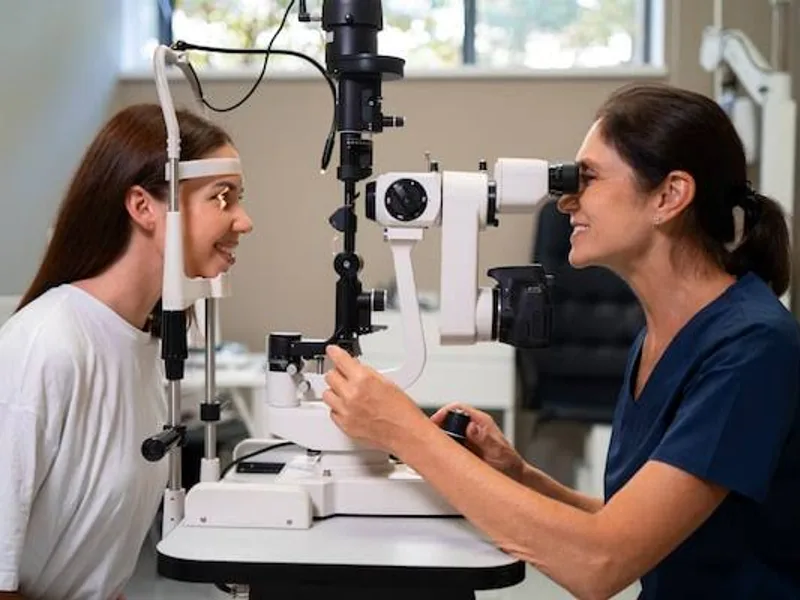
This is arguably the most critical preventive step. Even if you believe your vision is perfect, a comprehensive eye exam can detect hidden issues like early-stage glaucoma, cataracts, or diabetic retinopathy, which often show no symptoms in their initial stages. Adults should have an eye exam every one to two years, or more frequently if recommended by an eye care professional.
Protect Your Eyes from Harmful UV Rays
Exposure to the sun's ultraviolet (UV) radiation can contribute to the development of cataracts, macular degeneration, and other eye problems. Always wear sunglasses that block 99-100% of both UVA and UVB rays when outdoors, even on cloudy days. A wide-brimmed hat can provide additional protection.
Manage Screen Time and Practice the 20-20-20 Rule
In our digital age, reducing digital eye strain is paramount. Follow the 20-20-20 rule: Every 20 minutes, look away from your screen at an object 20 feet away for at least 20 seconds. This helps relax your eye muscles and reduces dryness. Also, ensure your screen is at arm's length, slightly below eye level, and adjust brightness and contrast for comfort.
Maintain a Healthy Diet
Your diet plays a significant role in eye health. Include foods rich in antioxidants, vitamins, and minerals. Key nutrients for eyes include:
- Omega-3 Fatty Acids: Found in fatty fish (salmon, tuna), flaxseeds, and walnuts, they are crucial for retinal health and preventing dry eyes.
- Vitamins C and E: Powerful antioxidants found in citrus fruits, berries, nuts, and leafy greens, which can help protect against cataracts and AMD.
- Lutein and Zeaxanthin: Carotenoids found in leafy green vegetables (spinach, kale), corn, and eggs. They act as natural sunglasses, protecting the macula from damaging blue light and UV rays.
- Zinc: Found in beans, nuts, and lean meats, zinc helps bring vitamin A from the liver to the retina to produce melanin, a protective pigment in the eyes.
- Vitamin A: Essential for good vision, particularly in low light. Found in carrots, sweet potatoes, and leafy greens.
Stay Hydrated
Drinking enough water is vital for overall health, including your eyes. Proper hydration helps maintain the production of tears, preventing dry eye syndrome.
Don't Smoke
Smoking significantly increases the risk of developing cataracts, AMD, and optic nerve damage. Quitting smoking is one of the best things you can do for your eye health, as well as your general health.
Wear Protective Eyewear
If you participate in sports, do DIY projects, or work in environments with potential eye hazards, always wear appropriate safety glasses or goggles. Eye injuries can lead to permanent vision loss.
When to See an Eye Care Professional
While regular check-ups are essential, certain symptoms warrant immediate attention:
- Sudden loss of vision in one or both eyes.
- Sudden onset of flashes of light, floaters, or a