Heart Attacks Are No Longer an "Old Age" Problem
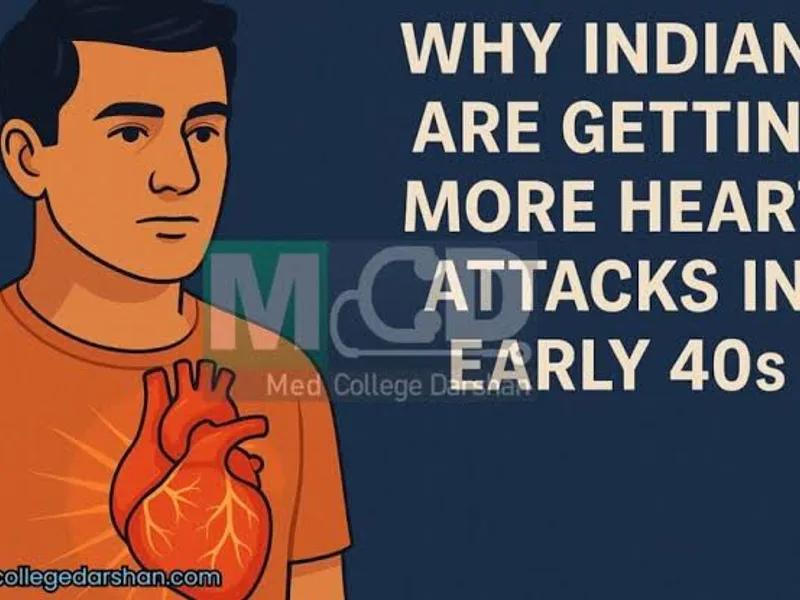
A 32-year-old techie collapses at his desk in Bengaluru. A 29-year-old new mother in Pune feels crushing chest pain during a gym session. These aren't rare, freak stories anymore — they're becoming the kind of headline Indians see every few weeks.
Cardiologists have been flagging this for years, but the pattern feels more urgent now. Heart attacks that once mostly affected people past 55 are increasingly showing up in people in their 30s and even late 20s. Whether this is a sharp national spike or simply better awareness and reporting is genuinely debated among researchers, so it's fair to say the picture isn't fully settled. What is clear is that risk factors are starting earlier in life for a lot of people.
Why This Is Happening in India Specifically
South Asians, including Indians, tend to develop heart disease at a younger age and with less warning than many Western populations, even at similar cholesterol or blood pressure levels. Genetics play some role here, but so does lifestyle — desk jobs, high-stress work culture, poor sleep, and diets heavy in refined carbs and fried food.
Add to that rising rates of diabetes and high blood pressure among people under 40, and you get a generation carrying adult-onset risk factors a decade or two earlier than their parents did. Smoking and vaping, even occasionally, compound this. Air pollution in major cities is also being studied as a contributing factor, though the exact weight it carries isn't fully mapped out yet.
The Warning Signs People Often Miss
In clinical practice, this is often missed because young patients — and sometimes their doctors — don't expect a heart attack, so early symptoms get written off as gas, muscle strain, or anxiety. That delay costs time, and with the heart, time is muscle.
Classic symptoms include:
Chest pain or pressure, often described as tightness rather than sharp pain
Pain spreading to the left arm, jaw, or back
Breaking out in a cold sweat for no clear reason
Sudden breathlessness, even at rest
Nausea or vomiting alongside chest discomfort
A quieter warning sign, especially common in women, is extreme fatigue or breathlessness without obvious chest pain. If something feels wrong and doesn't pass in a few minutes, that's reason enough to get checked, not talk yourself out of it.
Risk Factors That Matter More at a Younger Age
Family history carries real weight here. If a parent or sibling had a heart attack before 55 (60 for women), that raises personal risk meaningfully — this is something to mention clearly when consulting a cardiologist rather than leaving out.
Other contributors worth taking seriously:
Uncontrolled diabetes or prediabetes, best tracked with an endocrinologist
High blood pressure that goes unchecked because "I feel fine"
Chronic stress and poor sleep, particularly in high-pressure jobs
Sedentary routines with little to no physical activity
Obesity, especially abdominal fat
Anabolic steroid or unsupervised supplement use in gym culture
None of this means a healthy-looking young adult is immune. That's precisely the trap — feeling fit isn't the same as having a clean cardiovascular profile.
What to Actually Do in an Emergency
If someone shows signs of a heart attack, don't wait to see if it passes. Call an ambulance or head to the nearest hospital immediately — every minute matters for how much heart muscle survives. Chewing an aspirin is sometimes advised if there's no known allergy or bleeding risk, but this should never replace calling for emergency care, and dosing decisions belong to a doctor or emergency responder, not a search result.
If you're unsure who to contact locally, having a general physician or a home visit doctor on speed dial for non-emergency days — and knowing your nearest hospital in advance — genuinely saves confusion in a crisis.
Diagnosis and Treatment: What to Expect
Doctors typically start with an ECG, blood tests, and sometimes an echocardiogram through a diagnostic centre to confirm what's happening. Depending on severity, treatment can range from medication to procedures like angioplasty or, in more serious blockages, bypass surgery. None of these decisions should be made from an article — they need a cardiologist reviewing actual reports.
Recovery afterward often involves a pulmonologist if breathing complications arise, a physiotherapist for cardiac rehab, and a dietitian to rebuild eating habits without triggering another crisis. It's a team effort, not a one-visit fix.
Prevention Isn't Complicated, Just Consistent
Nobody wants another "eat clean, exercise more" lecture, and honestly, that advice gets repeated so often it stops meaning anything. What actually helps is specific: get blood pressure and sugar checked once a year after 25, especially with a family history. Walk daily, even 30 minutes. Sleep seven hours instead of scrolling till 1 AM. Cut down ultra-processed snacks, not because they're "bad" but because they quietly raise blood sugar and blood pressure over years.
If chest discomfort, unusual fatigue, or breathlessness show up and don't fit an obvious explanation, don't self-diagnose off a forum. Search for a doctor near you and get it looked at.