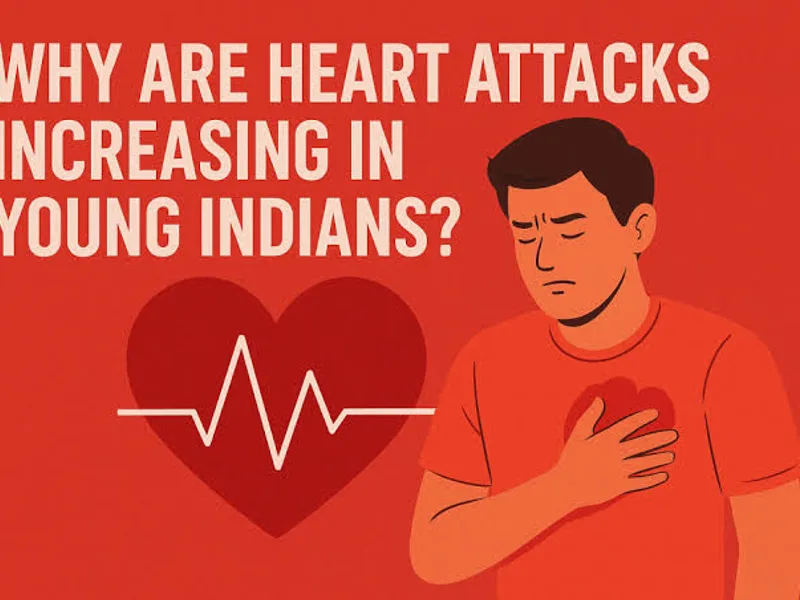
Heart Attacks Are No Longer Only an "Old Age" Problem
A 32-year-old at work develops crushing chest pain. A 29-year-old feels suddenly breathless and sweaty after exercise. These cases can sound unusual, but cardiologists have long recognised that coronary artery disease can affect younger Indians too.
It would be too strong to say that heart attacks are suddenly becoming common in every young Indian. The available evidence does not support such a simple conclusion. What is clear is that many of the risk factors for heart disease, including diabetes, high blood pressure, obesity and smoking, are appearing earlier in life.
That changes the conversation. A person in their 30s cannot assume chest pain is harmless simply because of their age.
Why Indians Can Develop Heart Disease Earlier
South Asians have a higher risk of cardiovascular disease than many other populations, and heart disease can occur at younger ages. Genetics contribute, but they are only part of the picture.
Modern routines can add to the risk. Long periods of sitting, little physical activity, chronic stress, smoking, poor sleep and diets high in refined carbohydrates, excess salt or unhealthy fats can all work against cardiovascular health.
Diabetes and high blood pressure are particularly important because they can remain silent for years. Someone may feel perfectly healthy while blood vessels are gradually being damaged.
Air pollution is another area of concern. Research has linked long-term exposure to air pollution with cardiovascular risk, although its exact contribution for an individual person is difficult to measure.
The Warning Signs Young People Often Miss
In clinical practice, this is often missed because young patients do not expect a heart attack, and sometimes neither does the first person they speak to. Chest discomfort may be blamed on acidity, anxiety, exercise or a pulled muscle.
Typical warning signs can include:
Pressure, squeezing or heaviness in the chest
Pain or discomfort spreading to the arm, shoulder, back, neck or jaw
Shortness of breath
Cold sweating
Nausea or vomiting
Sudden dizziness or unusual weakness
Not everyone experiences dramatic chest pain. Women, older adults and people with diabetes may sometimes have less typical symptoms, such as unusual fatigue, breathlessness or discomfort in another part of the upper body.
The key point is simple: a new, unexplained symptom that could indicate a heart attack should not be watched at home to see whether it disappears.
Risk Factors That Matter at a Younger Age
Family history deserves attention. Having a close relative who developed coronary artery disease at a young age can increase a person's risk, so tell your doctor about it rather than assuming it is irrelevant.
Smoking remains a major risk factor. Diabetes, high blood pressure, abnormal cholesterol, excess body weight and physical inactivity also matter.
Some younger adults underestimate the effect of sleep and long-term stress. Neither should be treated as the sole cause of a heart attack, but poor sleep, chronic stress and unhealthy routines can contribute to an overall cardiovascular risk profile.
Anabolic steroid use and some unregulated gym products can also affect the heart and blood vessels. Anyone using such substances should discuss them honestly with a healthcare professional.
What to Do During a Suspected Heart Attack
A suspected heart attack is an emergency. Do not wait for the pain to settle or drive around looking for a convenient clinic.
Call your local emergency medical service or get to the nearest emergency department as quickly and safely as possible. Emergency teams can begin assessment and treatment on the way or immediately after arrival.
Do not rely on an internet article to decide whether aspirin is appropriate. Aspirin may be used in some suspected heart attacks, but it is not safe for everyone, particularly people with certain allergies, bleeding problems or other medical conditions. Emergency professionals can guide you.
Time matters because a blocked coronary artery can deprive heart muscle of oxygen.
How Doctors Confirm a Heart Attack
The first assessment usually includes an ECG, which records the heart's electrical activity, along with blood tests that look for evidence of heart-muscle injury.
Doctors may also use echocardiography, coronary imaging or other tests depending on the situation. These decisions are made according to the patient's symptoms and initial findings.
Treatment depends on the type and severity of the blockage. Some patients need medicines, while others may require a procedure such as angioplasty and stent placement. In selected cases, coronary artery bypass surgery may be recommended.
This is not a situation where two patients with the same age automatically receive the same treatment.
Recovery Is More Than Just Leaving the Hospital
Getting through the heart attack is only one stage. Recovery may involve medicines, follow-up with a cardiologist, cardiac rehabilitation, dietary changes, physical activity and management of conditions such as diabetes, high blood pressure or high cholesterol.
Cardiac rehabilitation is structured care designed to help people recover safely and reduce future cardiovascular risk. It can include supervised exercise, education and support for healthier routines.
A physiotherapist or rehabilitation professional may be involved depending on the patient's needs. Other specialists, including a dietitian or endocrinologist, may become part of care when specific problems need attention.
Prevention Starts Before Symptoms Appear
There is no single lifestyle change that guarantees protection from a heart attack. Prevention is usually about controlling several risks at the same time.
Know your blood pressure, blood sugar and cholesterol status, particularly if you have a family history or other risk factors. Avoid tobacco, stay physically active, aim for a healthy body weight and build a diet around vegetables, fruits, whole grains, pulses and other minimally processed foods.
Sleep deserves a place on that list too. So does stress management, although neither should be sold as a substitute for treating medical conditions.
You also do not need to wait until middle age to discuss cardiovascular risk with a doctor. For a young adult with diabetes, hypertension, smoking exposure, strong family history or other concerns, earlier medical advice can make sense.
Don't Assume Chest Pain Is "Just Gas"
This is perhaps the most dangerous habit to break.
Acidity and muscle pain are common, but a heart attack can feel similar in some people. There is no reliable way to distinguish the causes from a search result or by waiting it out at home.
If chest pressure, unexplained breathlessness, sweating, nausea or pain spreading to the arm, jaw or back develops suddenly, treat it seriously and seek emergency medical care.