

Emergency & Help
24/7 Emergency & General Advisory
🚨 24/7 Medical Emergency
Non-Emergency Advisory
10:00 AM – 6:00 PM, Mon–Sat
For appointments & general queries.
24/7 Emergency & General Advisory
🚨 24/7 Medical Emergency
Non-Emergency Advisory
10:00 AM – 6:00 PM, Mon–Sat
For appointments & general queries.
Discover effective natural home remedies for breast pain. Learn about dietary changes, warm compresses, and more to manage discomfort. Consult a doctor for persistent pain.

Meena, 45, a homemaker from Jaipur, noticed a persistent tenderness in her chest area a few days before her period each month. This cyclical discomfort had become a regular, unwelcome visitor, impacting her daily routine and mood.
Like millions of Indian individuals, she sought easing, hoping for natural solutions that wouldn't involve complex treatments or medications. Does this sound familiar?
Chest discomfort, medically termed mastalgia, is a common concern affecting individuals of all ages. While often benign, it can cause significant distress.
Fortunately, a variety of natural home approaches, rooted in both traditional wisdom and modern understanding, can offer substantial easing. Here's the thing — understanding the causes is the first step towards effective management.
Chest discomfort can stem from various sources. Cyclical mastalgia is the most frequent type, closely linked to hormonal fluctuations during the menstrual cycle. This pain typically occurs in both areas of concern, often feeling like a dull ache, heaviness, or burning sensation.
It usually worsens in the two weeks leading up to menstruation and subsides once the period begins. Non-cyclical mastalgia, on the other hand, is not related to the menstrual cycle and can be felt as a sharp, stabbing, or burning pain, often localised to a specific area of one chest. Causes for this can include injury, infection (mastitis), certain medications, or even musculoskeletal issues in the chest wall.
This is where most patients struggle.
Fibrocystic breast changes are another typical culprit, characterised by lumpiness and discomfort, often exacerbated by hormonal shifts. It's important to remember that most lumps associated with fibrocystic changes are benign.
However, any new or concerning lump should always be evaluated by a healthcare professional. The World Health Organization (WHO) estimates that a notable percentage of individuals experience fibrocystic breast changes at some point in their lives.
What most people miss: the profound impact of diet on hormonal balance and inflammation. For individuals in India, traditional diets often incorporate ingredients known for their anti-inflammatory properties. Conversely, modern dietary habits can sometimes exacerbate pain.
Caffeine, found in coffee, tea, and chocolate, contains methylxanthines. Some studies suggest that reducing or eliminating these compounds can alleviate chest discomfort for a subset of individuals. While definitive proof linking methylxanthines directly to mastalgia is still debated, many individuals report improvement after cutting back.
The numbers don't lie.
Consider switching to herbal teas like chamomile or peppermint, especially during that time of the month. This simple switch can make a difference.
An imbalance in essential fatty acids, particularly a low intake of omega-3 and a high intake of omega-6, may contribute to chest inflammation and pain. Increasing your intake of omega-3 fatty acids found in fatty fish (like salmon and mackerel, though less prevalent in traditional Indian diets), flaxseeds, and walnuts can help restore this balance.
Conversely, reducing intake of processed foods, fried items, and certain vegetable oils high in omega-6 may also be beneficial. This dietary adjustment is particularly relevant during festive seasons when rich, fried foods are abundant.
Some research suggests that magnesium and Vitamin E may benefit reduce chest pain. Magnesium plays a role in numerous bodily functions, including muscle and nerve function, and may support regulate hormonal fluctuations. Foods rich in magnesium include leafy green vegetables (like spinach), whole grains, nuts, and seeds.
Vitamin E, an antioxidant, is found in nuts, seeds, and vegetable oils. While direct evidence for their efficacy in mastalgia is limited, ensuring adequate intake through a balanced diet is generally good for overall health.
This is where most sufferers struggle.
Beyond diet, several physical and topical applications can provide soothing easing from chest discomfort.
Applying a warm compress or taking a warm bath can relax the chest muscles and ease aching. The heat helps improve blood circulation, reducing inflammation and providing a comforting sensation. You can use a hot water bottle wrapped in a towel, a warm washcloth, or an electric heating pad on a low setting.
Ensure the temperature is comfortable and not too hot to avoid burns. Many individuals find this a simple yet impactful method, especially when dealing with dull, aching pain.
Conversely, cold compresses can be impactful for sharp, localised pain or inflammation. A cold pack wrapped in a thin cloth can numb the area and reduce swelling. Typically, apply for 15-20 minutes at a time. Alternating between warm and cold compresses can also be beneficial for some individuals.
Wearing a well-fitting, supportive bra is crucial, especially for individuals experiencing meaningful cyclical pain. A bra that offers good support can reduce movement and strain on the chest tissue, thereby alleviating discomfort. During exercise or periods of increased sensitivity, a sports bra provides even more support.
Ill-fitting bras, particularly those that are too tight or lack adequate support, can sometimes contribute to or worsen chest pain. This is especially crucial for individuals who engage in activities like floor sitting for extended periods, where posture and support are key.
That alone changes everything.
A gentle massage can assist boost circulation and relieve tension in the chest and surrounding muscles. Using a carrier oil like coconut or almond oil, gently massage the area in circular motions. Avoid deep or painful pressure.
If you have fibrocystic changes, be mindful of any lumps and avoid excessive pressure on those areas. Honestly, the simple act of self-care through massage can be incredibly therapeutic.
Certain herbs and supplements have been traditionally used or studied for their potential to manage chest pain.
Evening Primrose Oil is rich in gamma-linolenic acid (GLA), an omega-6 fatty acid that the body converts into substances that reduce inflammation. While studies on its effectiveness for mastalgia have yielded mixed results, many individuals report meaningful easing. It's often recommended for cyclical chest pain.
Doses typically range from 500 to 1000 mg per day. The Indian Journal of Pharmacology has published research exploring the effects of various plant-based compounds on inflammation.
Chasteberry is another herb often used to benefit regulate hormonal imbalances that can contribute to chest pain. It is believed to influence the pituitary gland, which in turn affects the production of progesterone and estrogen. This herb is particularly considered for cyclical mastalgia.
It's available in various forms, including tinctures and capsules. Institutions like the Central Council for Research in Ayurvedic Sciences (CCRAS) in India explore such traditional approaches.
Similar to Evening Primrose Oil, flaxseed is a good source of omega-3 fatty acids and lignans, which have anti-inflammatory properties and may assist balance hormones. Adding ground flaxseed to smoothies, yogurt, or oatmeal can be an easy way to incorporate it into your diet.
It sounds simple. It rarely is.
Research published in journals like The Lancet has explored the benefits of lignans for hormonal health.
Worth knowing: While these natural approaches can be very successful, it's crucial to discuss their use with a healthcare provider, especially if you are pregnant, breastfeeding, or taking other medications. Over 60% of individuals worldwide experience chest pain at some point in their lives, highlighting the need for accessible and safe easing options.
While home approaches offer comfort, it's essential to know when to consult a doctor. Persistent, severe, or worsening chest discomfort warrants medical attention. Any new, firm, or irregular lump in the chest area, changes in skin texture (like dimpling or redness), nipple discharge (especially if bloody), or pain accompanied by fever requires prompt evaluation.
These symptoms could indicate conditions like mastitis, abscess, or, in rare cases, cancer of the chest. Early detection is key, and regular self-examinations of the chest, coupled with clinical exams, are vital. The Indian Council of Medical Research (ICMR) emphasizes the importance of regular health check-ups.
So what does that mean for you? It means that while you can empower yourself with natural approaches for everyday discomfort, you must remain vigilant about your chest health.
The prevalence of benign chest conditions is high, but ruling out serious issues is paramount. A study published by the National Institute of Cancer Prevention and Research (NICPR) indicates the importance of early screening.
This is where most those affected struggle.
Remember, chest pain is a symptom, not a disease in itself. Understanding its origin allows for targeted and impactful easing.
By incorporating dietary changes, physical therapies, and potentially certain herbal supplements, many individuals find considerable improvement in their quality of life. The monsoon season in India, for instance, can sometimes bring about increased humidity and changes in lifestyle that might affect well-being, making these approaches even more relevant.
Always consult a qualified physician before making any medical decisions.
Visit Hospital
Near You
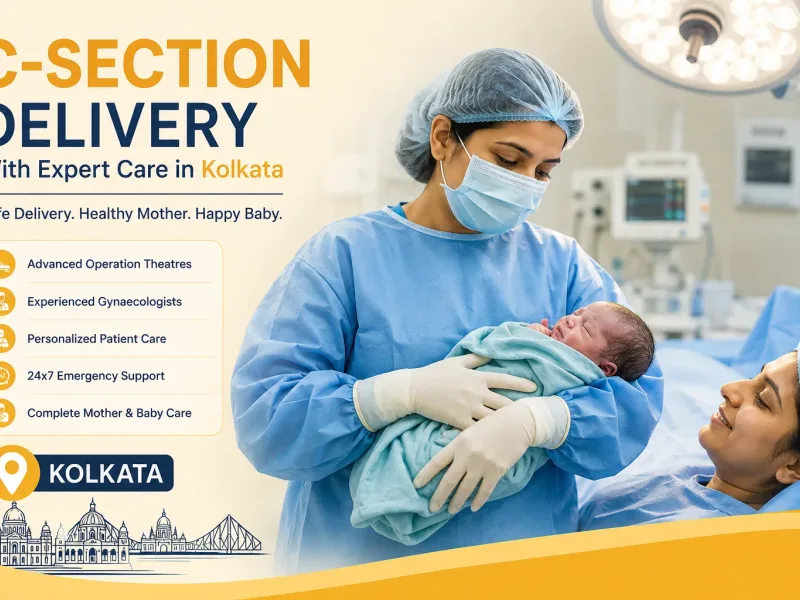
A cesarean section (C-section) is a surgical delivery in which a baby is born through an incision in the mother's abdomen and uterus. In Kolkata, several experienced obstetricians and well-equipped hospitals offer C-section services for planned and emergency deliveries. Understanding when a C-sectio
July 31, 2026
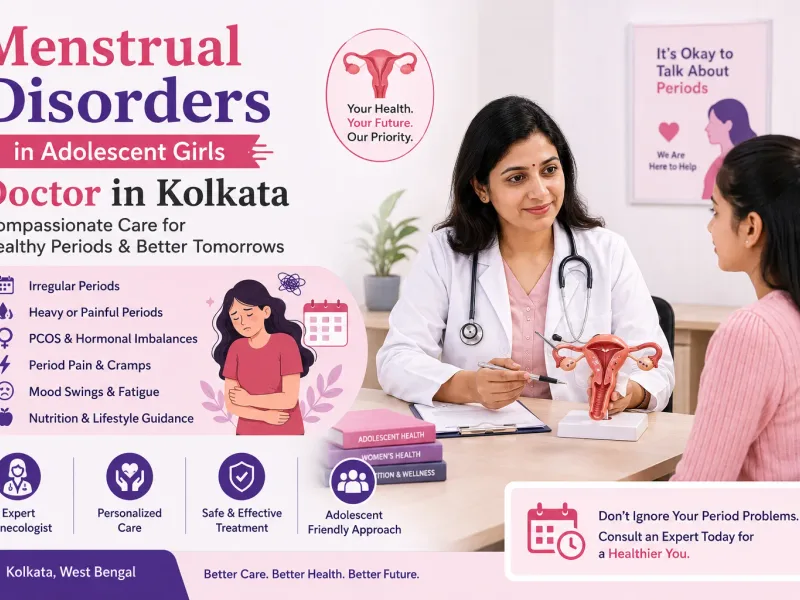
If you are searching for a Menstrual Disorders in Adolescent Girls Doctor in Kolkata, early evaluation by an experienced gynecologist can help identify the underlying cause of irregular or painful periods. While menstrual irregularities are common during the first few years after puberty, persistent
July 31, 2026
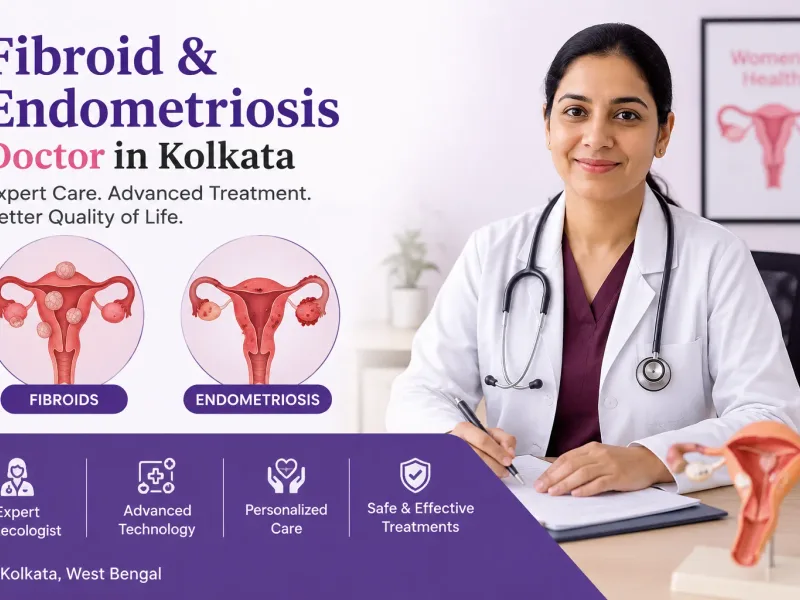
If you are searching for a Fibroid & Endometriosis doctor in Kolkata, choosing an experienced gynecologist with expertise in minimally invasive gynecological surgery is essential. Uterine fibroids and endometriosis are two common but different conditions that can cause pelvic pain, heavy menstrual b
July 31, 2026