

Emergency & Help
24/7 Emergency & General Advisory
🚨 24/7 Medical Emergency
Non-Emergency Advisory
10:00 AM – 6:00 PM, Mon–Sat
For appointments & general queries.
24/7 Emergency & General Advisory
🚨 24/7 Medical Emergency
Non-Emergency Advisory
10:00 AM – 6:00 PM, Mon–Sat
For appointments & general queries.
Discover the best PCOS diet strategies. Learn how specific foods and dietary changes can help manage PCOS symptoms effectively. Expert advice for Indian women.
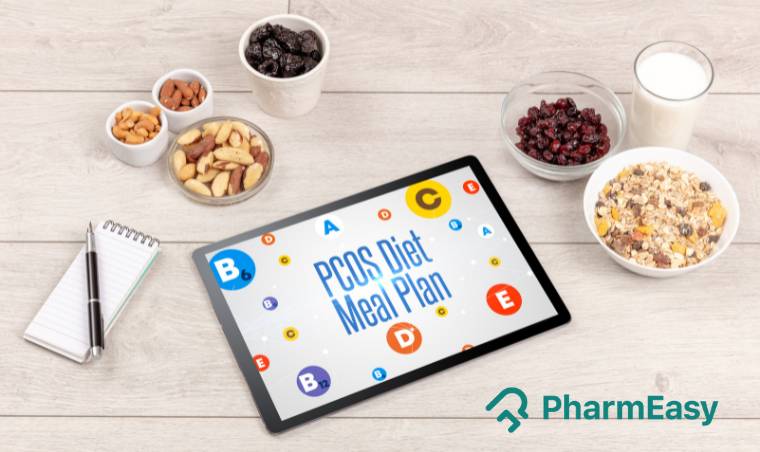
Meena, 45, a homemaker from Jaipur, noticed irregular periods for the past year, accompanied by stubborn acne and unexpected weight gain around her waist. Her doctor diagnosed her with Polycystic Ovary Syndrome (PCOS), a common endocrine disorder affecting many individuals of reproductive age. Like many individuals in India, Meena found herself overwhelmed by the diagnosis and the prospect of managing a chronic condition. Does this sound familiar? PCOS affects an estimated 10-15% of the population in India during their reproductive years, according to recent studies published in the Indian Journal of Endocrinology and Metabolism. This complex hormonal imbalance can lead to a cascade of symptoms, including irregular menstrual cycles, ovarian cysts, and elevated androgen levels, which manifest as acne, hirsutism (excess hair growth), and hair thinning. Beyond these visible signs, PCOS is strongly linked to insulin resistance, a situation where your body’s cells don’t respond well to insulin, leading to higher glucose levels in the circulation. In many cases, this insulin resistance is a key driver of many PCOS manifestations and significantly increases the risk of developing type 2 diabetes and cardiovascular disease. Over 101 million Indians have diabetes (ICMR, 2023), and individuals with PCOS are at a substantially higher danger.
Understanding the intricate connection between diet and PCOS is paramount. While there is no single 'cure,' a well-structured dietary approach can be a powerful tool in managing signs, improving metabolic health, and enhancing overall well-being.
Practically speaking, focusing on nutrient-dense, whole items can make a significant difference. The goal is to create an eating pattern that helps regulate glucose in the bloodstream, reduce bodily swelling, and support hormonal balance.
The cornerstone of a PCOS-friendly diet lies in managing insulin resistance and reducing bodily swelling. Insulin resistance is a hallmark of PCOS for many individuals, affecting up to 70% according to some estimates. When your body is insulin resistant, it produces more insulin to compensate.
This excess insulin can stimulate the ovaries to produce more androgens, further disrupting the delicate hormonal balance. Therefore, the primary aim of a PCOS diet is to stabilise glucose levels in the circulation, preventing sharp spikes and subsequent crashes.
This is where most patients struggle.
Bodily swelling also makes a real difference in PCOS. Chronic low-grade swelling can worsen insulin resistance and contribute to the development of other PCOS-related health issues.
Certain items can exacerbate swelling, while others possess anti-swelling properties. By making informed nutrient choices, you can actively combat this inflammatory process.
One of the most critical aspects of managing PCOS through diet is understanding the Glycemic Index (GI) and Glycemic Load (GL) of items. The GI ranks items based on how quickly they raise glucose levels in the circulation after consumption. High-GI items are rapidly digested and absorbed, leading to quick spikes in blood glucose and insulin.
Conversely, low-GI items are digested more slowly, causing a gentler, more sustained rise in blood sugar. The Glycemic Load (GL) takes this a step further by considering the portion size, giving a more accurate picture of an item's overall impact on blood glucose.
Choosing low-GI and low-GL items helps to keep insulin levels stable, which is vital for individuals with PCOS. Think of it like managing a delicate ecosystem; sudden surges can cause disruption. Eating a diet rich in whole grains, legumes, non-starchy vegetables, and fruits with lower GI values can significantly benefit PCOS management.
For instance, opting for whole wheat roti over white bread, brown rice over white rice, and incorporating plenty of lentils and beans into your meals can be highly effective. What should you actually do? Prioritise these complex carbohydrates that release energy slowly.
Here's where it gets interesting.
Bodily swelling is a silent contributor to many PCOS manifestations. Fatty fish rich in omega-3 fatty acids, such as salmon, mackerel, and sardines, are excellent choices. These healthy fats can aid reduce swelling throughout the body. Berries, particularly blueberries, strawberries, and raspberries, are packed with antioxidants that combat oxidative stress and swelling.
Leafy green vegetables like spinach, kale, and fenugreek leaves (methi), a staple in Indian cuisine, are loaded with vitamins, minerals, and antioxidants. Even incorporating a small bowl of methi sabzi regularly can be beneficial. Nuts and seeds, especially walnuts and flaxseeds, also provide anti-swelling omega-3s and fibre.
Turmeric, a spice widely used in Indian cooking, contains curcumin, a potent anti-swelling compound. Adding turmeric to your curries, dals, and even warm milk (haldi doodh) can contribute to reducing swelling. Green tea is another beverage known for its antioxidant and anti-swelling properties. Studies published in journals like The Lancet Diabetes & Endocrinology have highlighted the potential benefits of certain dietary patterns in managing PCOS, often emphasizing these anti-swelling components.
Structuring your meals around specific nutrient groups can simplify PCOS dietary management. The focus should be on whole, unprocessed items that provide sustained energy and essential nutrients.
Protein is crucial for satiety, helping you feel fuller for longer, which can aid in weight management. It also plays a role in glucose regulation by slowing down the absorption of carbohydrates. Include sources like chicken breast, fish, eggs, lentils, beans, and tofu in your meals.
For vegetarians, a combination of lentils, beans, and soy products ensures adequate protein intake. Remember, protein helps to blunt the glycemic impact of a meal.
Fats are not the enemy! Healthy fats are essential for hormone production and reducing swelling. Prioritise unsaturated fats found in avocados, nuts (almonds, walnuts), seeds (chia, flax, pumpkin), and olive oil.
Recovery is rarely linear.
These fats also contribute to satiety and can improve insulin sensitivity. Limit saturated fats found in red meat and full-fat dairy, and avoid trans fats found in processed items entirely.
As discussed, choosing the right carbohydrates is key. Opt for whole grains like oats, quinoa, barley, and brown rice. Legumes, including various dals, chickpeas, and kidney beans, are excellent sources of complex carbohydrates and fibre.
Non-starchy vegetables such as broccoli, cauliflower, bell peppers, tomatoes, and leafy greens should form the bulk of your vegetable intake. Fruits are also important, but choose lower-GI options like berries, apples, and pears, and consume them in moderation, ideally paired with a source of protein or fat to slow glucose absorption.
Fibre is a superstar nutrient for PCOS. It aids digestion, helps regulate glucose levels in the circulation, promotes satiety, and can contribute to lowering cholesterol. Aim for at least 25-30 grams of fibre per day.
This can be achieved by incorporating plenty of vegetables, fruits, whole grains, and legumes into your diet. Eating floor-seated meals, widespread in many Indian households, can sometimes encourage slower eating, which aids digestion and satiety.
The numbers don't lie.
Certain items can exacerbate PCOS signs by promoting swelling and insulin resistance. Reducing or eliminating these from your diet can yield considerable benefits.
White bread, white rice, pastries, sugary cereals, candies, and sweetened beverages cause rapid glucose spikes. These should be avoided as much as possible. Even seemingly healthy options like fruit juices can be high in sugar and lack the fibre of whole fruit.
During festivals like Diwali, the abundance of sweets and fried snacks can be particularly challenging for individuals managing PCOS. Mindful choices are crucial during these times.
Highly processed items, including fast food, packaged snacks, processed meats, and ready-to-eat meals, are often high in unhealthy fats, sugar, sodium, and artificial ingredients. These contribute to swelling and can negatively impact metabolic health.
Practically speaking, reading ingredient labels carefully can enable you identify and avoid these hidden culprits.
Trans fats, often found in baked goods, fried foods, and margarine, are particularly detrimental. Limit saturated fats as well. The World Health Organization (WHO) recommends limiting saturated fat intake and eliminating trans fats.
Adequate hydration is often overlooked but is fundamental for overall health and can support PCOS management. Water helps with digestion, nutrient absorption, and can even assist in appetite control.
Aim for at least 8-10 glasses of water daily. Herbal teas, like peppermint or spearmint tea, have also been studied for their potential benefits in reducing androgen levels in individuals with PCOS.
Beyond diet, lifestyle modifications are equally key. Regular physical activity is crucial for improving insulin sensitivity and managing weight. Aim for a combination of aerobic exercise and strength training.
That alone changes everything.
Stress management techniques, such as yoga or meditation, can also positively impact hormonal balance. Honestly, a holistic approach combining diet, exercise, stress management, and adequate sleep is the most impactful strategy for managing PCOS.
Here’s a glimpse of what a day of PCOS-friendly eating might look like, keeping Indian culinary preferences in mind:
This is just a sample, and individual needs may vary. Adapting these principles to your personal preferences and cultural dietary habits is key to long-term success. Worth knowing: Consulting a registered dietitian or nutritionist, especially one familiar with PCOS and Indian diets, can provide personalised guidance.
Always consult a qualified physician before making any medical decisions.
Visit Hospital
Near You

A cesarean section (C-section) is a surgical delivery in which a baby is born through an incision in the mother's abdomen and uterus. In Kolkata, several experienced obstetricians and well-equipped hospitals offer C-section services for planned and emergency deliveries. Understanding when a C-sectio
July 31, 2026
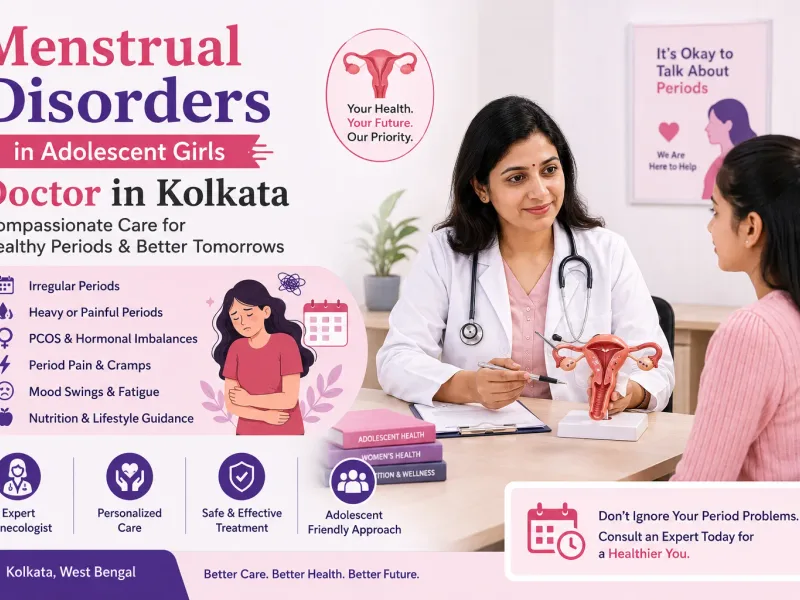
If you are searching for a Menstrual Disorders in Adolescent Girls Doctor in Kolkata, early evaluation by an experienced gynecologist can help identify the underlying cause of irregular or painful periods. While menstrual irregularities are common during the first few years after puberty, persistent
July 31, 2026
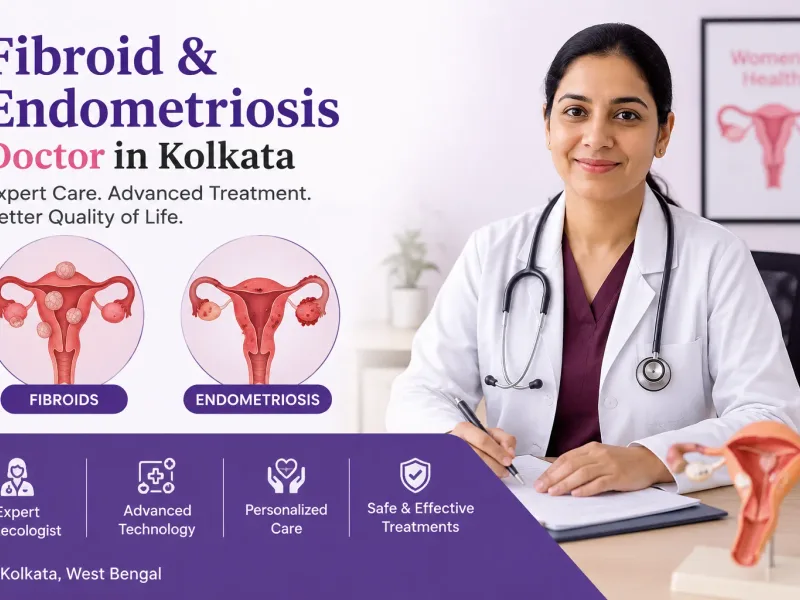
If you are searching for a Fibroid & Endometriosis doctor in Kolkata, choosing an experienced gynecologist with expertise in minimally invasive gynecological surgery is essential. Uterine fibroids and endometriosis are two common but different conditions that can cause pelvic pain, heavy menstrual b
July 31, 2026