

Emergency & Help
24/7 Emergency & General Advisory
🚨 24/7 Medical Emergency
Non-Emergency Advisory
10:00 AM – 6:00 PM, Mon–Sat
For appointments & general queries.
24/7 Emergency & General Advisory
🚨 24/7 Medical Emergency
Non-Emergency Advisory
10:00 AM – 6:00 PM, Mon–Sat
For appointments & general queries.
Discover 10 critical symptoms women should never ignore, from unusual breast changes to persistent fatigue. Learn why early detection is key for your well-being.

As women, we often juggle multiple responsibilities, from family to career, and sometimes, we put our own health on the back burner. But our bodies have a way of telling us when something isn't right. Paying attention to these signals is not about being overly anxious; it's about being proactive and ensuring our well-being. This guide highlights 10 critical symptoms that women should never ignore, as they could signal serious underlying health issues. Early detection can make a world of difference in treatment outcomes and overall health.
Our bodies are complex systems, and they communicate with us through various signals. While some discomforts are minor and temporary, others are warning signs that demand attention. For many women, especially those managing busy lives, recognizing these symptoms can be challenging. We might dismiss them as stress, fatigue, or something that will just go away. However, ignoring persistent or unusual changes can delay necessary medical care, potentially allowing a condition to worsen.
Think about it: a close friend, Priya, recently mentioned persistent bloating that she initially attributed to eating out too much. It lasted for weeks, and only when her husband insisted did she see a doctor. It turned out to be an early sign of ovarian cancer, and thanks to her timely visit, treatment was started promptly. Priya’s story is a powerful reminder that our health deserves our immediate attention.
Your breasts can change throughout your menstrual cycle and during pregnancy. These are normal occurrences. However, you should seek medical advice if you notice any new, unusual swelling, lumps, skin dimpling, redness, or nipple discharge that isn't related to pregnancy or breastfeeding. While many breast changes are benign, rapid swelling, skin discoloration (like red or purple spots), or a thickening of the skin could be signs of inflammatory breast cancer, a rare but aggressive form of breast cancer. Breast infections can also cause similar symptoms. It's essential to consult your doctor or gynecologist for any persistent or concerning breast changes.
A little bloating before your period or after a large meal is common for many women. However, if you experience abdominal bloating that lasts for more than a week or two, especially if it's accompanied by other symptoms like pelvic pain, a feeling of fullness, or changes in bowel or bladder habits, it's time to see a doctor. Persistent bloating can sometimes be an early indicator of ovarian cancer, which often presents with subtle symptoms in its initial stages. Early diagnosis significantly improves the chances of successful treatment.
Your stool color can be influenced by what you eat and certain medications. For instance, iron supplements or some diarrhea medications can make your stool appear black. However, if you notice black, tarry stools, it could indicate bleeding in your upper gastrointestinal tract. Maroon-colored or bloody stools may suggest bleeding lower down in your digestive system. Both scenarios warrant a medical evaluation to identify the source of bleeding and ensure appropriate treatment.
Feeling breathless after climbing a few flights of stairs or a brisk walk is usually normal. But if you find yourself gasping for air after minimal exertion, or if shortness of breath occurs suddenly and without a clear reason, it could be a sign of a more serious underlying issue. This symptom might indicate problems with your heart or lungs, such as coronary ischemia (reduced blood flow to the heart muscle). If you experience this, speak with your doctor promptly. If shortness of breath is severe and accompanied by chest pain, dizziness, or rapid pulse, seek emergency medical care immediately.
We all feel tired sometimes, especially after a poor night's sleep or a demanding day. However, if you're experiencing overwhelming, constant fatigue that doesn't improve with rest, it could be a sign of an underlying medical condition. Chronic fatigue can be linked to various issues, including anemia, thyroid problems, diabetes, heart disease, or even depression. Don't dismiss persistent exhaustion; it's your body's way of signaling that something needs attention. A doctor can help identify the cause and recommend the right course of action.
Losing a few pounds because you've changed your diet or started exercising is generally a positive outcome. But if you're losing weight without trying – perhaps 5% or more of your body weight in six months – it's a cause for concern. Unexplained weight loss can be a symptom of various conditions, including hyperthyroidism, diabetes, digestive disorders like celiac disease, or even cancer. If you've noticed a significant drop in weight without making any lifestyle changes, consult your doctor for an assessment.
The appearance of new, coarse hair on the face, chest, or back in women can be concerning. This symptom, known as hirsutism, is often caused by an excess of androgens, or male hormones. A common underlying condition associated with this is Polycystic Ovary Syndrome (PCOS), a hormonal disorder that affects many women of reproductive age. PCOS can also cause irregular periods, acne, and weight gain. If you notice new, unwanted hair growth, discuss it with your doctor or gynecologist.
Occasional indigestion or an upset stomach is usually not a cause for alarm. However, if you're experiencing persistent stomach issues like chronic diarrhea, constipation, abdominal pain, or bloating that don't resolve, it could be a sign of Irritable Bowel Syndrome (IBS). IBS is a common disorder affecting the large intestine, and its symptoms can significantly impact your quality of life. Women are more likely to develop IBS than men. If you suspect you have IBS, seek medical advice for diagnosis and management strategies.
While menstrual cycles can vary, significant changes in your period warrant attention. This includes bleeding much heavier than usual (soaking through pads or tampons every hour), periods lasting longer than seven days, or bleeding between periods. These symptoms can be indicative of conditions such as uterine fibroids, endometriosis, polyps, or hormonal imbalances. Don't hesitate to discuss your menstrual health with your gynecologist. Managing these issues can improve your comfort and overall health.
Pain during sexual activity, known as dyspareunia, is not something you should just live with. It can have various causes, ranging from infections and hormonal changes (like during menopause) to structural issues in the reproductive organs or psychological factors. Persistent pain can affect your relationships and emotional well-being. It’s important to talk to your doctor or gynecologist to identify the cause and find effective solutions.
While this list covers important symptoms, some situations require immediate medical attention. Go to the nearest emergency room if you experience:
These could be signs of a life-threatening condition like a heart attack, stroke, or severe hemorrhage.
Stress can definitely exacerbate or mimic some of these symptoms, particularly fatigue, digestive issues, and even changes in menstrual cycles. However, it's crucial not to assume stress is the sole cause without a proper medical evaluation. Ruling out physical conditions first is always recommended.
The frequency of check-ups can vary based on your age, health history, and risk factors. Generally, a yearly physical is recommended for most adults. Your doctor can advise you on the best schedule for your individual needs.
Heavy bleeding typically means you need to change your pad or tampon every hour or two, pass blood clots the size of a quarter or larger, or bleed for more than seven days. If this sounds like your period, consult your gynecologist.
Yes, PCOS is a chronic condition, but its symptoms can often be managed effectively through lifestyle changes (diet, exercise), medication, and regular medical supervision. Working closely with your doctor is key to managing PCOS.
Remember, your health is your most valuable asset. Don't hesitate to seek professional medical advice when you notice any changes in your body. Early detection and prompt treatment lead to better health outcomes.
Visit Hospital
Near You

A cesarean section (C-section) is a surgical delivery in which a baby is born through an incision in the mother's abdomen and uterus. In Kolkata, several experienced obstetricians and well-equipped hospitals offer C-section services for planned and emergency deliveries. Understanding when a C-sectio
July 31, 2026
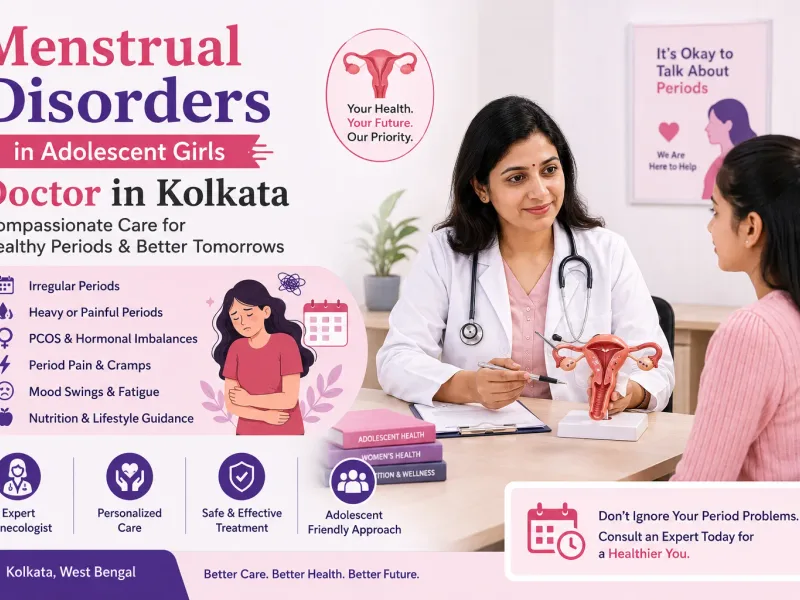
If you are searching for a Menstrual Disorders in Adolescent Girls Doctor in Kolkata, early evaluation by an experienced gynecologist can help identify the underlying cause of irregular or painful periods. While menstrual irregularities are common during the first few years after puberty, persistent
July 31, 2026
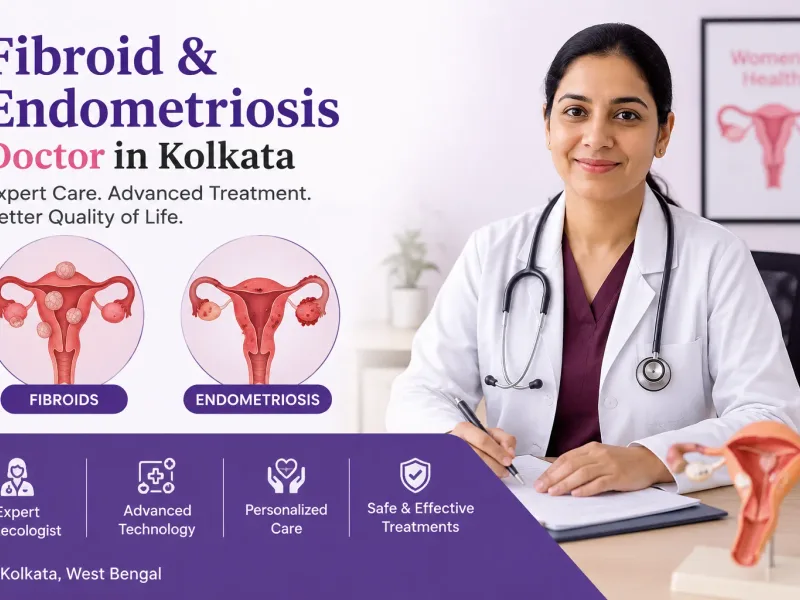
If you are searching for a Fibroid & Endometriosis doctor in Kolkata, choosing an experienced gynecologist with expertise in minimally invasive gynecological surgery is essential. Uterine fibroids and endometriosis are two common but different conditions that can cause pelvic pain, heavy menstrual b
July 31, 2026